

When I speak with government leaders, they often ask me about their biggest struggle. It is not budget cuts or political shifts. It is the challenge of finding and keeping good people while working with old, slow systems.
Public sector HR works at the intersection of tough demands: they must serve the community, manage tight tax-funded budgets, and try to find workers in a competitive labor market. The stakes are very high, as the work HR supports ranges from public safety to social service delivery.
For a long time, HR’s job was mostly paperwork and policy rules. Now, HR challenge must change to become a strategic partner that helps drive efficiency and makes the government strong. In my experience, especially working with technical systems, I have found that HR’s biggest obstacle is often the technology it uses and the outdated rules it must follow.
This article explores the seven most critical challenges facing government HR leaders today. We will look at integrating new technology with deep structural and political solutions to truly fix these problems.
The Talent Crisis: Recruitment, Retention, and the Compensation Gap

Competing for Talent in a Low-Pay, High-Demand Environment
The public sector consistently struggles to compete with private companies. This is because government jobs generally offer lower salaries and compensation. Today’s top job candidates, especially younger generations like Millennials and Gen Z, expect flexibility and clear career paths.
The financial difference is significant. For instance, federal workers with advanced degrees might earn up to 24% less than their peers in the private sector. This makes recruitment very hard, especially for highly skilled roles like IT security or data analysis.
The Reality Check: Most vendors will tell you to simply raise pay, but the reality is more nuanced. Public sector budgets are fixed and tax-funded, making large salary increases nearly impossible.
The Solution: HR must leverage the unique public mission. The government offers the chance to make a real, tangible difference in communities, and this mission attracts purpose-driven talent. Key strategies include offering flexible working arrangements, investing heavily in learning and development, and promoting the stability and pension benefits unique to the sector.
Overcoming Bureaucracy and Structural Rigidity
Lengthy, bureaucratic hiring processes often cause the public sector to lose top candidates to faster private firms. However, the real core challenge lies in the structural rigidity of civil service systems themselves.
Deep Dive: HR faces immense difficulty when trying to fundamentally modernize these foundational systems. They must navigate complex political and regulatory mechanisms that prevent rapid change. These include merit protection boards and legislative constraints. The ability of HR to make quick changes is severely limited by these established rules.
I have seen businesses make this mistake repeatedly. They focus on automating the symptoms, not curing the core disease. The disease here is the operational challenge of updating outdated, rigid job classifications. These old rules do not match the highly specialised skills needed today, such as data analytics, and changes are often stalled because job codes and budgets are strictly defined by law.
The Practical Test: To start with this simple audit, HR must first use workflow automation to make the application process easier and accelerate the time it takes to hire. At the same time, HR executives must strategically push for small, incremental updates to job descriptions and classification standards. This creates clearer promotion paths for current and future employees.
Managing Disruption and Complexity
Succession Planning and the Aging Workforce Crisis
The public sector is facing a huge demographic shift. It must manage an accelerated skills gap and the impending loss of vast institutional knowledge as many workers near retirement. In some federal departments, up to 80% of staff are over 45 years old. Meanwhile, only 17% of the federal workforce is under 35 years old.
The Industry Insight: The trend I am watching closely is how this challenge is made worse by the high turnover rate among politically appointed executives and department heads. This constant change threatens the strategic momentum of large projects, especially multi-year Human Capital Management (HCM) overhauls. HR is left trying to build long-term systems while department leadership changes every few years.
The Solution: HR must implement advanced HCM systems for predictive succession planning. This technology helps create pipelines of skilled workers to replace those retiring. We must also use cloud platforms to quickly and consistently train new staff, whether they are career employees or appointed leaders. This protects the crucial transfer of knowledge across generations.
The Legacy System Headache and Decentralised Infrastructure

Working across manufacturing, healthcare, and corporate sectors has taught me that outdated systems kill efficiency. In government, many organisations rely on old, siloed legacy systems. These systems often require manual data entry, which slows down work and makes it nearly impossible to make smart decisions based on good information.
There is also a major difference in technology and training between large central agencies and smaller, local, or remote field offices. In my experience, these small offices often rely entirely on manual paper processes, creating huge inefficiency and data risks.
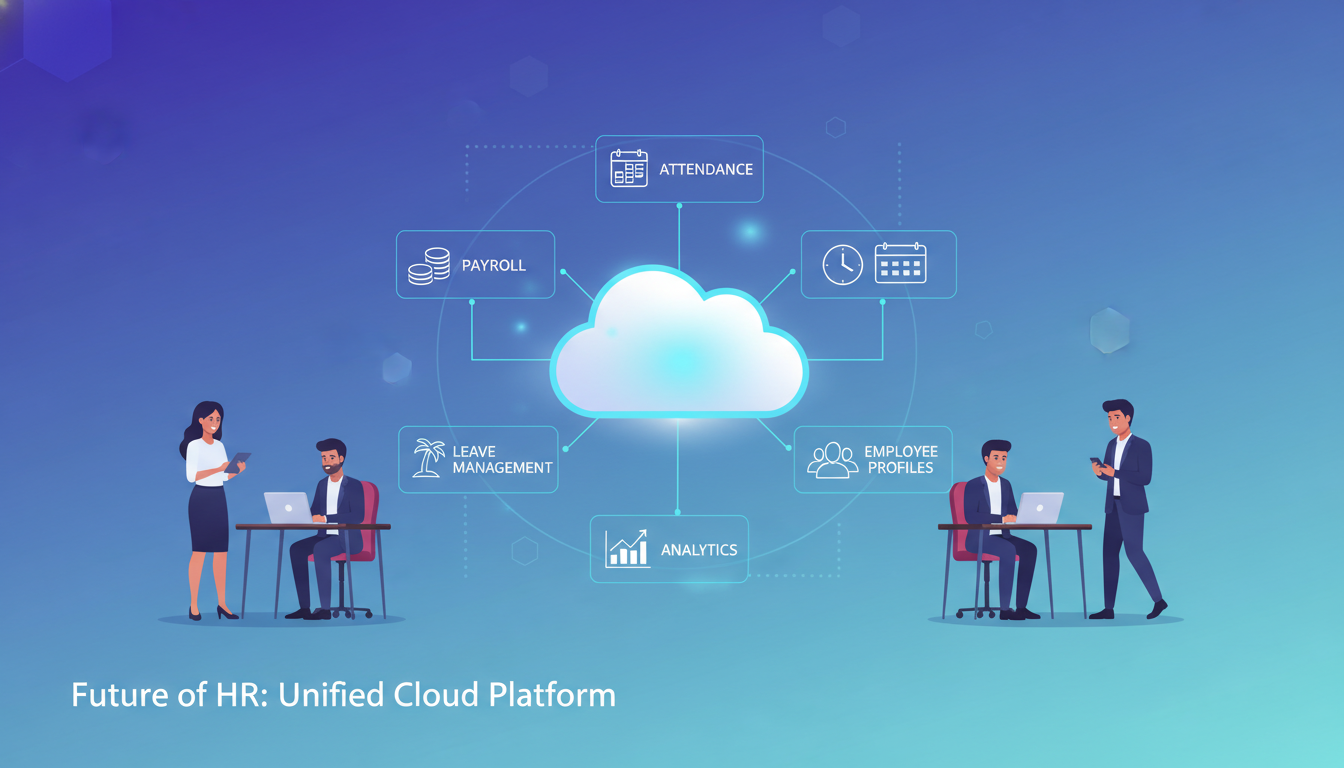
The Solution: The path forward requires investing in integrated, cloud-based HR solutions. These HCM or Enterprise Resource Planning (ERP) systems unify HR, payroll, and case management functions. HR must demand user-friendly, consumer-grade technology that is accessible via mobile apps. This ensures efficiency and usability across all levels of government, including remote locations where staff might not have the best desktop infrastructure.
Navigating Union Dynamics and High-Scrutiny Budgeting
HR teams must manage essential services with tight, tax-funded budgets. In government, spending items often become “political fodder”. This intense public scrutiny limits HR’s flexibility.
A detailed challenge is the difficulty of collective bargaining under severe financial constraints. Employee expectations for compensation often clash directly with the strict budget realities mandated by law.
Furthermore, HR must navigate rigorous grievance and disciplinary processes dictated by union contracts. These detailed rules complicate performance management and make it incredibly difficult to fire low-performing employees. This frustrates highly engaged workers and hurts overall performance.
The Solution: Leverage technology to automate routine tasks, such as payroll and time approvals, to find efficiencies. This frees up staff for strategic work. Also, HR must use robust case management systems for consistent and fair handling of complex employee relations and compliance matters. This ensures that every disciplinary step is documented and defensible.
Engagement, Wellbeing, and the RTO-Hybrid Battle

The dedication required for public service can lead to low morale, burnout, and disengagement, especially due to high workloads and constant public scrutiny. HR must also manage the long-term shift to remote and hybrid work models. This remains a contentious issue between leadership, which often demands a full return to the office, and employees, who value flexibility.
In my experience at Inovace Technologies, I have seen that businesses that support work-life balance have better retention.
The Solution: HR must prioritise complete wellbeing programs that focus on mental health support and stress management. They must implement clear, fair hybrid policies that promote equity and collaboration between in-office and remote teams. This is essential to avoid “proximity bias,” where remote workers are unfairly overlooked for promotions.
Ethical Decisions, DEI, and Quantifying Public Service Value
HR has a responsibility to manage Diversity, Equity, and Inclusion (DEI) initiatives. Doing this successfully is difficult because these programs often face heightened political and legal scrutiny. HR must also ensure they follow countless regulations, including EEO and data privacy laws.
The Challenge of Metrics: I’ve found that one of the toughest challenges is creating meaningful performance metrics and incentive structures. In the public sector, success is defined by public good and civic impact, not by profit. It is hard to quantify this value.
The Practical Test: To address this, HR needs to innovate non-monetary incentive and reward systems. This means recognising achievements based on civic impact or successful process improvement, rather than bonuses. HR should also explore using citizen satisfaction data as a measurable component of employee effectiveness. This directly connects performance to the public mission.
Furthermore, HR can use data analytics to simplify EEO data collection and help prevent accidental bias in hiring.
Conclusion: Turning Complexity into a Competitive Edge

The challenges facing public sector HR are deep and complex. They are often linked together, meaning that budget limits impact compensation, which then hurts retention.
Overcoming these issues requires a holistic, strategic approach centred on digital transformation. By embracing integrated Human Capital Management (HCM) systems, public sector leaders can gain a 360-degree view of their workforce. HCM helps eliminate separated data and automates administrative burdens.
Key Takeaways: HR must fight rigidity with flexibility, low pay with purpose, and paper systems with cloud solutions.
The Final Insight: The trend I am watching closely is how governments are using technology responsibly to focus on their unique public mission. By leveraging data and technology responsibly—and focusing on the unparalleled mission of public service—HR can successfully position government as an employer of choice, ready to meet future demands.
If your agency is considering a major HR technology overhaul, start by auditing your current pain points and match them to specific features, not the other way around. The right system is the one that cures your specific bureaucratic and talent headaches.
Public sector HR is like navigating an ancient, colossal city. The streets, or old processes, are winding and slow. The infrastructure, the legacy systems, is crumbling. The city relies on complex political agreements, such as unions and political cycles. Modern HR must act as the urban planner, using sophisticated digital tools, like HCM, not just to patch roads, but to redesign the entire city’s network. This ensures every local office is connected and efficient, all while preserving the city’s unique, vital public mission.