This guide explores the various biometric attendance solutions available for businesses, detailing how these technologies enhance attendance management. By integrating biometric systems, organizations can streamline their attendance tracking processes, ensuring accuracy and efficiency.
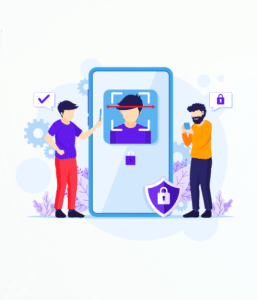
Biometric attendance solutions, such as fingerprint scanners and facial recognition systems, offer a secure method for tracking employee attendance. These technologies reduce the potential for buddy punching and attendance fraud, providing reliable data that helps businesses make informed decisions regarding workforce management.
Access control technology is constantly evolving, with new trends emerging that enhance security and user experience. Staying updated with these trends is crucial for businesses looking to implement effective security measures.
Recent advancements include the integration of AI and machine learning in access control systems, enabling predictive security measures. Additionally, mobile access solutions are gaining popularity, allowing users to control entry points via smartphones, thus increasing convenience and efficiency.
Artificial intelligence plays a pivotal role in modern attendance management systems by automating processes and providing valuable insights. AI-driven solutions can analyze attendance patterns and predict potential issues, helping organizations proactively manage their workforce.
For instance, AI can identify trends in absenteeism, allowing HR departments to address underlying issues effectively. This not only improves employee accountability but also enhances overall productivity within the organization.
Selecting the appropriate biometric system is essential for ensuring a seamless attendance management experience. Various factors, including the size of the organization, budget, and specific needs, should be considered when making this decision.
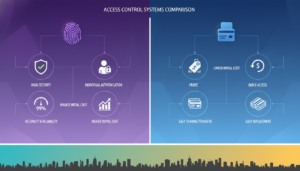
Businesses should evaluate different biometric technologies, such as fingerprint recognition, facial recognition, and iris scanning, to determine which best suits their operational requirements. Additionally, it's important to consider user-friendliness and integration capabilities with existing systems to maximize efficiency and effectiveness.