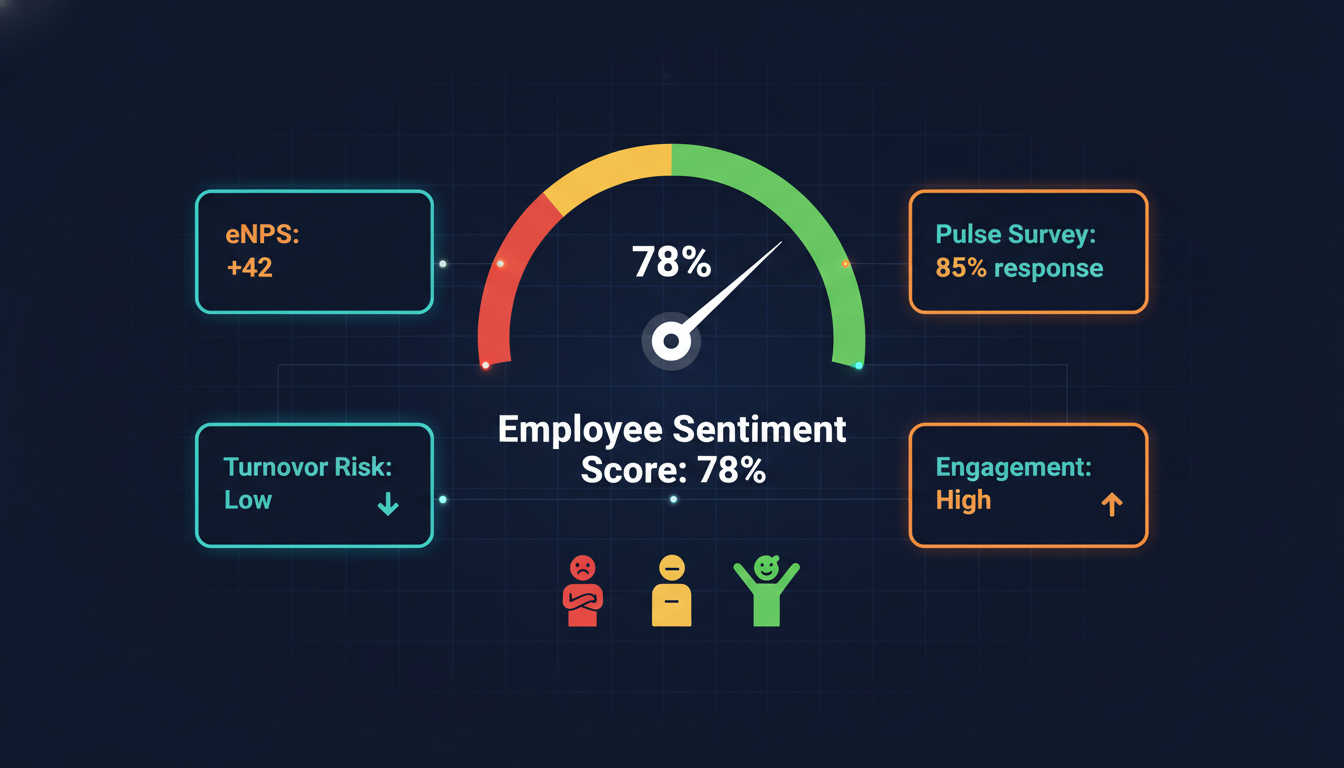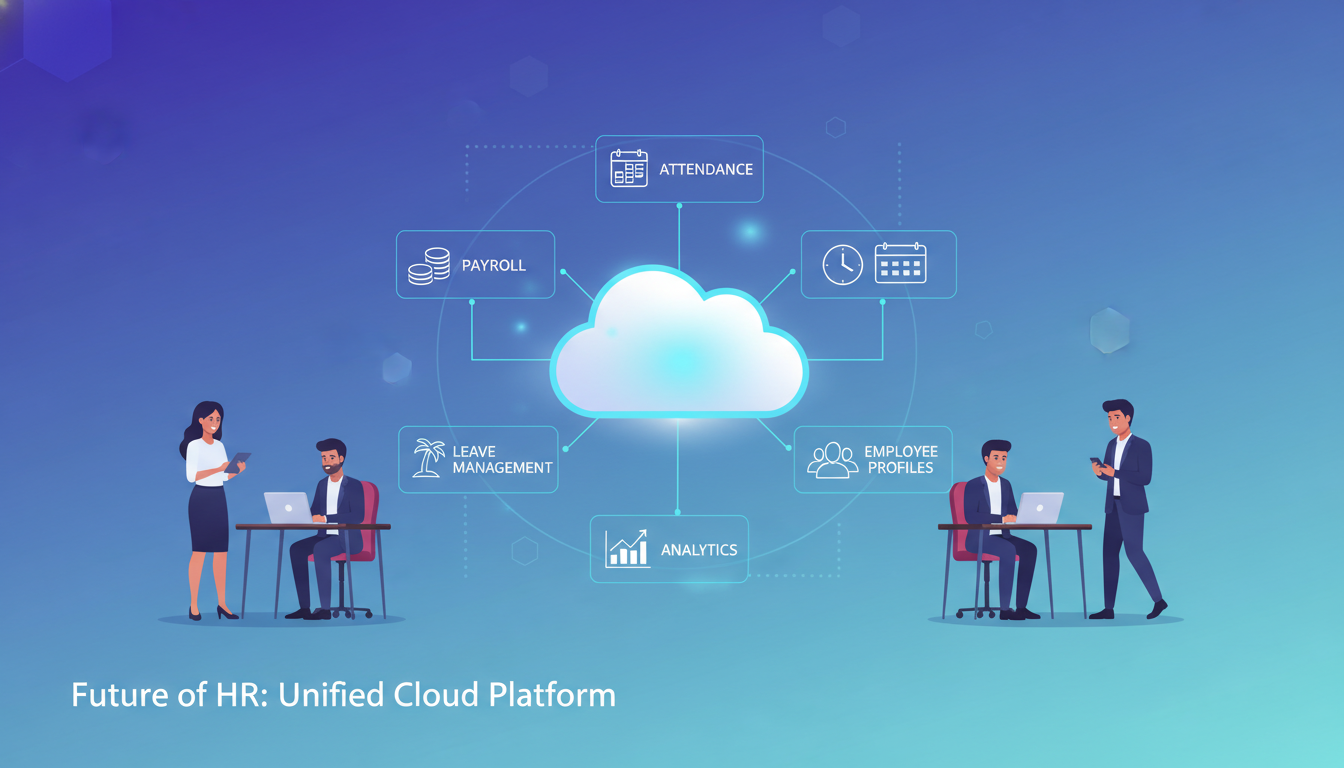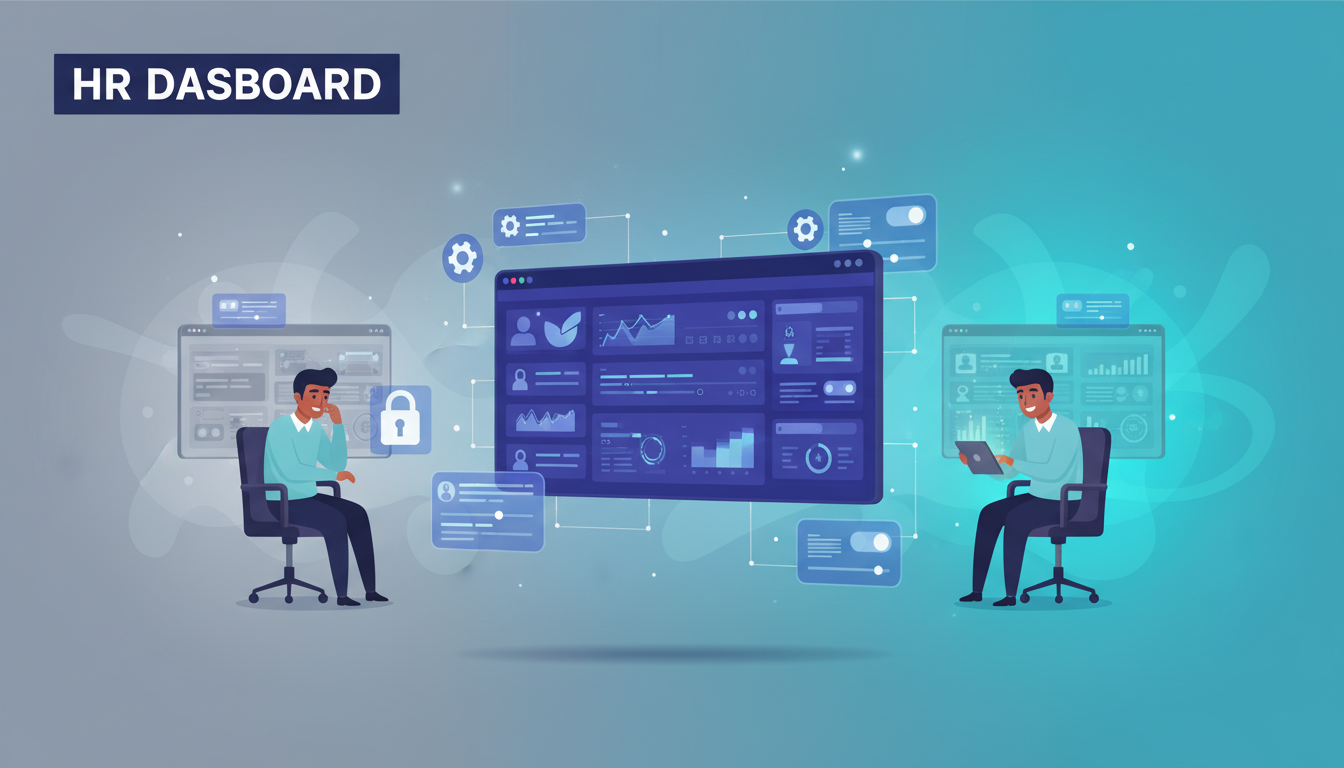


For a small business to thrive, Human Resources (HR) must be viewed as the engine for success, not just a necessary administrative function. Understanding HR essentials small businesses is crucial, as resource-constrained teams need to move past reactive paperwork and prioritize strategic initiatives like talent retention. The essential shift for small businesses involves leveraging technology and automation, freeing up the team to focus on growth and strategy. Implementing robust systems ensures compliance, boosts efficiency, and lays the foundation for scaling your workforce.
Why HR is Non-Negotiable for Small Businesses
Many small business owners handle HR tasks manually, often perceiving dedicated HR as a luxury they can postpone. However, the core challenge for any growing business is managing labor compliance, nurturing company culture, and securing top talent, all while safeguarding the business from significant legal risks.
The small team dilemma is universal: administrative tasks like managing payroll and attendance tracking consume valuable time. When your team is small, every hour spent on routine administration is an hour taken away from strategic initiatives, such as improving retention or planning future growth.
The modern solution is clear: Technology and Automation. Embracing HR software allows businesses to transition from tedious, reactive processes to proactive planning, ensuring that compliance is met effortlessly and teams can concentrate on building value.
The Foundational HR Pillars for Small Business
To build a strong foundation, small businesses must focus on key operational areas that ensure stability and prepare the business for scaling.
1. Compliance and Risk Management: Staying Ahead of the Law
Compliance is not optional; it represents non-negotiable obligations for your business. This includes adherence to Federal and State Mandates covering wages, hours, and required labor postings.. Ignoring these rules poses significant legal risks.

A critical area of risk is Worker Classification. Your business must accurately distinguish between W2 Employees and 1099 Contractors. Misclassification can lead to major compliance penalties and costly audits.
You must also maintain meticulous Required Documentation. Secure record maintenance involves keeping detailed employee files, including I-9 forms, general personnel records, and medical documentation. Factual integrity and citation quality are essential in HR records, underscoring the need for reliable systems.
2. Recruitment and Onboarding: Securing the Right Talent
Talent is the lifeblood of a growing company, making recruitment and onboarding essential components of HR operations. The process begins with Crafting Clear Job Descriptions that accurately define the role’s functions and set transparent compensation expectations.

Once the right individuals are identified, Impactful Onboarding is necessary. This process must move beyond mere paperwork to strategically introduce new team members to the company culture, assign mentors, and provide necessary training. This aligns the new hire with the organization’s goals immediately.
Using integrated HR technology, such as Tipsoi, allows for Rapid Onboarding through easy enrollment and automated allocation of new hires.
3. Payroll, Benefits, and Attendance Administration
Accurate payroll requires meticulous attention to detail and strict adherence to fixed pay schedules. This is where the Crucial Role of Automated Timekeeping comes into play. Reliable time data is the foundation of accurate payroll processing, yet manual tracking is prone to errors that cost time and budget.
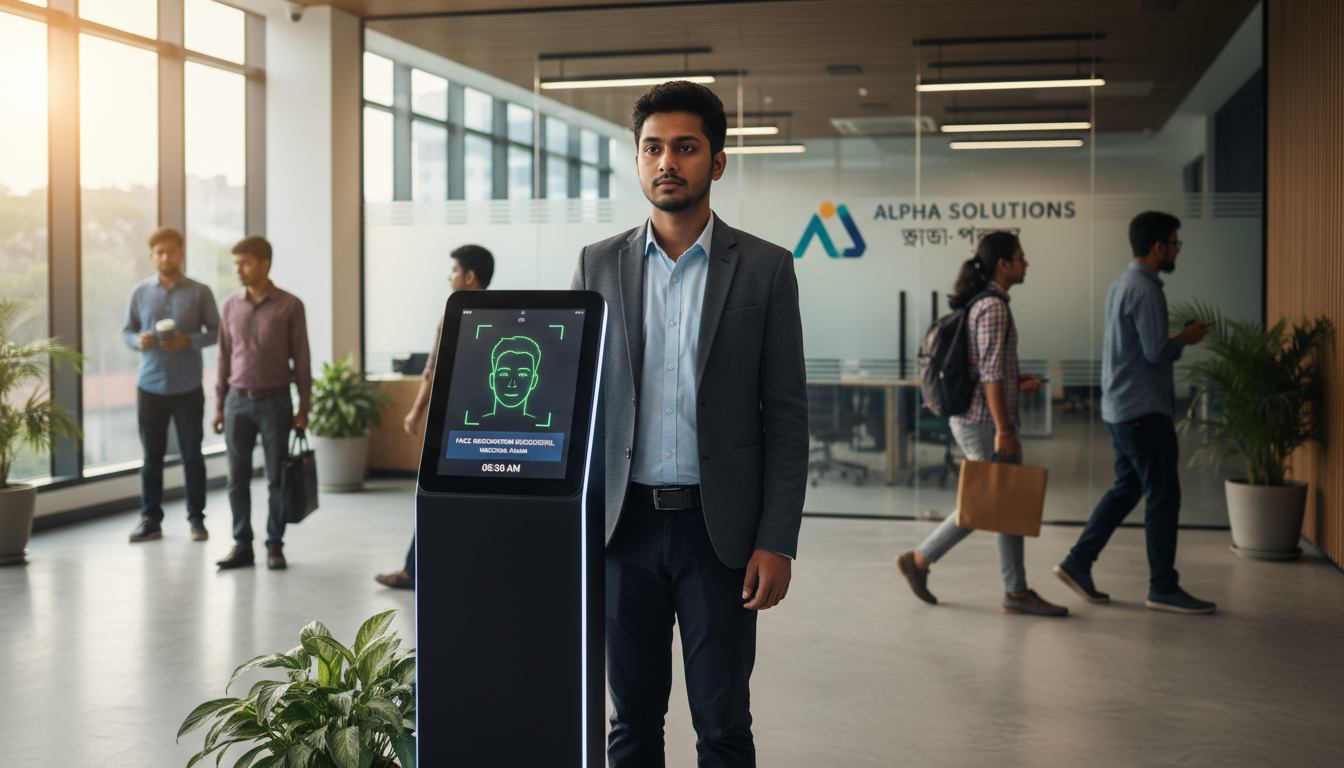
Small businesses should focus on Leveraging Tipsoi for Efficiency to automate this function. HR Information Systems (HRIS) or specialized HR software are essential to save many HR hours every month.
Tipsoi provides solutions such as AI-Powered Biometrics—which uses technology like cutting-edge facial recognition to verify identity. This advanced system ensures 100% accurate timekeeping and effectively eliminates time theft issues like “buddy punching”. Furthermore, Tipsoi provides Seamless Integration using its One-Click System Integration feature, ensuring that attendance data connects flawlessly with existing HR and payroll systems for complete payroll integrity.
4. Performance Management and Feedback
Effective performance management has shifted away from single annual reviews. Today, successful HR practice requires Frequent Check-ins and regular, meaningful feedback to address and guide employee growth consistently.
Key to success is establishing Goal Setting and Accountability. Managers must set SMART objectives (Specific, Measurable, Achievable, Relevant, Time-bound) that are clearly aligned with the broader business goals.
5. Training, Development, and Succession Planning
Investing in your employees ensures loyalty and supports long-term strategic growth. Small businesses must prioritize Continuous Learning, identifying skill gaps within the current workforce and aligning development with future strategic needs.
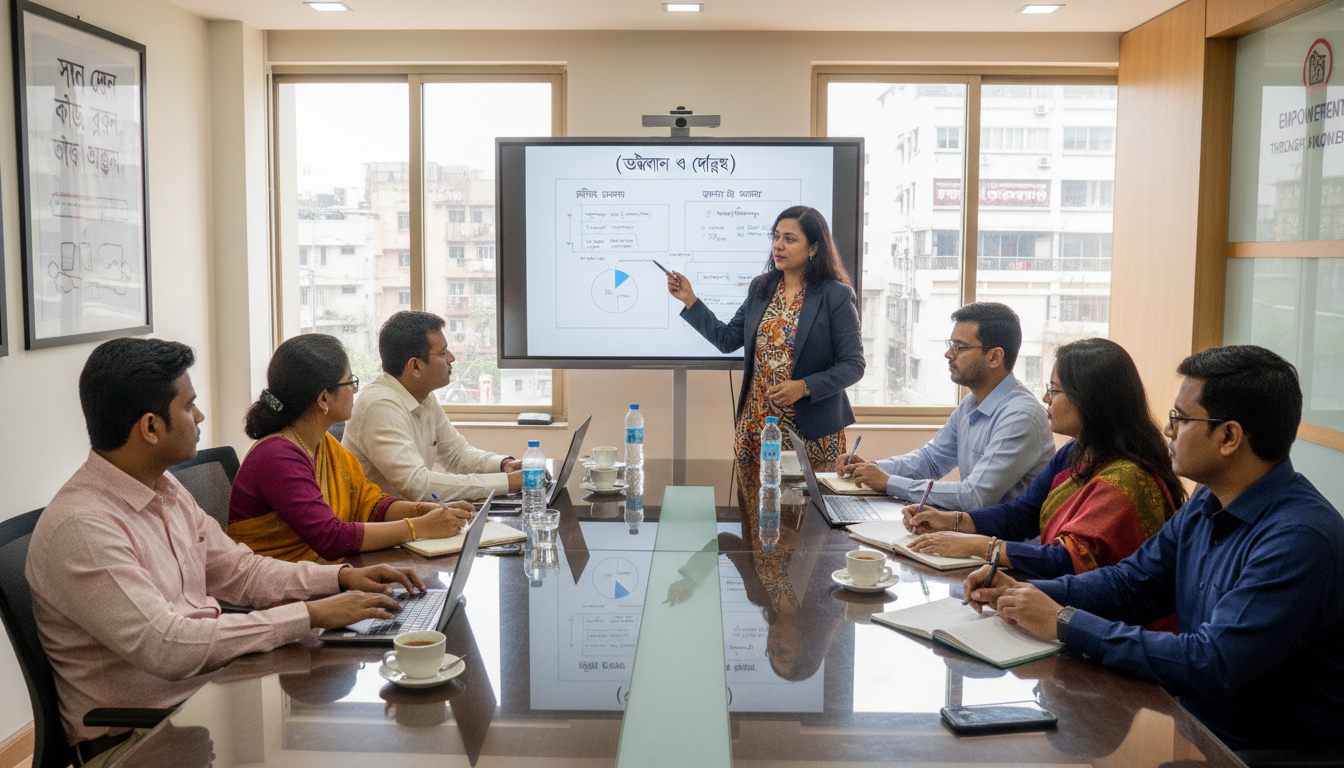
Building career pathways is also vital for retention. This is achieved by creating Individual Development Plans (IDPs) that foster loyalty by showing team members a clear path forward within the organization.
Implementing HR Technology for Efficiency
To fulfill the mandate of “Efficiency Through Tech,” small businesses must strategically choose and implement the right software solutions.
A. Essential HR Software Categories
The modern HR tech stack typically relies on two crucial components:
- HRIS/HCM: Human Resource Information Systems (HRIS) or Human Capital Management (HCM) platforms centralize all employee records, offering essential self-service portals.
- Attendance and Payroll Solutions: These specialized tools are necessary for automating payroll processing, ensuring accurate tax filing, and managing time data efficiently.
B. Tipsoi: The All-in-One Command Center for Workforce Management
Technology should replace outdated processes, providing a powerful, singular platform. Tipsoi focuses on Automation, offering complete control over the workforce and specializing in Attendance Automation.
Key features designed specifically for small businesses include:
- Automated Policy Enforcement: Utilizing Effortless Leave & Policy Management to significantly reduce administrative paperwork and ensure fair, consistent compliance across the team.
- Remote Management: Managers can use the Tipsoi Mobile App to approve requests, efficiently track schedules, and even manage the location of field staff. This is achieved through real-time monitoring and, where applicable, Geofencing.
- Time Savings: Automation is a powerful tool for small teams, helping them to Save 10+ HR hours every month. Crucially, it prevents financial errors that would otherwise eat into the operating budget.
Advanced & Actionable HR Checklists
Once the foundational pillars are established, attention must turn to complex, high-risk areas where strategic planning is vital.
A. Compliance Deep Dive: Contractor Classification Checklist
Improperly classifying a worker as a 1099 contractor instead of a W2 employee is one of the quickest ways to attract regulatory scrutiny.
- The Autonomy Test: The core rule is ensuring that the contractor maintains control over how the work is done, including the hours and methods used.
- Operational Due Diligence: Businesses must avoid treating contractors like regular employees. For instance, a 1099 contractor should not be included in mandatory employee training or general team meetings.
B. Managing Complex Employee Relations
Handling employee relations requires empathy, clear documentation, and a focus on behavior, not personality.
- Handling Disciplinary Action: Use a practical framework that focuses on specific behaviors that need correction and ensures all disciplinary actions are thoroughly documented.
- Structuring a Performance Improvement Plan (PIP): A PIP must be clearly defined. It needs to outline specific deficiencies, detail the support and resources the employee will receive, set a clear duration for the plan, and state the consequences if performance goals are not met.
C. Financial Modeling for HR Costs
Strategic HR involves linking internal metrics like retention and productivity to measurable business outcomes, demonstrating a clear Return on Investment (ROI).
- In-House vs. Outsourced Cost-Benefit Analysis: Determine the total cost of maintaining HR functions internally (Salary plus software) versus contracting services at a Per Employee Per Year (PEPY) rate.
- Measuring ROI: HR metrics are not abstract; they are tied directly to financial success. The ROI of efficient HR is measured by improvements in key metrics like Retention and Productivity which directly impact business profitability.
Conclusion: The Strategic Shift for Growth
Successful HR moves your business beyond merely reacting to compliance demands and instead positions HR as a proactive strategic asset. This approach ensures that your HR metrics, such as employee retention rates, are intrinsically linked to core business outcomes and organizational growth.
To make this transition effective and sustainable, your business must implement robust technology. Technology, specifically platforms like Tipsoi, eliminates manual attendance tracking, reclaims crucial operational time, and frees your small team to focus their valuable energy on cultivating talent and achieving business growth.
Frequently Asked Questions (FAQ)
When should a small business hire its first HR employee?
Generally, a small business should budget for and hire its first dedicated HR professional when the workforce reaches 10 to 15 employees. At this size, the volume of administrative work and the burden of ensuring labor compliance typically become unsustainable for owners or non-HR staff to manage effectively.
What are the biggest HR challenges for small businesses right now?
The most significant challenges currently faced by small businesses involve three areas: Recruitment and retention of highly skilled employees, dealing with excessive administrative overload from manual processes, and successfully navigating increasingly complex compliance laws.