

Last month, a startup founder in Dhaka contacted me, worried about compliance penalties and mounting staff disputes. Their manual system was a slow drain, resulting in endless recalculations and mistrust. Having spent over 20 years implementing attendance solutions and HR software for small business at Inovace Technologies LTD, I’ve seen countless growing small businesses try to manage a modern workforce with outdated tools, and the results are consistently painful.
In Dhaka’s fast-growing business environment, relying on manual systems creates high risks regarding time waste, errors, and compliance. The specific problems faced by small Bangladeshi teams are often chronic: payroll consuming 5 to 10 hours monthly, recurring mistakes in salary and attendance leading to employee disputes, and a persistent lack of real-time visibility for owners who struggle to keep track of local compliance mandates.
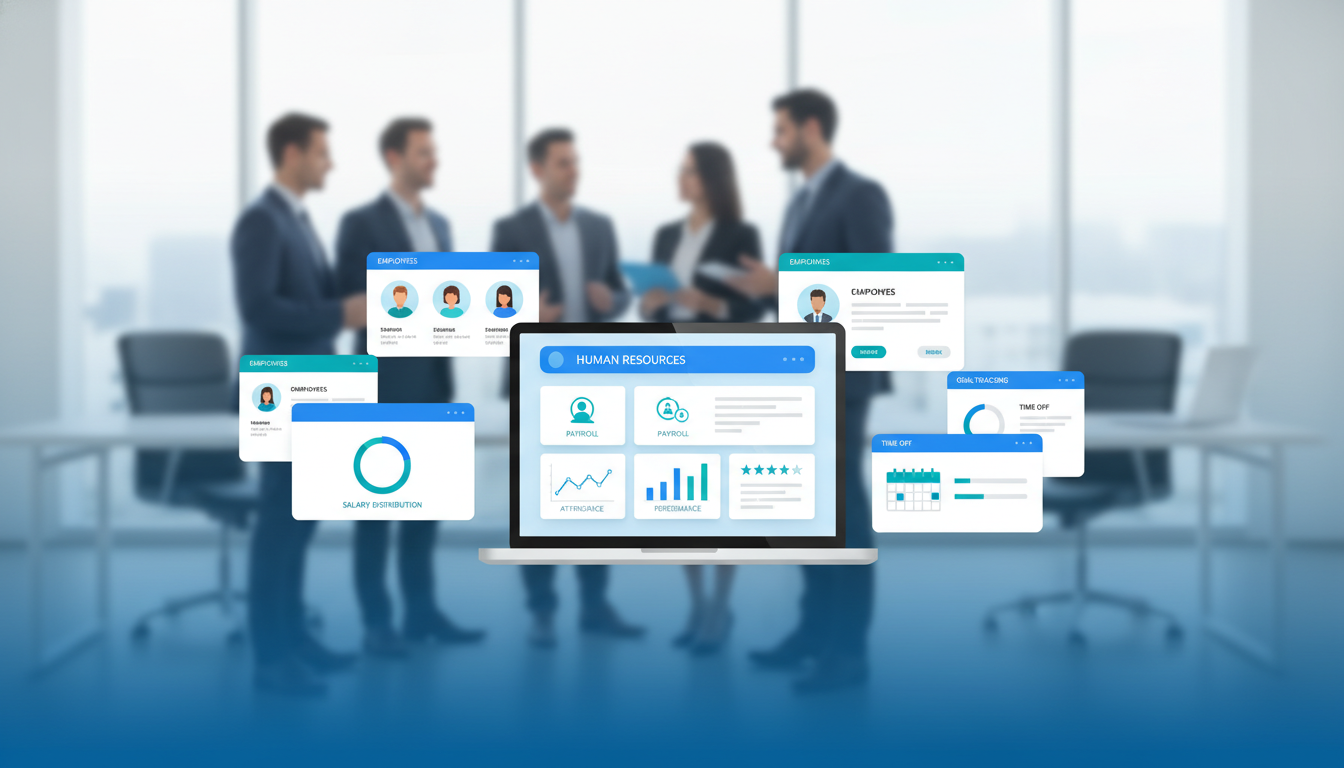
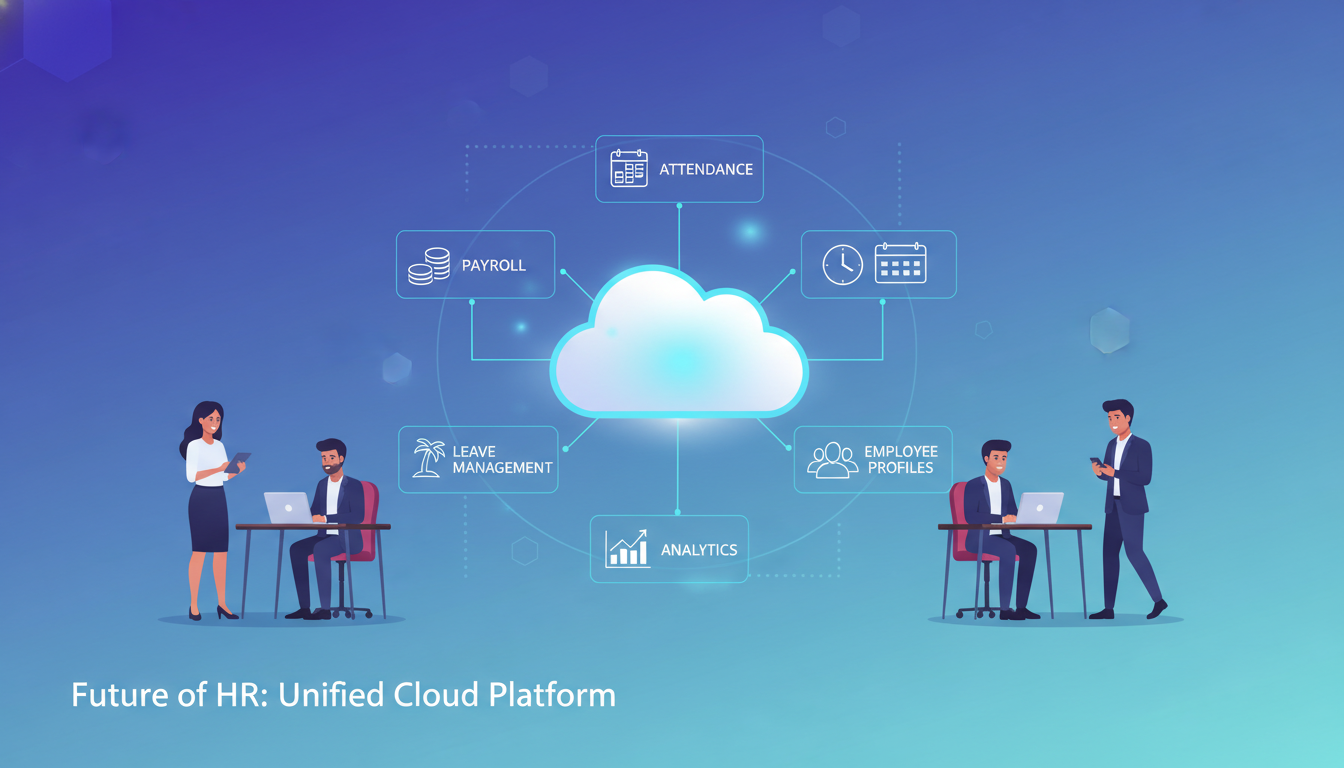
The answer is HR automation through HR software for small business. The goal is not just to replace paper, but to fundamentally streamline operations. High-performing HR software can deliver quantitative results, such as achieving 80% faster HR operations and 90% fewer manual errors. Automated platforms, like Tipsoi, are designed to eliminate human error, provide a real-time, crystal-clear view of the workforce, and free up your HR team to focus on strategy rather than paperwork.
The 5 Non-Negotiable Criteria for SMEs
When I advise clients on selecting HR solutions, I always stress moving beyond the flashy features and focusing on the core, foundational needs specific to the local market. For a small business in Bangladesh, five criteria must be met before you even consider cost.
1. Local Statutory Compliance and Reporting

The primary role of HR software in Bangladesh is to act as your legal shield. Most vendors focus on general features, but the reality is more nuanced than marketing materials suggest. You must demand explicit verification that the system is built with a deep understanding of Bangladesh labor laws and automatically updates for mandatory changes in both the Bangladesh Labor Act 2006 and the Income Tax Ordinance 1984. If your software fails here, you are exposed to significant legal risk.
Furthermore, you need proof that the system generates the essential statutory reports required by regulatory bodies. This includes detailed tax reports required by NBR, Gratuity calculation audit trails, and mandatory WPPF (Workers’ Profit Participation Fund) statements. If the software cannot produce these reports accurately and instantly, it will not meet your foundational needs.
2. Pricing Transparency and Hidden Costs
For budget-sensitive small firms, the software must offer Subscription-based pricing models (typically per-employee/per-month) instead of large, prohibitive one-time perpetual licenses. Scalability is key. For instance, Tipsoi offers scalable pricing, allowing companies to easily start with just one user and expand seamlessly up to 50,000 users or more as they grow.
Here’s what most vendors won’t tell you: you need to unmask hidden fees. Vendors must clearly disclose their average Implementation Fee and the true cost of On-Site Support. A seemingly affordable subscription can quickly become costly if the initial setup is complex and requires expensive, long-term vendor assistance.
3. Essential Attendance Flexibility for the Modern Workforce (Tipsoi Integration)
Attendance tracking today must accommodate varied work environments. A core feature of any successful system is its ability to handle multiple modern attendance methods. This includes traditional Biometric device integration (essential for office settings), simple Web check-in, and crucially, Mobile GPS/Geo-fencing for remote or distributed teams.
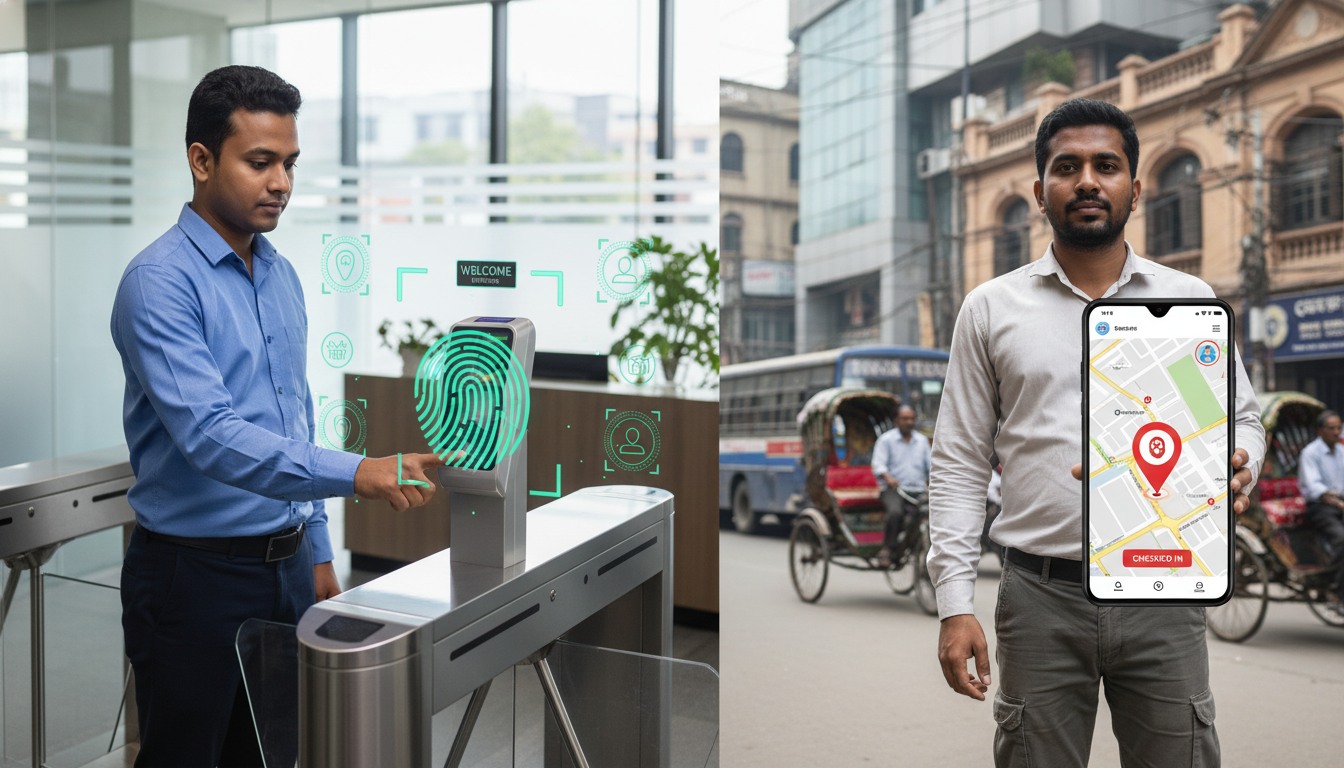
In my experience, one of the biggest losses in manual or weak digital systems is inaccurate timekeeping and “buddy punching”. To combat this, solutions like Tipsoi are fortified with AI-Powered Biometrics and cutting-edge facial recognition technology to ensure 100% accurate timekeeping. The mobile application also supports effortless clock-in from anywhere using mobile punch and GeoFencing, while location tracking provides real-time visibility of field staff, significantly enhancing transparency.
4. Local Financial Integration (The Disbursement Benchmark)

Timely and accurate salary disbursement relies heavily on your HR system’s ability to integrate with the local financial ecosystem. Does the software verify stable salary disbursement integration with all major Mobile Financial Services (MFS)? You must ask the crucial question: Does the platform support the bank file formats used by bKash, Nagad, and Rocket? Without seamless integration with these local financial services, you will simply shift the manual burden from attendance to payroll execution. Tipsoi, for example, is specifically designed for seamless integration with existing HR and payroll systems to ensure a unified workflow.
5. Usability and Zero-Reliance: The Simplicity Mandate
Simplicity is vital for quick user adoption. The best HR software must have an intuitive interface and, most importantly, an Employee Self-Service (ESS) portal. The ESS portal allows staff to instantly manage their leave requests and view payslips, dramatically reducing the overall HR workload.
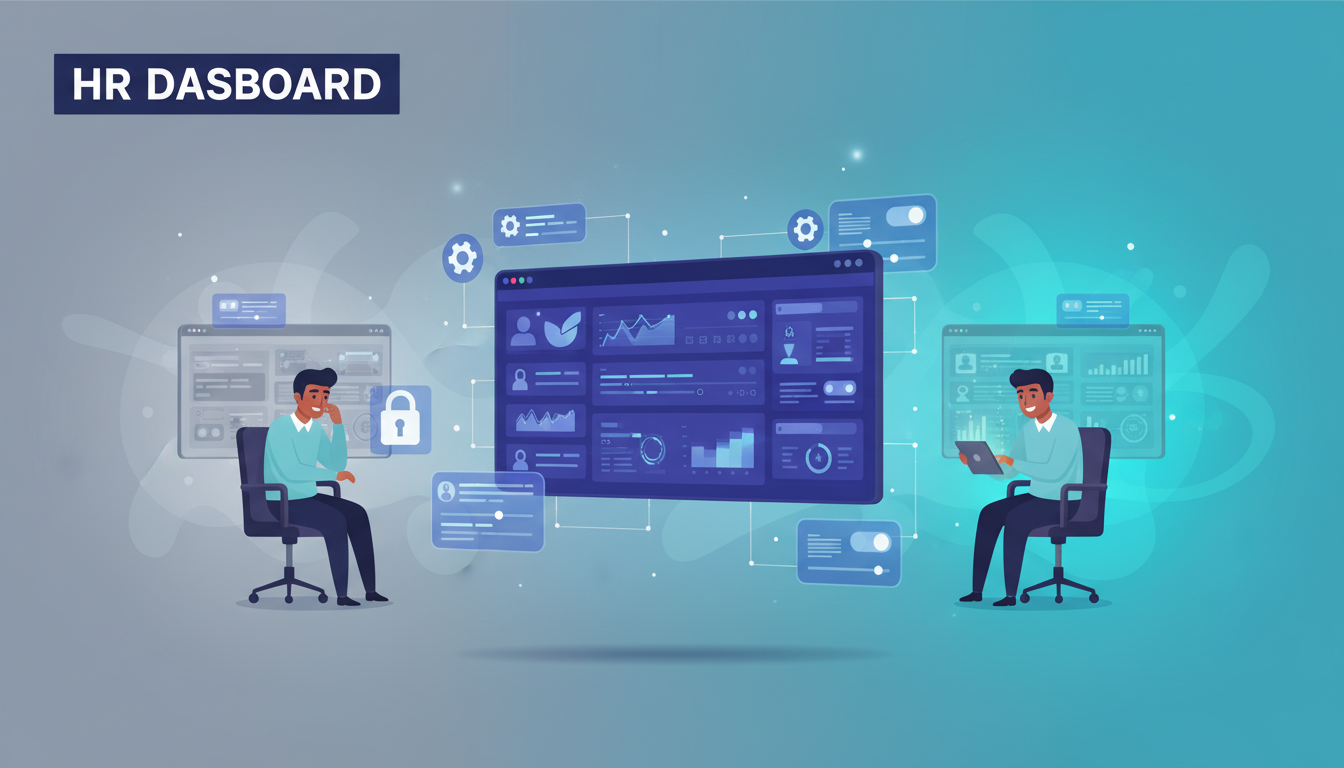
When I conduct a practical test of a system, I look for solutions that are truly “plug-and-play”. Your goal should be post-training autonomy, requiring low vendor reliance after the initial setup. Tipsoi helps achieve this simplicity by offering a real-time, 360-degree view of the entire workforce accessible from one intuitive dashboard.
Comparative Review of Top SME-Focused Software
Selecting the right solution means comparing features, implementation speed, and affordability. While there are many options, here is a snapshot of some SME-focused software available in the market, based on available industry data:
| Software | Target SME Size (Employees) | Starting Price (BDT/Month) | Implementation Time | Core Strength for SME |
| Tipsoi | 1–50k+ (Scalable) | Scalable Pricing | 1–3 weeks | AI-Powered Biometric & Mobile Attendance Automation, Real-time Cloud Integration, Centralized Command Center |
| PiHR | 10–100 (Startups) | ৳2500 – ৳6000 | Potentially 6 months upfront required | Affordability and Quick Cloud Deployment |
| HR Sheba | 1–60 (Startup Plan) | ৳2400 – ৳4200 | Low/Transparent Startup Cost | Localized Compliance & Reporting (50+ Reports) |
| PeopleDesk | 30+ (Growth Focused) | Custom Pricing | Requires contacting vendor | Scalability, Enterprise Tech, and Accuracy |
| Smart HRM | Small to Mid-Sized | Affordable (Not detailed) | Cost-effective | Ease of Implementation and Low Operational Cost |
Warnings on Feature Bloat
I’ve seen businesses make this mistake repeatedly: they choose an unnecessarily complex, enterprise-grade platform. Small businesses must caution against this feature bloat. Heavy features like full ATS/Recruitment pipelines or advanced 360-degree feedback lead only to unnecessary cost and implementation complexity.
The pragmatic advice for SMEs is to recommend simple, modular solutions. Focus your investment only on core features: Core HR, Attendance, and Payroll. This targeted approach ensures faster adoption and maximizes your budget efficiency.
Implementation, Training, and Success Strategies
Switching systems is always a critical phase. Planning must be emphasized over rushing the process.

Time-to-Launch Benchmarks
A realistic comparison shows that most small firms leveraging cloud-based SaaS can expect to go live in weeks, not the months required for heavily customized enterprise solutions. For example, Tipsoi’s typical implementation ranges from 1-3 weeks, with the timeline largely depending on the organizational complexity of the client. This fast time-to-launch is critical for small businesses needing immediate efficiency gains.
Avoiding Common Pitfalls for Small Businesses with HR Software for Small Business
Based on my experience across manufacturing, corporate, and healthcare sectors, I’ve found that three areas require mandatory attention:
- Comprehensive Employee Training: A powerful system is useless if employees don’t know how to use it. Emphasize the need for comprehensive employee training to avoid inadequate feature usage.
- Data Security: Protecting sensitive workforce data is non-negotiable. You must stress the mandatory use of robust data encryption and role-based access control to protect against cyber threats. Tipsoi, for example, implements comprehensive security measures through multi-layer authentication protocols and end-to-end encryption.
- Local Customization: Advise against neglecting customization. Even simple systems must be adjusted precisely to fit your local policies and specific business rules.
Aligning Software with Your Growth Trajectory
As an industry leader, I can confidently assert that the best HR software for a small business in Bangladesh must ultimately prioritize localized compliance above all else. Beyond that legal foundation, it must offer transparent and affordable pricing—like the strong entry plans seen from HR Sheba or PiHR—and provide robust mobile attendance and ESS functionality to empower employees and reduce HR burden.
If you are considering an HR software upgrade, the practical test is this: shortlist 2–3 options based on the criteria above. Request a demo or free trial—Tipsoi offers a and evaluate them meticulously based on user experience and compliance checks before making any commitment.
Choosing HR Software for Small Business is like selecting a powerful engine for a small racing car: you need reliability, speed, and fuel efficiency (affordability) tuned specifically for the local track (Bangladesh compliance), not an unnecessarily complex, gas-guzzling jet engine. Start by auditing your current pain points and match them to specific features, not the other way around.