
Managing a team is messy. Even on a good day.
You’ve got leave requests piling up. Payroll due Friday. One employee’s salary is wrong again. And you’re doing all of this in a spreadsheet that was last updated… honestly, who knows when.
What if your HR tools just worked? Like, actually worked without you chasing data across three tabs and two email threads?
That’s exactly what an HR cloud system is built for. It’s not a magic wand. But it’s pretty close.
This guide covers everything you need to know. What it is. How it works. What to look for. And why businesses of every size are making the switch right now.
What Exactly Is an HR Cloud System?
An HR cloud system is HR software that runs entirely online.
No physical server. No IT setup. No “only works on the office computer” situation.
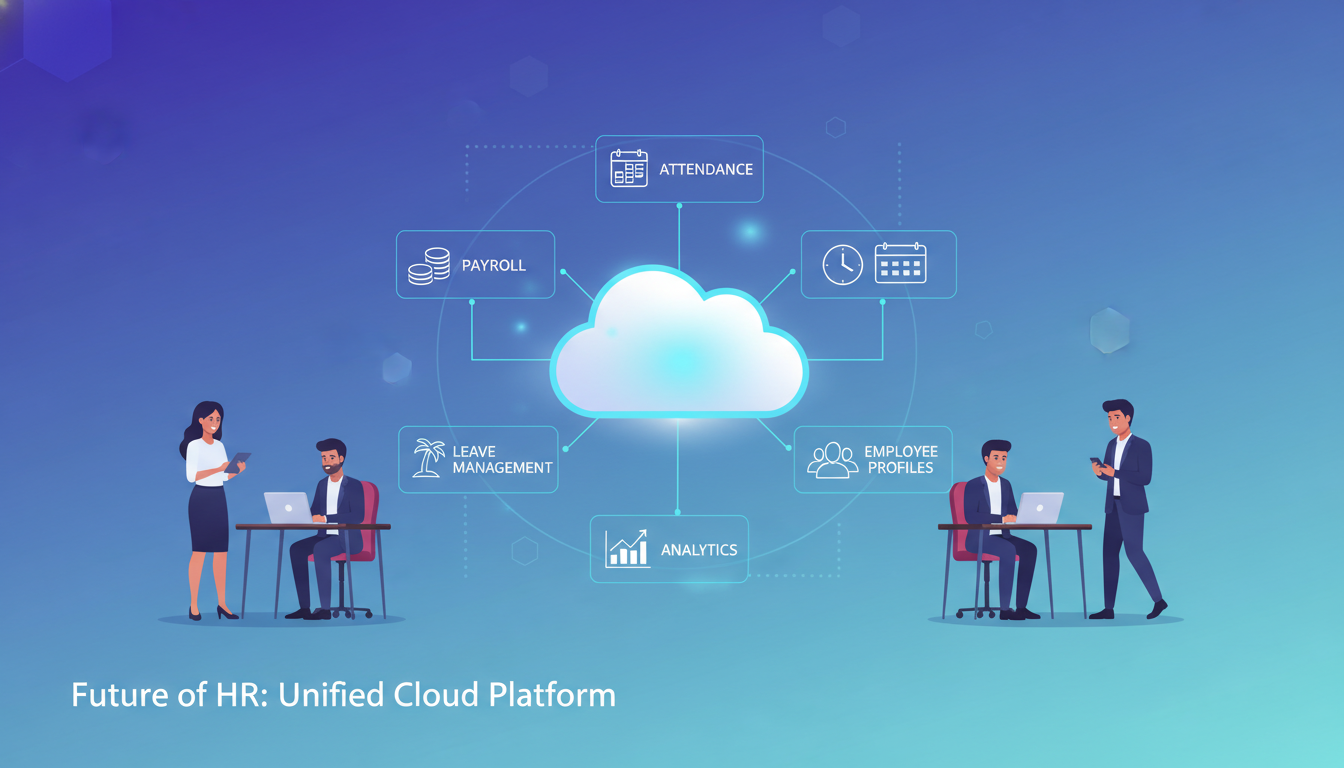
Everything lives in the cloud. That means your employee records, attendance data, payroll info, and leave history are all stored on secure external servers. You access them through a browser or mobile app.
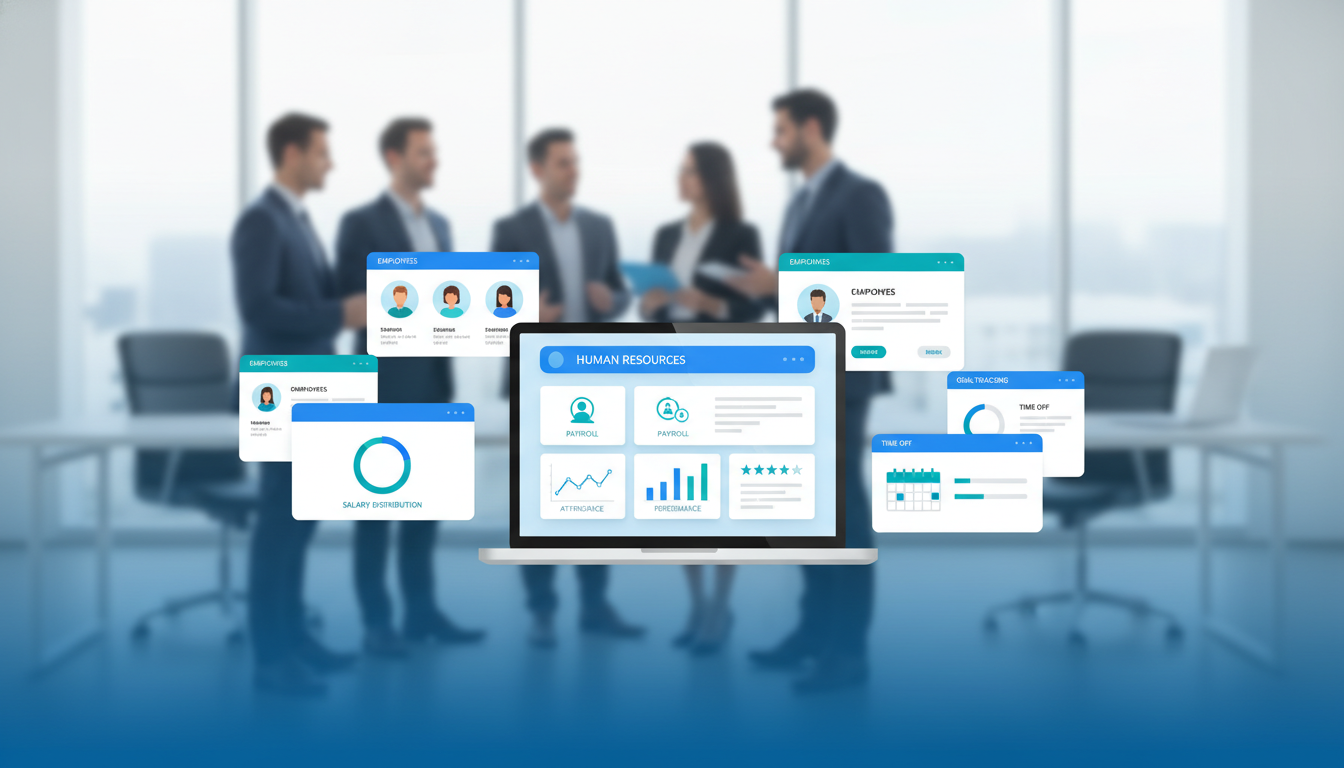
It handles the full employee lifecycle. Hiring, onboarding, daily attendance, payroll processing, performance reviews, and offboarding.
Think of it as the command center for your entire people operation. Compact, accessible, and always on.
How Does an HR Cloud System Actually Work?
Here’s the non-technical version.
You sign up for a platform. Your company data gets uploaded or migrated. Then every HR action, approvals, payslips, leave requests, runs through that system in real time.
No waiting for someone to “update the file.” No emailing back and forth to confirm a leave balance.
The Tech Behind It
Most HR cloud platforms are SaaS tools, which stands for Software as a Service.
The vendor hosts the software. They update it. They secure it. You just log in and use it.
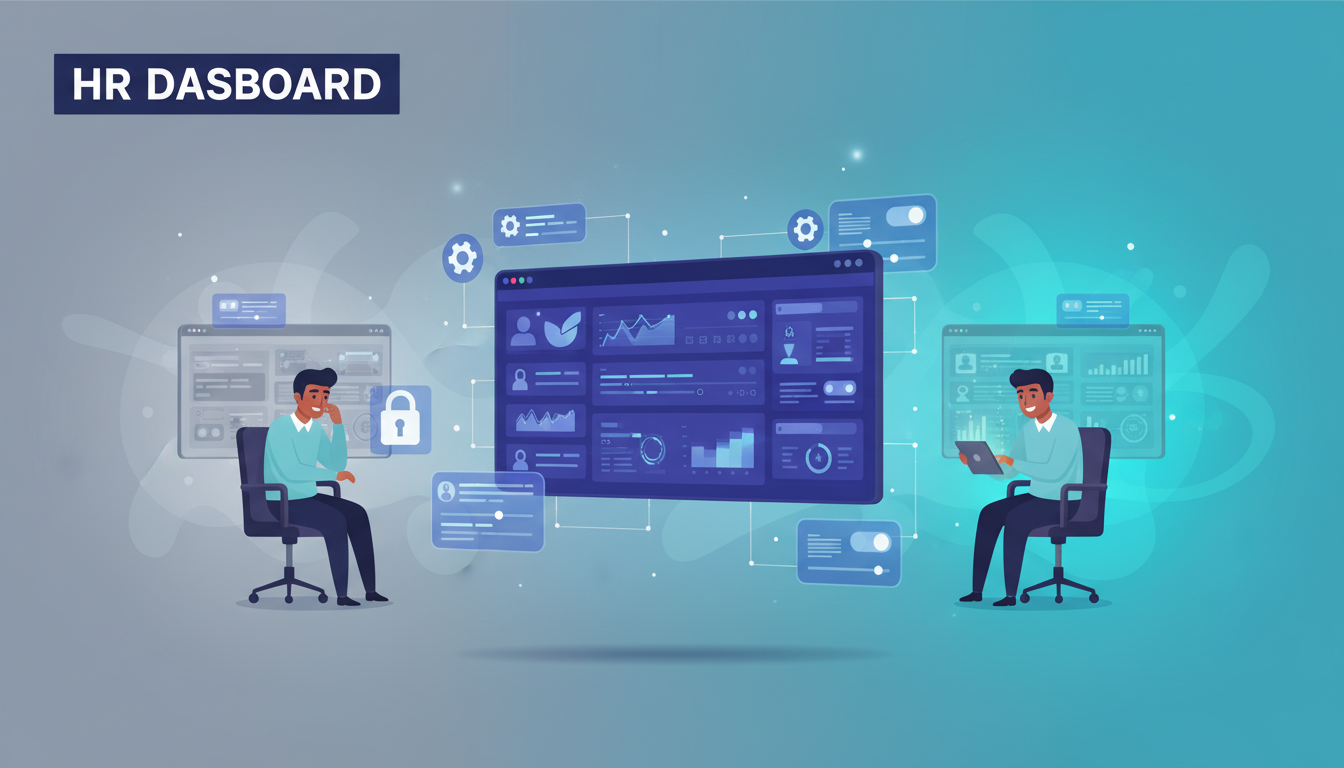
Role-based access means your employee sees their own dashboard. Your manager sees their team’s data. You see everything. Nobody gets access they shouldn’t have.
It’s a bit like a well-organized filing room. Except it never loses anything and works from anywhere in the world.
HR Cloud System vs Traditional HR Software: The Real Difference
Old HR software lived on a desktop in the HR office.
It crashed during payroll runs. You needed IT to add a new feature. And forget about accessing it from home.
Cloud HR flips all of that.
| Feature | Traditional HR Software | HR Cloud System |
|---|---|---|
| Access | Office only | Anywhere, any device |
| Updates | Manual, infrequent | Automatic, continuous |
| Upfront Cost | High | Low (subscription) |
| Scalability | Limited | Built to scale |
| Data Backup | Manual risk | Automatic and secure |
| Integration | Very few | Dozens of tools |
Traditional software is like a filing cabinet that you have to physically carry to every meeting. Cloud HR is the system that travels with you.
Core Features of a Modern HR Cloud Platform
A good cloud HR system doesn’t just do one thing well. It does several things really well.
Here are the features that matter most.
1. Employee Self-Service Portal
Your employees can check their payslips, update personal info, and submit leave requests without contacting HR directly.
This single feature saves HR teams five to ten hours a week. Employees feel more in control. HR spends time on real work instead of admin.
2. Attendance and Leave Management
Track who’s in. Who’s out. Who’s on sick leave and who took two casual days back to back.
Good platforms sync with biometric attendance devices or mobile check-ins. They flag anomalies automatically. You see the full picture without digging through logs.
3. Payroll Processing and Compliance
Run payroll in minutes instead of days.
The system pulls real attendance data. It calculates salaries, deductions, and taxes automatically. Errors drop. Delays stop. Your team gets paid correctly and on time, every time.
4. Recruitment and Onboarding Tools
Post jobs. Track applicants. Send offer letters. Set up new hires before day one.
A solid onboarding workflow means new employees start feeling like they belong from day one. Not week three.
5. Performance Management
Set goals. Track progress. Collect feedback. Do it all without scheduling seventeen meetings.
Why Are Businesses Switching to Cloud-Based HR Systems?
There’s an old saying: “Don’t sharpen the knife after the tiger arrives.” In HR terms: fix your systems before the problems pile up, not after.
Businesses are switching for three big reasons.
First, speed. Manual HR is slow. Cloud HR cuts the time on every task by a significant margin.
Second, accuracy. Manual data entry has errors. Systems don’t (or at least, catch them early).
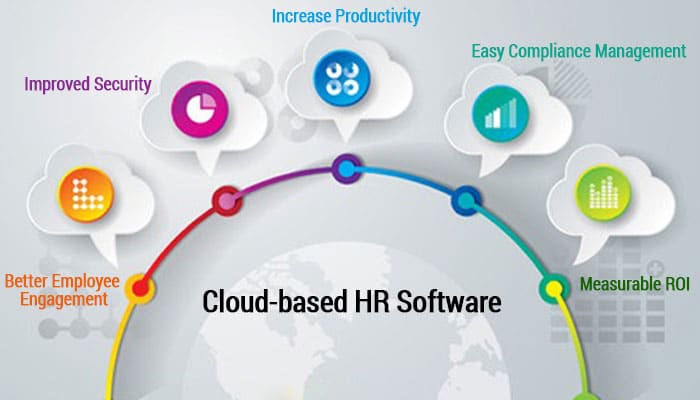
Third, visibility. You can’t manage what you can’t see. Cloud HR gives you real-time data on your entire workforce.
According to Gartner, nearly half of HR leaders planned to increase their HR technology budget in 2024 Deloitte Insights, with cloud tools cited as the primary driver for reducing admin costs and improving workforce outcomes.
The Real Benefits of Using an HR Cloud System
Let’s get specific. Here’s what actually changes when you adopt cloud HR.
For your HR team:
- Less time on manual data entry
- Faster, more accurate reporting
- Fewer compliance surprises
- More time for actual human conversations
For your employees:
- Instant access to their own records
- Faster responses to every request
- A feeling that the company is competent and organized
For business owners and leaders:
- Real-time data to base decisions on
- Lower long-term operational cost
- A system that scales as you hire
The biggest benefit nobody talks about? Relief. That quiet, steady relief when your HR tools stop fighting you and start helping you.
HR Cloud Systems for Small Businesses: Is It Worth It?
A lot of small business owners think cloud HR is an enterprise luxury. That thinking is outdated.
Modern platforms are built for small teams. You can start with 10 employees and scale to 300 without switching systems or paying for features you don’t need yet.
And here’s the honest truth. Small businesses suffer the most from HR mistakes.
One payroll error shakes employee trust. One compliance miss can trigger a fine or audit. One messy onboarding experience can lose a great hire in the first two weeks.
Cloud HR gives small teams the same operational strength as big companies. Just without the enterprise budget.
How Cloud HR Supports Remote and Hybrid Teams
Your team isn’t all in the same room anymore.
Maybe half are in the office. Some are working from home. One is traveling. How do you manage attendance, approvals, and payroll across all of that?
A cloud-based HR system handles it cleanly.
Employees log in from wherever they are. Managers approve requests from their phones while on the move. Payroll runs on schedule regardless of who’s sitting where.
It’s the connective tissue of a distributed team. Without it, things slip. With it, things hum.
Data Security in HR Cloud Platforms: What You Actually Need to Know
Storing sensitive employee data online feels risky. We get it.
But here’s the reality. A trusted HR cloud platform is usually more secure than a shared spreadsheet emailed around the office. Or a local server nobody’s backed up in six months.
Reputable providers use data encryption, two-factor authentication, and regular third-party security audits.
When choosing a vendor, look for these signals:
- ISO 27001 certification
- GDPR or local data protection compliance
- Clear data ownership terms (your data is yours)
- Role-based access controls
Security isn’t just about the tech. It’s about picking a vendor that treats it seriously.
How to Choose the Right HR Cloud System for Your Business
There are dozens of platforms out there. How do you cut through the noise?
Start by mapping your biggest pain point. Is it payroll? Attendance? Compliance? Recruitment?
The right system solves your core problem first. Then grows into everything else.
Questions to Ask Before You Sign Up
- Does it support local tax and labor law compliance?
- What does the mobile app actually look like? (Test it, don’t trust screenshots.)
- How does customer support work in your time zone?
- Can it integrate with your accounting or ERP tools?
- How long does implementation take?
Don’t buy a list of features. Buy outcomes. Ask vendors: what does success look like for a company like mine?
Common Mistakes When Switching to an HR Cloud System
Switching to cloud HR is exciting. It’s also where people trip up.
Mistake 1: Migrating messy data. Old spreadsheets with duplicates, wrong dates, and missing fields will make your new system just as messy. Clean your data first.
Mistake 2: Skipping team training. The best software in the world does nothing if people don’t know how to use it. Dedicate real time to onboarding your team.
Mistake 3: Choosing on price alone. The cheapest option usually hides costs somewhere. Missing features mean manual workarounds, which cost hours every week.
Mistake 4: Forgetting employee buy-in. If your employees don’t trust the system, they won’t use it properly. Bring them in early. Explain what’s changing and why.
The Role of Cloud HR in Employee Experience
Your HR tools are part of how employees experience your company. Most leaders don’t think about it that way.
But think about it from the employee side.
When you can see your payslip in 10 seconds. When you get leave approved before the day ends. When you don’t have to chase HR for basic info. That signals something important: this company is organized. I can trust it.
That trust builds pride. That pride builds loyalty. And that loyalty is what keeps great people around.
A smooth HR experience is a retention strategy. Quietly, consistently effective.
HR Cloud Integration: Connecting the Tools You Already Use
Your HR system shouldn’t live in isolation. It needs to talk to your other tools.
Most good cloud HR platforms integrate with:
- Accounting software (for automatic payroll journal entries)
- Communication tools like Slack or Teams (for leave and approval notifications)
- Biometric attendance systems (for seamless time tracking)
- ERP platforms (for company-wide data sync)
- Recruitment platforms (for smooth candidate-to-employee transitions)
The goal is a connected ecosystem. Data flows automatically. Nobody enters the same thing twice.
HR Analytics and Reporting: Turning People Data Into Smart Decisions
Think of HR analytics like the dashboard of your company car. Without it, you’re driving blind.
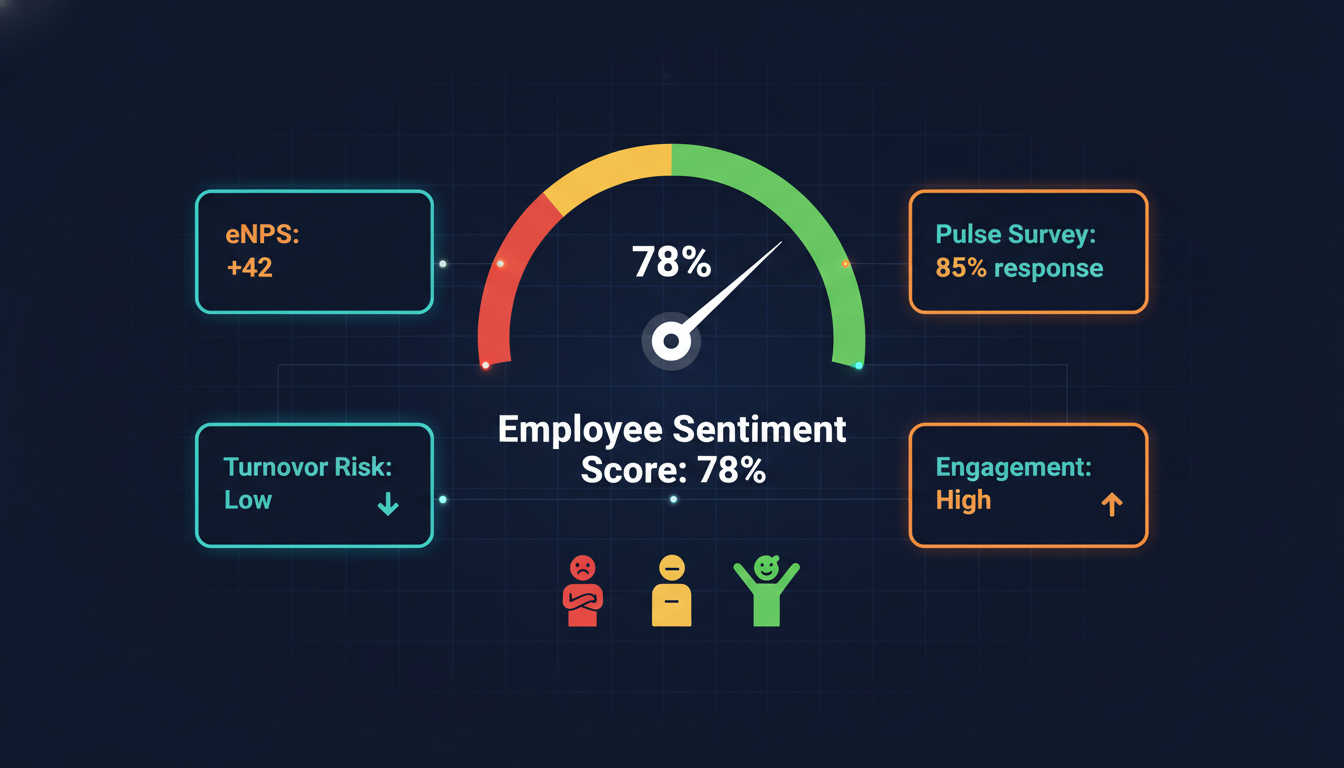
Your HR cloud system collects data every single day. Leave trends. Overtime patterns. Turnover rates. Time-to-hire metrics. Headcount by department.
Good platforms turn all of that into clean visual dashboards.
You can spot problems before they become expensive. You can make smarter decisions about hiring and compensation. You can track the impact of every people-strategy change over time.
This isn’t just reporting. It’s strategic HR. And it separates companies that react from companies that plan.
What HR Cloud System Implementation Actually Looks Like
Getting started is much less scary than it sounds.
Most vendors walk you through a structured process.
Step 1: Data migration. Import your employee records, organizational structure, and historical data.
Step 2: System configuration. Set up leave policies, payroll rules, work schedules, and access roles.
Step 3: Integrations. Connect your existing tools.
Step 4: Training. Walk HR, managers, and employees through how to use the system.
Step 5: Go live and monitor. The first 30 days usually surface small adjustments. That’s normal.
A good vendor gives you dedicated support throughout. You should never feel like you’re figuring it out alone.
The Future of HR Cloud Technology
Cloud HR isn’t staying still. The next wave of features is already arriving.
AI-assisted HR tools are starting to automate routine work. Scheduling interviews. Summarizing performance feedback. Flagging employees who may be at risk of leaving before they actually resign.
Mobile-first design is becoming the baseline expectation, not a bonus feature.
Predictive analytics is helping companies plan hiring six months in advance instead of reacting to turnover after the fact.
And as teams become more global, multi-currency payroll and multi-language interfaces are shifting from premium features to standard ones.
The direction is clear: HR software is getting smarter, faster, and more employee-centered every year.
Why Tipsoi Is Built for Businesses Like Yours
Tipsoi is designed for teams that are done wasting time on broken HR processes.
It pulls attendance tracking, payroll processing, leave management, and employee records into one clean platform. Built for how modern teams actually work. Not how HR worked ten years ago.
Whether your team is 15 people or 500, Tipsoi scales without drama. No massive IT project. No steep learning curve. No switching tools as you grow.
You get local compliance built in. A team that answers when you call. And software that actually makes HR feel manageable.
Ready to see it in action?
+8801313359294
Conclusion
Here’s the truth. Your HR processes are either working for you or against you right now. There’s no neutral.
An HR cloud system removes the daily friction. It gives your team clarity about where things stand. It gives employees the smooth experience they actually deserve. And it gives you the confidence to make decisions based on real data.
You don’t need to have it all figured out before you start. You just need to take the first step.
Tipsoi is ready when you are ?
FAQs
1: What is an HR cloud system in simple terms?
An HR cloud system is HR management software you access through the internet. It stores employee data, manages payroll, tracks attendance, and handles leave approvals, all from one online platform. No physical servers or IT setup required.
2: How is cloud-based HR different from traditional HR software?
Traditional HR software is installed on a local computer or office server. Cloud HR lives online, updates automatically, works on any device, and doesn’t require an IT team to maintain. It’s more flexible, more secure in most cases, and easier to scale.
3: Is an HR cloud system secure for storing sensitive employee data?
Yes, when you choose a reputable provider. Look for ISO 27001 certification, GDPR or local compliance standards, encrypted data storage, and role-based access controls. These are strong indicators the vendor takes security seriously.
4: Can a small business afford an HR cloud system?
Absolutely. Most platforms use monthly per-employee pricing. Small teams can get started affordably and scale as they grow. The cost of HR errors, payroll mistakes, and compliance issues usually far exceeds the subscription cost of a good cloud HR tool.
5: How long does it take to implement an HR cloud system?
Most small to mid-sized teams are fully up and running within one to two weeks. The timeline depends on how much employee data you’re migrating, the complexity of your payroll rules, and how much team training is needed. A strong vendor shortens that timeline significantly