

You’ve been running your payroll on Excel for years. It worked fine when you had 10 employees. Maybe even 20.
But now? You’re spending half a day fixing salary sheets. Your HR manager is drowning in attendance records. And every month, someone complains their overtime wasn’t calculated right. Sound familiar? You’re not alone. Thousands of Bangladeshi small businesses are still using Excel for HR and attendance management. And they’re paying the price in time, money, and employee trust.
Let’s talk about why Excel is quietly sabotaging your HR operations and what you can actually do about it.
Key Reasons Excel Fails HR & Attendance Management in Bangladeshi Businesses
Excel wasn’t built for HR. It was built for calculations and data entry. But HR is messy. People take half-days. They work overtime. They go on leave. They join mid-month. Excel can’t handle that complexity without human intervention at every step.
Here’s where it breaks down.
1) High Risk of Human Error and Inefficiency

One wrong formula? Your entire salary sheet is off.
One missed attendance entry? Someone gets underpaid.
Manual attendance errors happen every single month. Someone forgets to log the data. Someone types “8” instead of “80.” Someone copied the wrong cell. And you don’t find out until payday. When an angry employee is standing at your desk.
Excel data accuracy issues aren’t just annoying. They’re expensive. A single payroll mistake can cost you thousands in corrections, penalties, and lost employee trust. Plus, your HR team wastes hours cross-checking data. Hours they could spend on hiring, training, or employee engagement.
2) Scalability and Performance Limitations
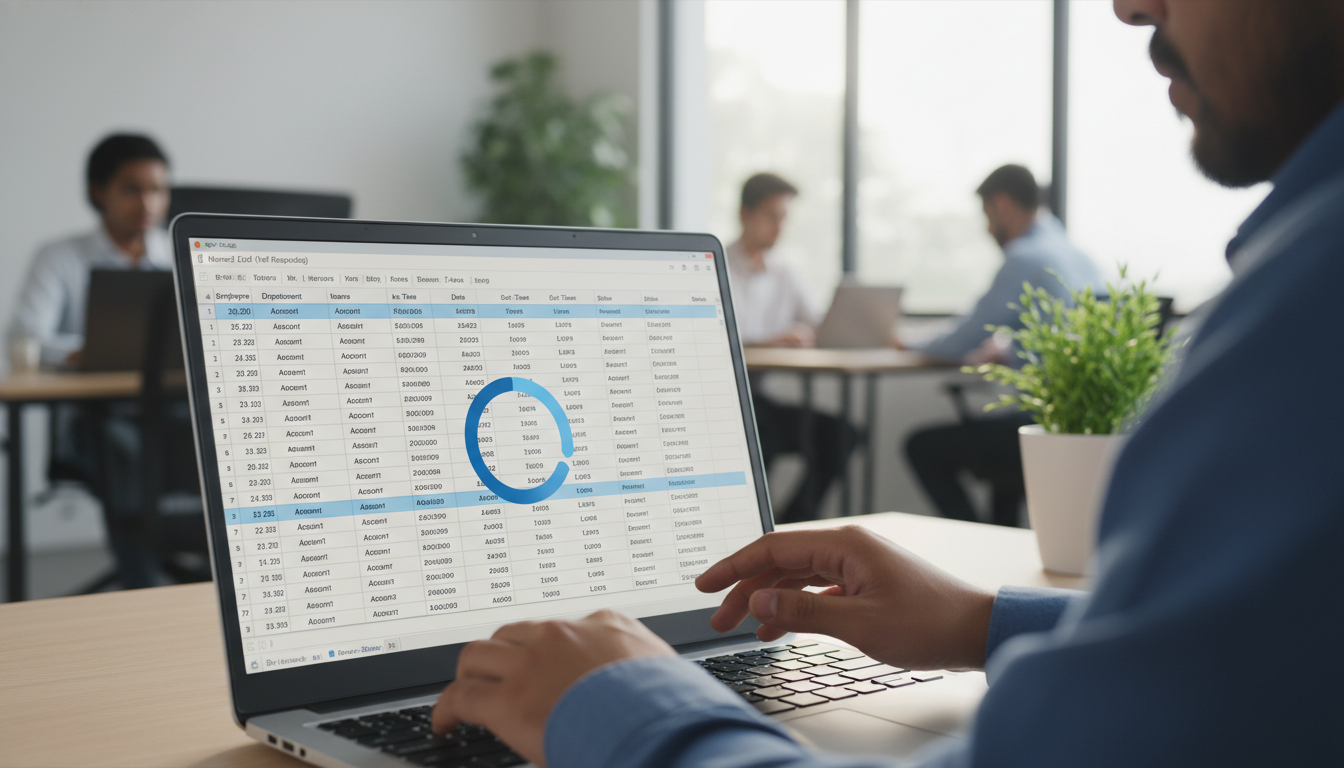
Excel slows down as your team grows. At 50 employees, it’s sluggish. At 100, it crashes. At 200, it’s basically unusable. You’ll notice shift scheduling challenges first. Managing multiple shifts, locations, and departments in one Excel sheet becomes a nightmare. Then come the Excel duplication errors. Same employee listed twice. Same leave request counted twice. Same overtime entry missed entirely. Growing Bangladeshi businesses hit this wall fast. You hire more people to handle the complexity. But that just creates more room for mistakes.
3) Lack of Integration and Automation
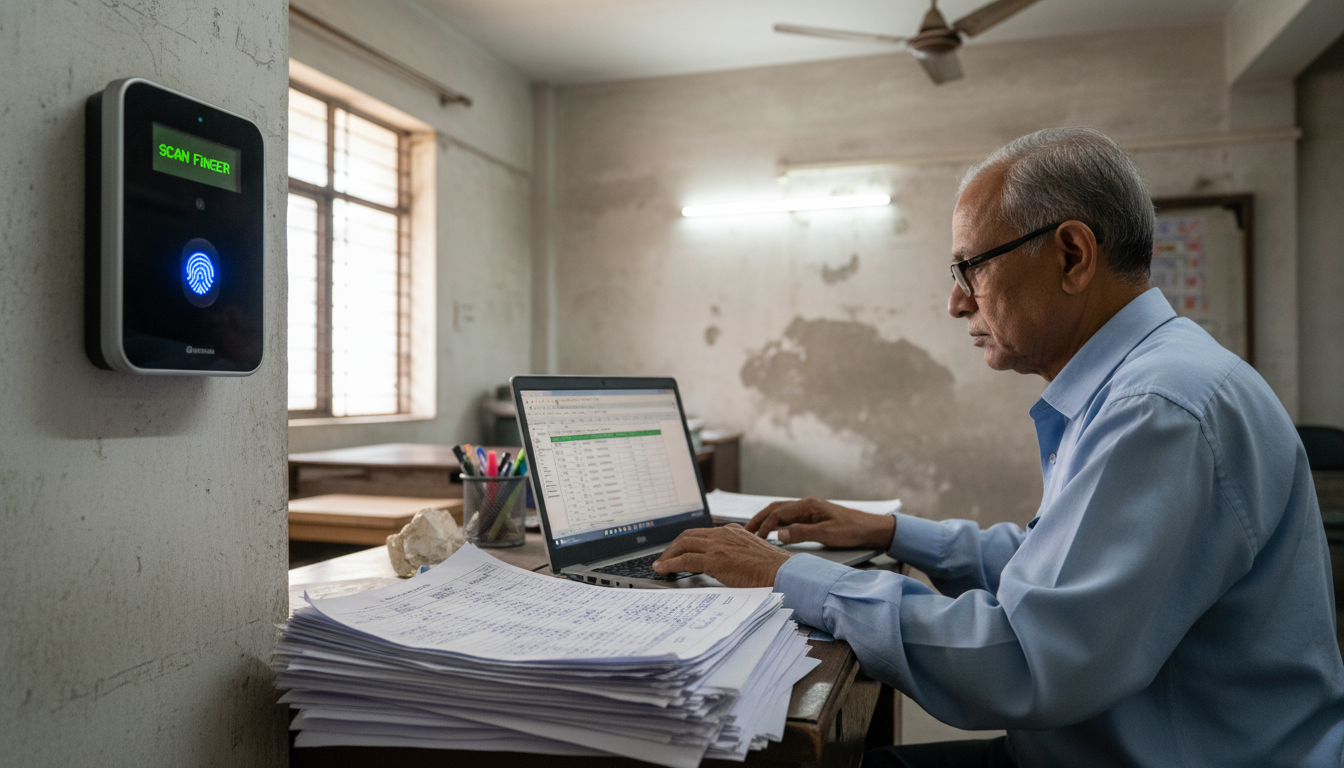
Your biometric attendance machine? It can’t talk to Excel automatically.
Someone has to export the data. Upload it. Format it. Match employee IDs. Fix mismatches. Every Single Day.
There’s no real-time sync with attendance machines. Which means your attendance data is always outdated. Always incomplete. And don’t even think about integrating payroll, leave management, and employee databases. That would require multiple Excel files, manual cross-referencing, and constant updates across sheets. HR process bottlenecks multiply. What should take minutes takes hours. What should be automatic becomes manual.
4) Security and Data Protection Challenges
Here’s a scary truth: anyone with access to your Excel file can change anything. There’s limited access control for sensitive HR data. No proper audit trails. No way to track who edited what, when, and why. Your employee salary data is sitting in a shared folder. Or worse being emailed around. Or saved on someone’s personal laptop. Data loss risks in Excel are real. One accidental deletion. One corrupted file. One stolen laptop. And suddenly, months of HR ( HR software read more….) data are gone. Bangladesh labor law compliance requires you to maintain records for years. But Excel makes that incredibly risky.
5) Difficulty with Compliance and Complex Calculations
Bangladesh has specific labor laws around overtime, leave encashment, festival bonuses, and salary deductions. Try coding all that into Excel formulas. Go ahead. We’ll wait.
Overtime calculation errors are extremely common. Because overtime rules aren’t simple. Different rates apply for different days. Different employees have different contracts. Excel can’t handle this complexity without becoming a formula maze that only one person understands. And when that person leaves? You’re in trouble. HR compliance in Bangladesh requirements keep changing. New policies. New laws. New rates.
Good luck updating 50 interconnected formulas every time something changes.
6) Limited Data Visibility for Strategic Decision-Making
Your CEO asks: “What’s our average monthly overtime cost?” You need 3 hours and 5 Excel files to answer. Excel doesn’t give you HR dashboard insights. No real-time reports. No trend analysis. No predictive data. You’re drowning in data but starving for insights.
Time and attendance analytics don’t exist in Excel unless you manually create pivot tables and charts. Which is time you don’t have. Strategic HR decisions need real-time clarity. Excel gives you yesterday’s data, processed manually, presented in static sheets.
Hidden Risks of Scaling HR & Attendance Processes With Excel
Most businesses don’t see the hidden costs until it’s too late. You think Excel is “free.” But it’s costing you every month. Here’s what you’re actually losing:
Time: Your HR team spends 20-30 hours a month on manual data entry and verification. That’s basically a full-time job. Just for attendance and payroll admin.
Money: Payroll calculation mistakes lead to corrections, disputes, and sometimes legal issues. Each mistake costs you trust, time, and actual cash.
Employee trust: When salaries are consistently wrong, employees lose confidence. They start looking elsewhere. Your best people leave first.
Growth opportunities: Your HR team should be recruiting, training, and building culture. Instead, they’re stuck updating Excel sheets.
Competitive edge: Your competitors are automating. They’re moving faster. They’re making better decisions with real-time data.
You’re stuck in manual mode!
Why Growing Bangladeshi Businesses Need a Unified HR & Attendance System
Here’s the truth: your business has outgrown Excel. It’s not your fault. Excel is a tool. A good one. Just not for this. Growing businesses need systems that:
Scale automatically. Handle 50 employees or 500 without slowing down.
Connect everything. Attendance feeds into leave management. Leave management feeds into payroll. Payroll connects to bank transfers.
Reduce manual work. Automate what can be automated. Let your team focus on strategy, not data entry.
Provide real-time insights. See what’s happening now, not what happened last week after someone compiled the data.
Ensure compliance. Built-in Bangladesh labor law compliance. Automatic overtime calculations. Proper audit trails.
Protect data. Role-based access. Encrypted storage. Backup and recovery.
This isn’t about fancy features. It’s about running your business smoothly.
What Modern HR & Attendance Systems Offer (That Excel Can’t)
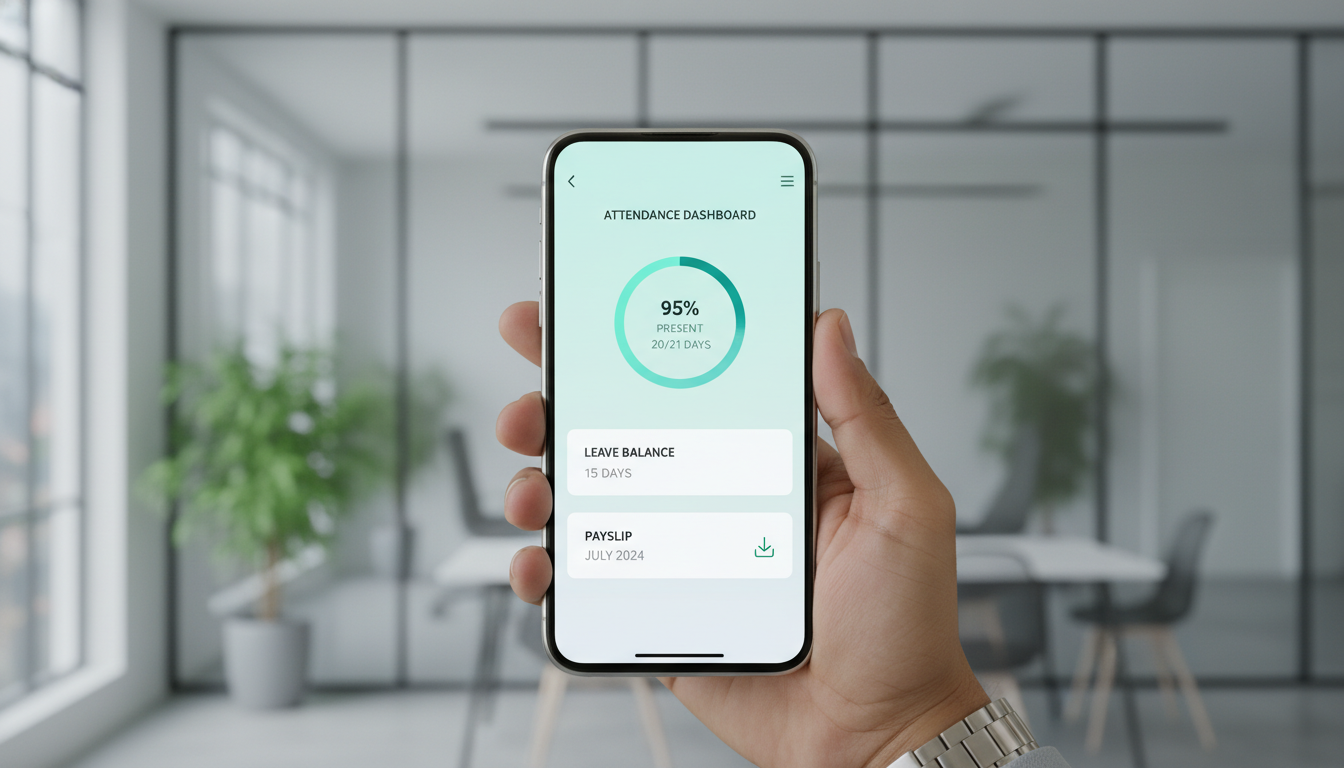
Let’s get specific. Modern HR software Bangladesh solutions do things that Excel simply cannot:
Biometric integration that syncs attendance data in real-time. No manual exports. No data entry. Just automatic, accurate records.
Mobile app attendance for field staff, remote workers, or multi-location teams. Employees can mark attendance from anywhere. You can track it all centrally.
Geo-fencing attendance that verifies location. So you know your sales team is actually at client sites, not marking attendance from home.
Automated salary calculation based on actual attendance, approved leaves, overtime hours, and deductions. Zero manual formula work.
Leave approval workflow where employees request leave, managers approve, and the system updates everything automatically.
Employee self-service portal where staff can view their payslips, attendance records, leave balance, and more. Without bothering HR.
Role-based dashboards showing relevant data to each person. HR sees everything. Managers see their team. Employees see their own records.
Instant payroll reports are generated in seconds. By department. By location. By any metric you need.
Multi-level access permissions ensure that only authorized people can view or edit sensitive data.
Automated overtime calculation following Bangladesh labor laws. No manual work. No errors.
Error-free attendance logs with complete audit trails. You know exactly what changed, when, and by whom.
Excel can’t do any of this Period.
Business Benefits of Switching to HR Software
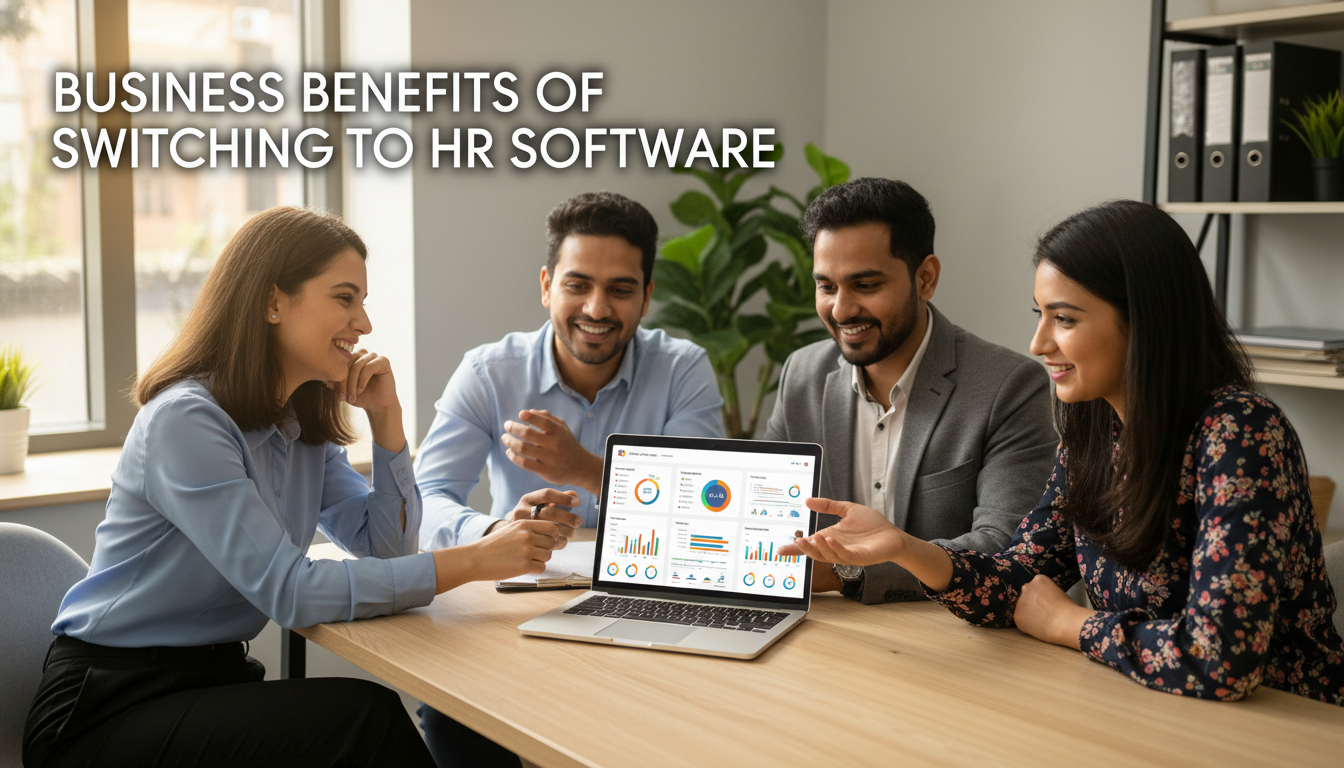
Let’s talk results. What actually happens when Bangladeshi businesses switch from Excel to proper HR automation in Bangladesh?
Higher Accuracy in Salary Calculations
Payroll calculation mistakes drop to near zero. The system calculates based on actual data. Approved leaves. Recorded attendance. Overtime hours. Deductions. No human intervention means no human error. Employees get accurate salaries every month. Trust increases. Complaints disappear.
Faster Payroll Processing
What took 2-3 days now takes 2-3 hours. Automated timesheets eliminate data entry. Calculations happen automatically. Reports generate instantly.
Your payroll processing speed increases by 80-90%. Your HR team gets time back for actual HR work.
Improved Transparency & Employee Satisfaction
Employees can check their own attendance. View their payslips. See their leave balance. They don’t need to ask HR for basic information. They don’t need to wait for responses. HR transparency builds trust. Employee satisfaction tools reduce friction. People feel respected and informed. When employees trust the system, they trust the company.
Better Decision Making With Real-Time Reports
Your CEO asks: “What’s our overtime trend this quarter?” You pull up a report in 30 seconds.
Data-driven HR decisions BD become possible. You spot patterns. You identify issues early. You optimize costs. Real-time attendance tracking shows you who’s consistently late, who’s overworking, who’s taking excessive unplanned leave. You make better hiring decisions. Better scheduling decisions. Better budget decisions. Because you have actual data, not gut feelings.
How to Choose the Right HR & Attendance Software in Bangladesh
Not all attendance management software is created equal. Here’s what to look for:
Local compliance. Must follow Bangladesh labor laws. Festival bonuses. Leave encashment. Overtime rules. All built in.
Biometric sync. Should work with the common biometric attendance system BD devices already used in Bangladesh.
Mobile access. Essential for modern workforces. Field staff. Remote teams. Multi-location businesses.
Cloud-based. No server setup. No IT headaches. Access from anywhere. Automatic backups.
Easy to use. If your team needs training for weeks, it’s too complex. Good software is intuitive.
Local support. When you have issues, you need help in Bangla, during Bangladesh business hours.
Scalable pricing. Should work for 20 employees or 200. Pay for what you use.
Integration options. Should connect with your bank for salary transfers. Export data for accounting software.
And most importantly: try before you buy. Request an HR software demo BD. Test it with real data. See if it actually solves your problems.
Why HR Management in Bangladesh Must Go Beyond Simple Attendance Tracking
Attendance is just the start. Real HR digitalization in Bangladesh includes:
Performance management. Track goals. Log reviews. Link performance to pay.
Document management. Store contracts, certificates, and policies digitally. No more file cabinets.
Employee onboarding automation. New hire checklists ( HR System Implementation Checklists …). Automatic document requests. Structured first-week plans.
Policy enforcement tracking. Who acknowledged the new policy? Who completed mandatory training?
Workforce productivity tracking. Beyond just hours worked. Actual output. Project completion. Task management.
HR reporting tools that show turnover rates, hiring costs, training ROI, and department-wise analytics.
Modern businesses need workforce management platforms, not just attendance trackers.
Technical Limitations of Excel That Impact HR & Attendance in Bangladesh
Let’s get technical for a moment. Even if you’re an Excel expert, these problems are unfixable:
1) No Real-Time Sync With Attendance Machines
Excel is a static file. Your biometric device is a separate system. Someone must manually export, format, and import data. Every single day. Biometric ( Biometric Attendance App ) sync issues aren’t about skill. They’re about architecture. Excel wasn’t designed for this.
Modern systems use APIs and automated data pipelines. Attendance data flows automatically from device to software. No human involvement.
2) Difficult to Maintain Audit Trails
Who changed this salary figure? When? Why? Excel can’t tell you. Not reliably.
You can enable “Track Changes,” but it’s clunky, limited, and easily circumvented. Audit trails HR systems maintain complete logs. Every login. Every change. Every approval. Timestamped and attributed. This matters for compliance. It matters for disputes. It matters for accountability.
HR Cloud Vendor Security Audits….
3) Limited Access Control for Sensitive HR Data
Excel has basic password protection. That’s it. You can’t give someone view-only access to attendance but edit access to leave records. You can’t limit managers to seeing only their team’s data. It’s all or nothing.
Multi-user access control in modern systems is granular. HR sees everything. Managers see their teams. Employees see their own data. Accountants see salary sheets but not performance reviews. This is how you protect sensitive employee data properly.
4) No Mobile Access for Employees
Your employee is traveling. They need to check their leave balance or view last month’s payslip.
With Excel? They have to call HR and wait.
Mobile attendance app BD solutions let employees access their data anytime, anywhere. Submit leave requests. Mark attendance. View documents. This isn’t a luxury anymore. It’s an expectation.
Geofencing in Mobile HR Cloud Access….
How HR Software Improves Efficiency in Bangladeshi Small Businesses
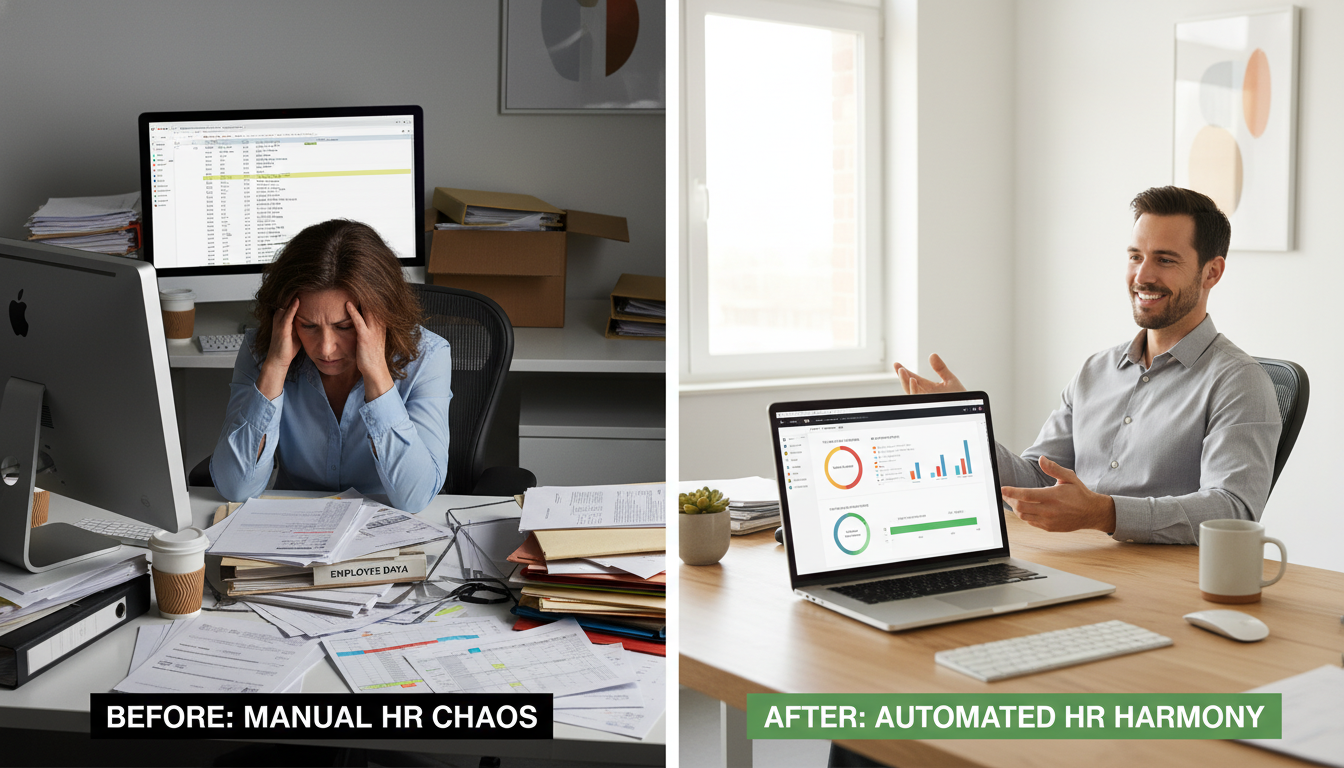
Real talk: Will this actually make your life easier?
Yes. Here’s how:
Admin workload reduction of 60-70%. Less data entry. Less verification. Less back-and-forth. Your HR team stops being data processors. They become strategic partners.
Reduce HR operational cost by eliminating redundant work. One person can manage what used to require three.
Save time every month that was spent on payroll prep, attendance compilation, and leave tracking.
Eliminate payroll errors that cost you money, time, and employee trust.
Improve employee trust through transparency and accuracy. People stay longer when they trust the system.
Stronger staff accountability because attendance data is automatic and tamper-proof.
Better decision-making for growth because you have real data, real insights, real trends.
HR automation ROI is usually visible within 3-4 months. Faster payroll. Fewer errors. Happier employees. And your HR team actually enjoys their work again.
Ready to Move Beyond Excel?
Your business has grown. Your HR processes need to catch up. Excel served you well. But it’s time to upgrade.
Tipsoi offers a complete HR & attendance management system built specifically for Bangladeshi small and medium businesses. Real-time biometric integration. Mobile attendance. Automated payroll. Bangladesh labor law compliance is built in.
And a local team that actually understands how HR works in Bangladesh. Want to see how it works?
Stop fighting with Excel. Start running HR like a modern business.