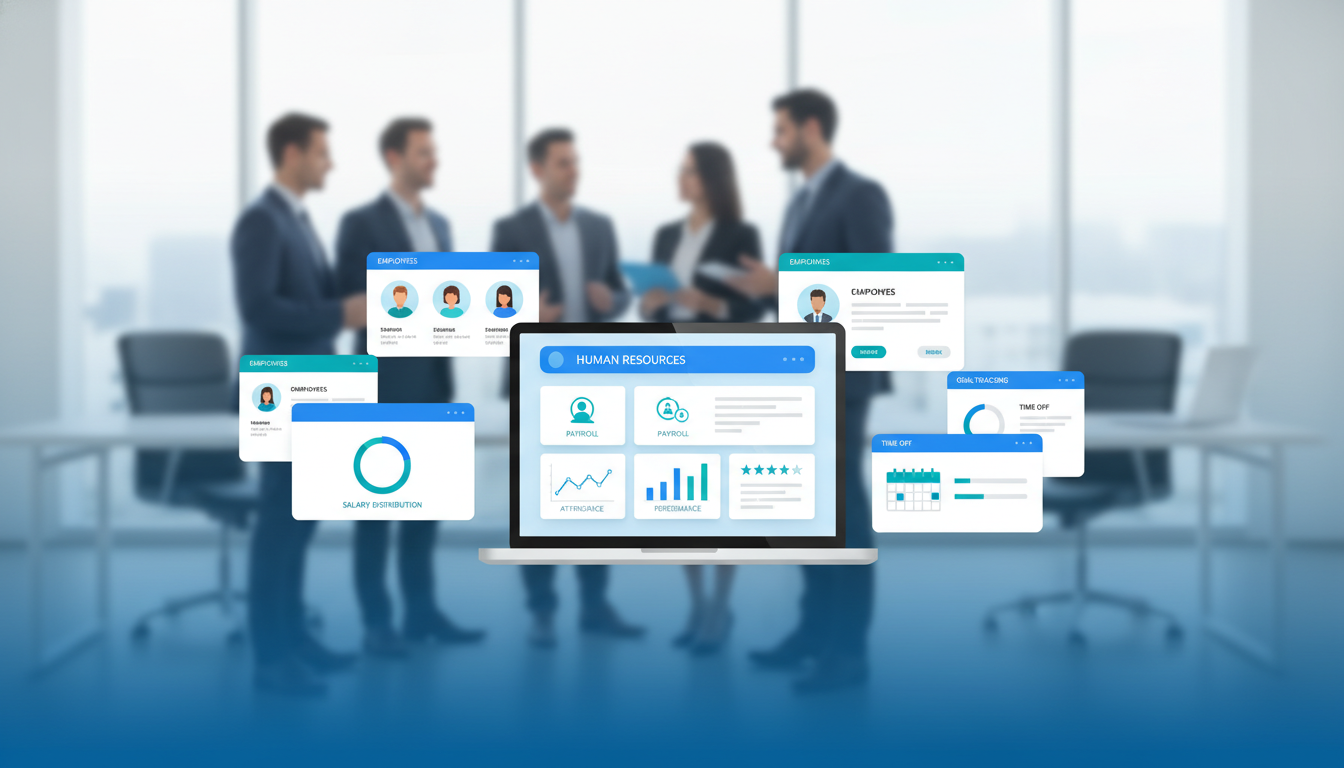

HR Used to Run on Paper, Now It Runs on Intelligence.
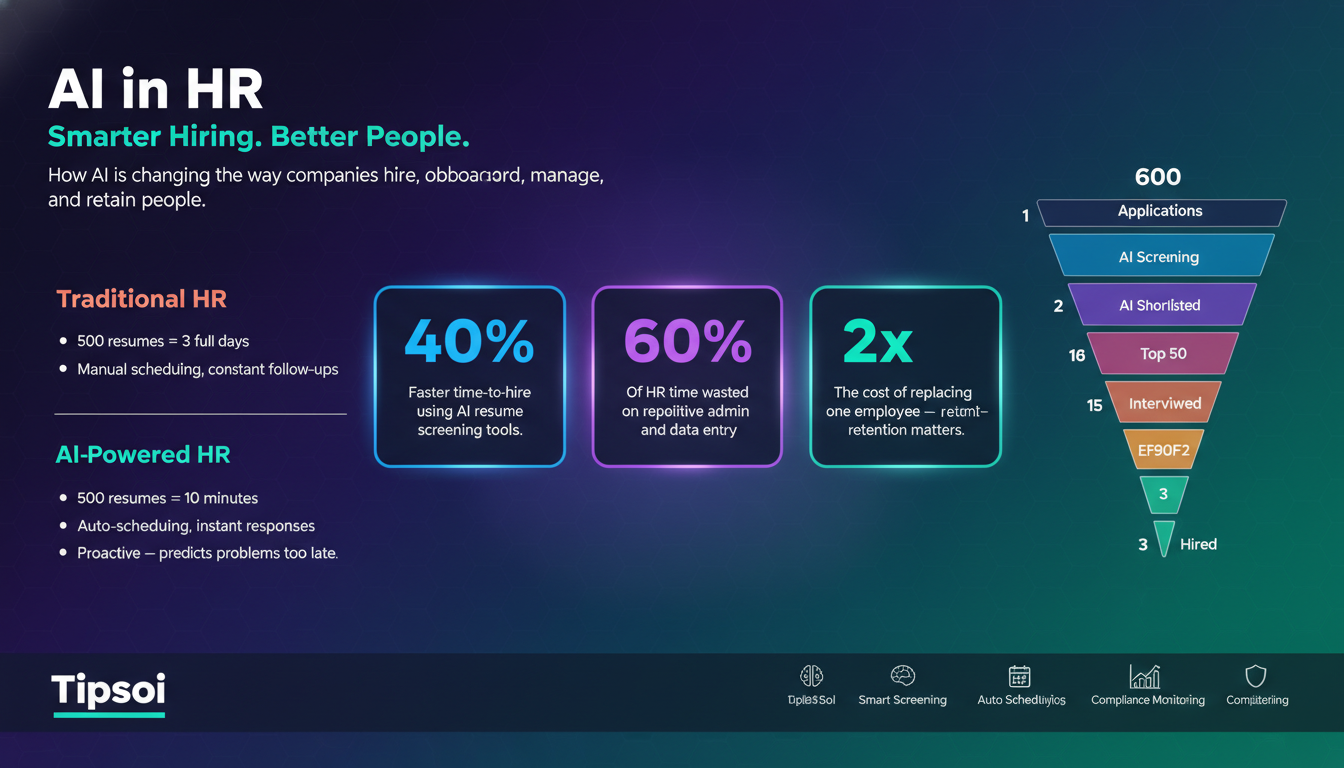
Picture a recruiter drowning in 600 applications on a Monday morning. Coffee going cold. Inbox exploding. A great candidate buried on page four.
That used to be normal. It shouldn’t be.
AI in HR is changing how companies hire, onboard, manage, and keep their people. It’s not a distant future concept. It’s what smart HR teams are doing right now, today.
But here’s what most articles won’t tell you: AI doesn’t replace the human part of HR. It removes the exhausting stuff so humans can focus on the meaningful stuff.
This guide breaks it all down. No fluff. No jargon. Just what AI in HR actually does, how it works, and why it matters for your team.
Whether you’re building a team from scratch or scaling fast, keep reading.
What Is AI in HR ?
AI in HR means using smart software to handle human resources tasks. Think of it as a very fast, very focused assistant that never sleeps and never misses a deadline.
It uses machine learning, natural language processing, and predictive data models. These tools help HR teams make quicker, smarter, and fairer decisions.
And here’s the important bit: it’s not magic. It’s math. Feed it good data and it does impressive things. Feed it bad data and it learns bad habits.
What Falls Under AI in HR:
- Resume screening and candidate ranking
- Automated interview scheduling
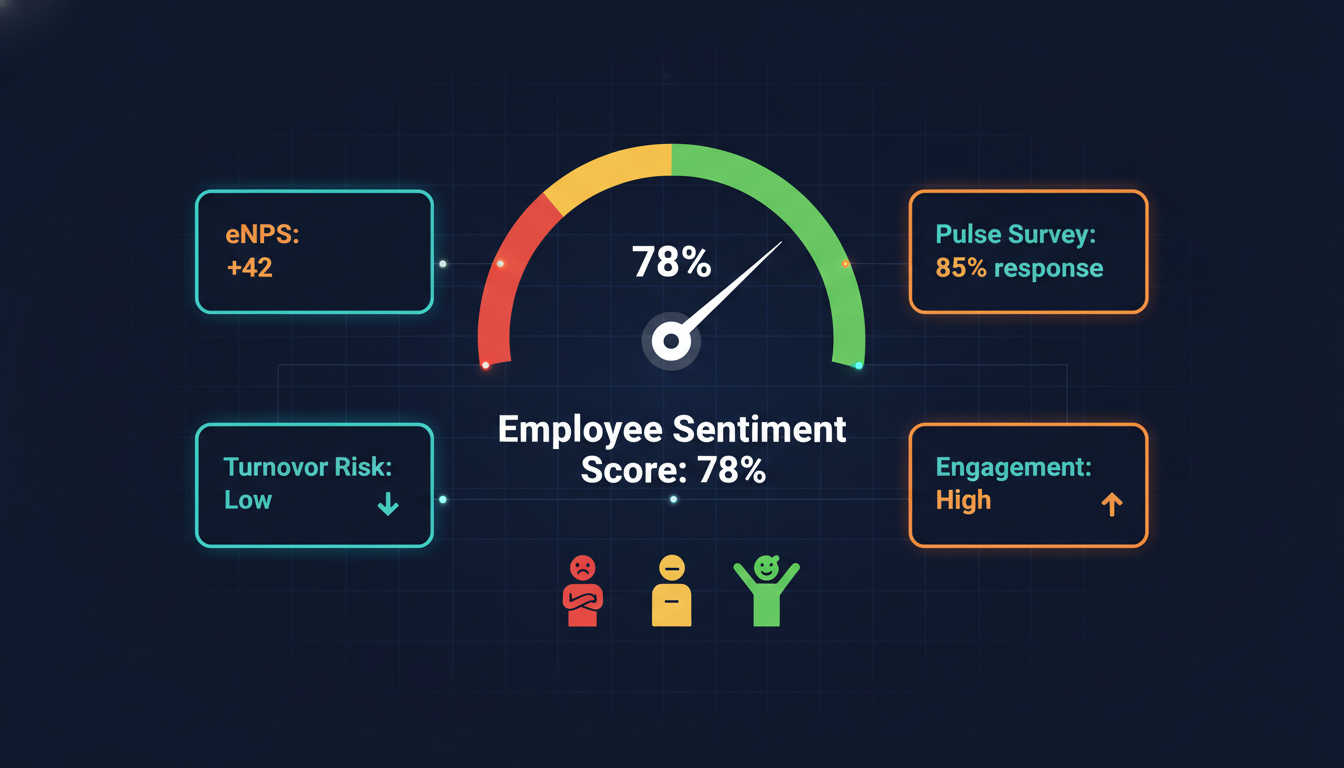
- Employee sentiment and engagement analysis
- Predictive analytics for turnover risk
- Personalized learning and development paths
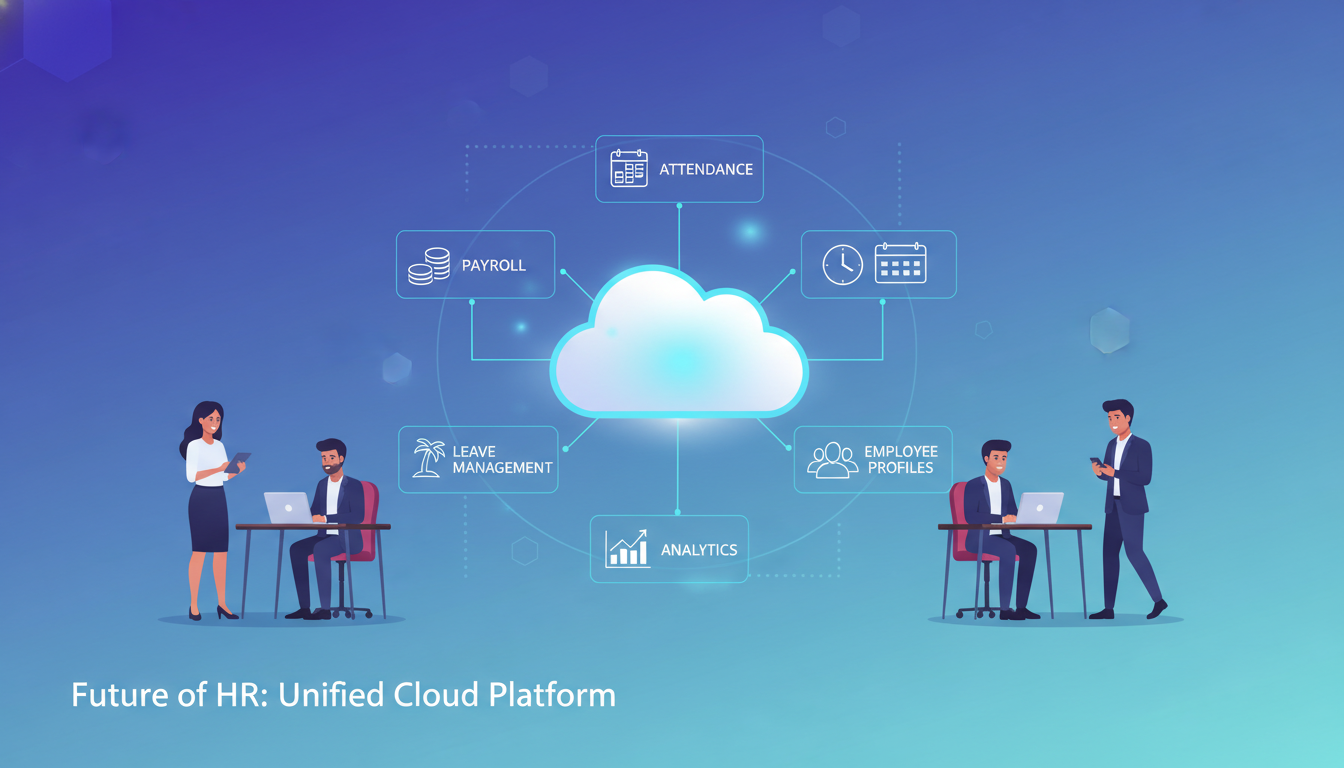
- Payroll automation and compliance monitoring
These tools are built to reduce the volume of repetitive work. So HR professionals can spend more time on the conversations that actually matter.
Why Traditional HR Is Running Out of Steam
Old HR processes weren’t designed for the pace of modern business. They were built for a different era, when teams were smaller and hiring moved slower.
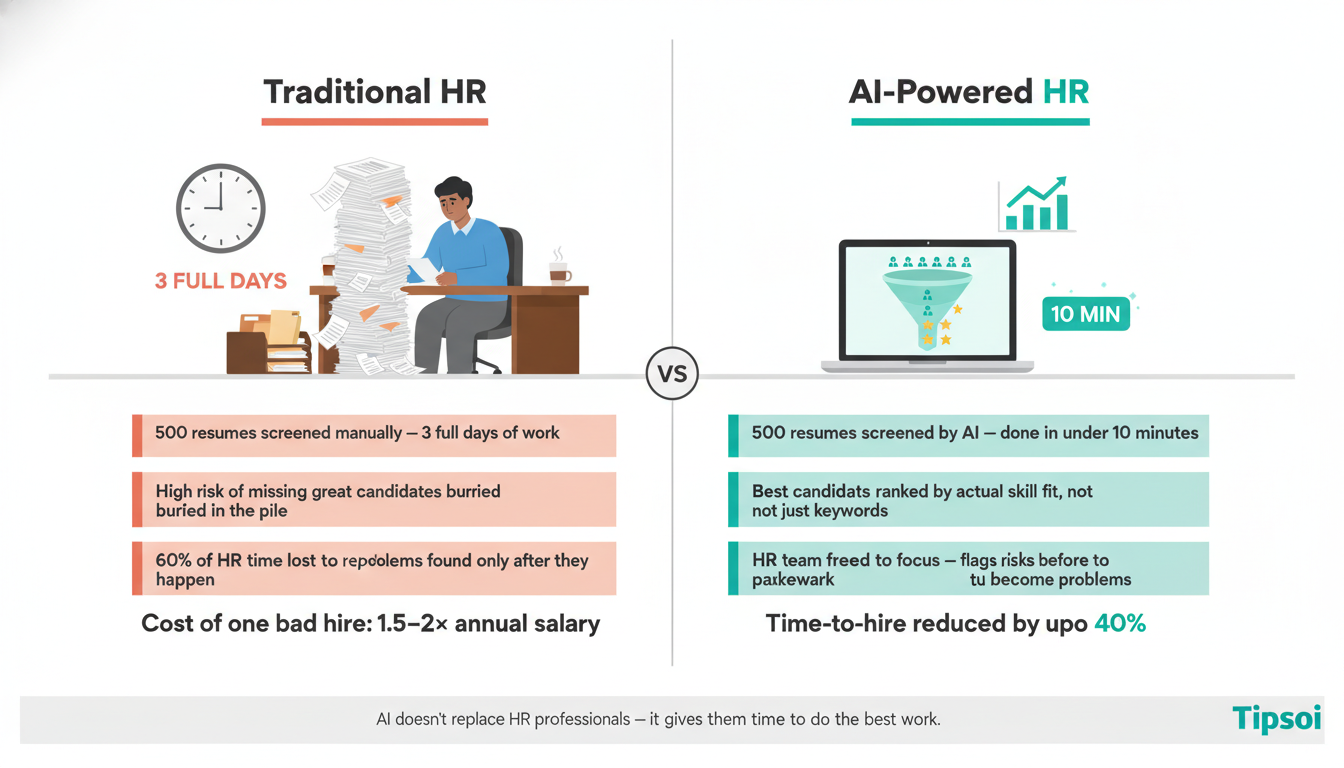
A recruiter manually sorting through 500 resumes takes three full days. An AI screening tool handles the same task in under 10 minutes. That’s not a small upgrade. That’s a week of someone’s life handed back to them.
There’s also a burnout issue nobody talks about enough. HR teams are spending 60% of their time on administrative work. Data entry. Scheduling. Policy emails. Follow-ups.
They’re too buried in process to actually do people work. AI bridges that gap. It handles the process. HR handles the people.
How AI Speeds Up Recruiting and Talent Acquisition
Recruiting is where most businesses first notice AI in HR at work. And it shows up in ways that change the whole experience, for both the recruiter and the candidate.
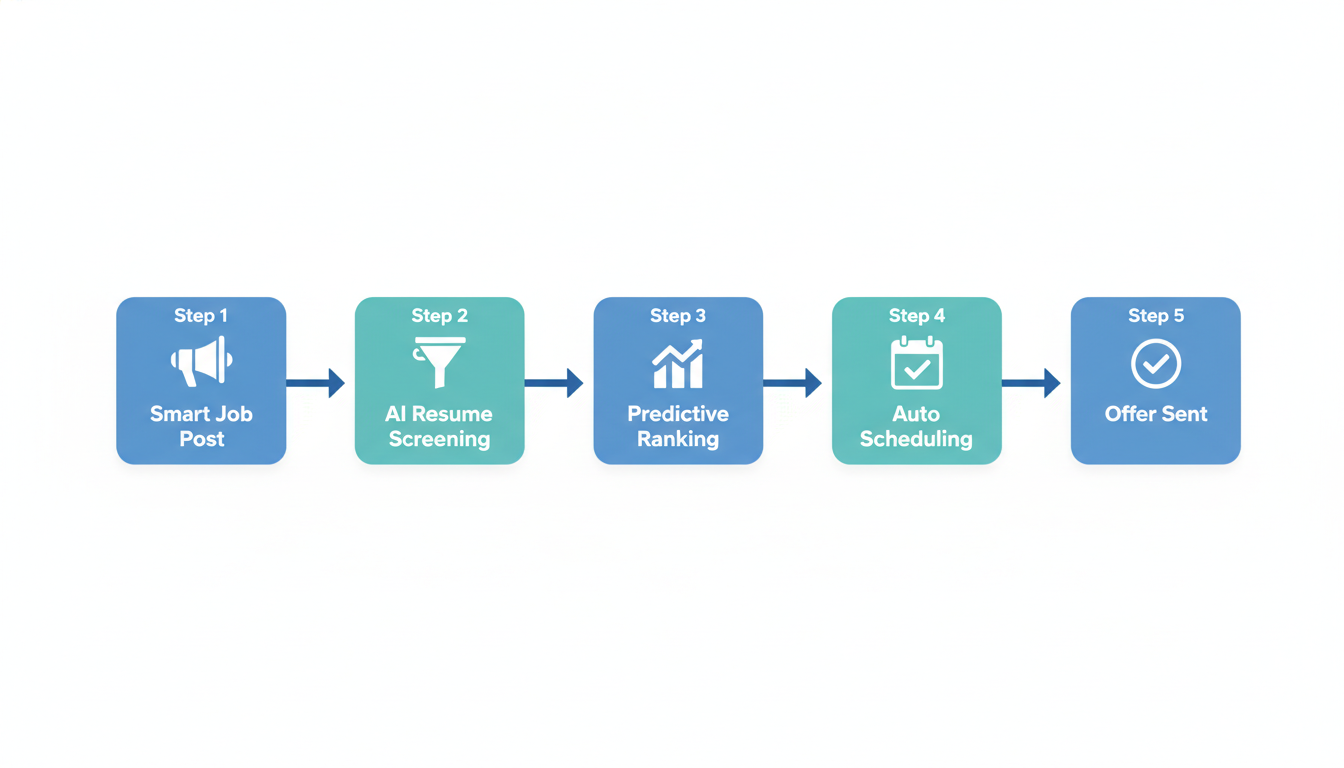
Job posts become smarter. Screening gets faster. Outreach feels more personal. The whole hiring pipeline moves at a different speed.
Think of traditional recruiting like fishing with one rod in a huge lake. AI-powered recruiting is casting a smart net that already knows where the fish are.
1. AI Resume Screening Tools That Actually Work
AI screening tools scan hundreds of resumes in seconds. They match skills, experience, and context to your job requirements. Then they rank candidates by actual fit, not just keyword count.
Platforms like Workday, Greenhouse, and Lever use AI to do exactly this. Companies using them cut their time-to-hire by up to 40%. That’s real time saved. Real money saved.
The smarter tools don’t just match keywords. They understand context. They know that “led cross-functional teams” and “team leadership” mean the same thing.
2. Predictive Hiring: Getting It Right Before Day One
Predictive hiring uses patterns from your top performers to find candidates who match. It looks at behavior signals, skill indicators, and cultural alignment cues.
It’s not 100% accurate. Nothing in HR is. But it removes a big chunk of guesswork from the process.
And when you’re hiring fast, removing guesswork saves you from expensive mis-hires down the line.
AI-Powered Job Descriptions That Actually Attract People
Bad job descriptions are expensive. They repel great candidates. They attract the wrong ones. They waste everyone’s time.
Most job posts are either too vague or way too long. Full of corporate-speak that says nothing. Or 47 bullet points that say everything and still mean nothing.
AI tools like Textio and Ongig analyze your job descriptions in real time. They flag gendered language. They suggest stronger, more inclusive words. They predict performance before you even publish.
Better job descriptions = better candidates = faster hires. It’s that simple.
The Role of AI Chatbots in HR Communication
Nobody enjoys waiting four days for a reply after submitting a job application. That silence feels dismissive. It kills candidate experience before it even starts.
HR chatbots solve that. They respond instantly. They confirm applications. They answer FAQs. They walk candidates through the process at 2 a.m. if needed.
They also handle internal questions from existing employees. Benefits details. Leave balances. Payroll timelines. Policies that HR gets asked about 30 times a week.
Instead of HR answering the same question again and again, the chatbot handles it. Every time. Consistently. And HR gets their time back.
How AI Transforms the Onboarding Experience
Onboarding is your first real impression as an employer. And first impressions have a habit of sticking around longer than we expect.
A bad onboarding experience doesn’t just leave new hires confused. It plants a seed of doubt. It makes them wonder if they made the right choice.
AI makes onboarding smoother, faster, and more personal. New hires get customized checklists. Automated document workflows. Role-specific training paths. Everything waiting for them on day one.
There’s a Bangladeshi saying that captures this well: “Shuru bhalo hole shesh bhalo hoy.” If the beginning is good, the end will be good too. Onboarding is that beginning.
When employees start strong, they stay longer and perform better. That’s not a theory. That’s what the data shows.
Personalized Onboarding Journeys for Every Hire
AI onboarding systems track each new hire’s progress individually. They send reminders when steps are overdue. They adjust the pace based on how someone is moving through the process.
It’s like giving every single new employee their own dedicated onboarding guide. Without adding a single person to your HR headcount.
For remote teams especially, this level of structure and personalization is a genuine game changer.
Employee Engagement: What AI Can and Cannot Do
AI can measure engagement with real accuracy. It analyzes pulse survey responses. It tracks sentiment patterns in internal communications. It spots trends that human eyes miss.
But it cannot replace genuine human connection. It cannot build trust through a screen. It cannot make an employee feel truly valued.
Think of AI engagement tools as a thermometer. They tell you when the temperature is off. But a good manager still has to figure out why. And then fix it.
Platforms like Glint, Leapsome, and Qualtrics use AI to process employee feedback at scale. They surface patterns in minutes. HR can then act on those patterns before small frustrations become resignation letters.
Performance Management Gets a Serious Upgrade
Annual performance reviews are dying a slow death. And honestly? Nobody will miss them.
They’re stressful. They’re backward-looking. They’re often more about manager perception than actual performance. And they happen so rarely that they capture almost nothing useful.
AI-driven performance tools change this completely. They track progress continuously. They pull data from multiple touchpoints. They give managers a fuller, fairer, and more honest picture.
Continuous feedback loops replace once-a-year reviews. Employees know where they stand in real time. Managers have actual data to anchor difficult conversations.
Real-Time Feedback Systems That Build Better Teams
Tools like Betterworks and Lattice use AI to support continuous goal tracking. They flag when a team member is stuck or falling behind a milestone.
They even suggest conversation topics for manager check-ins. Based on real data, not a generic template.
This makes performance conversations less awkward and genuinely more useful. Employees appreciate the transparency. Managers appreciate the structure.
HR Analytics: Turning People Data Into Real Decisions
Most companies are sitting on a goldmine of people data. They’re just not reading it.
Attendance records. Engagement scores. Turnover patterns. Training completion rates. It’s all there. But in spreadsheets nobody has time to analyse properly.
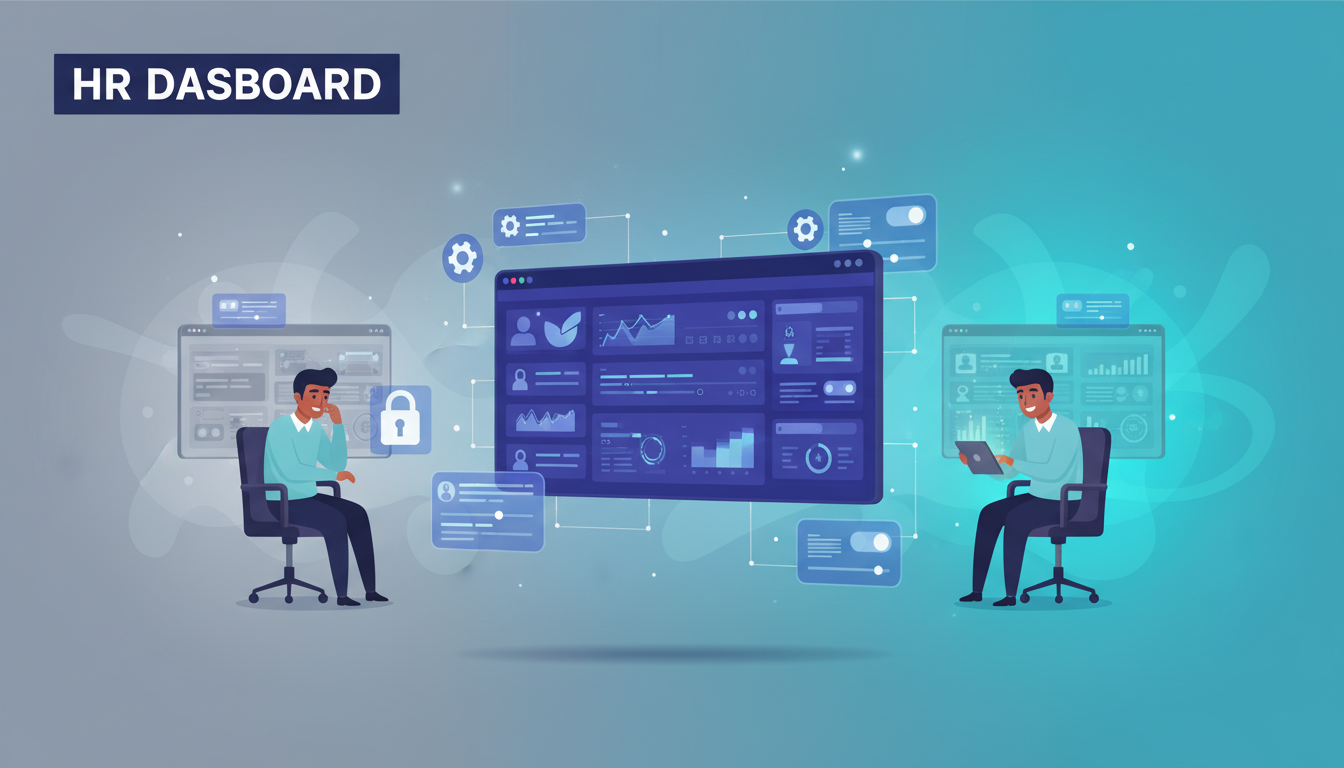
AI-powered HR analytics platforms change that. They connect the dots automatically. They surface insights that would take a human analyst weeks to find. And they present it in a way the C-suite can actually use.
This is not just reporting. This is strategic intelligence. And it changes how HR earns its seat at the leadership table.
What Is Workforce Analytics and Why Does It Matter?
Workforce analytics means using data to understand your people at scale. Who’s thriving. Who’s struggling. Where your skill gaps are. Which teams are at retention risk.
AI accelerates all of this analysis. It identifies patterns humans miss. And it helps HR move from reactive to proactive.
According to SHRM’s research on HR technology, companies using people analytics are significantly more likely to make stronger talent decisions and improve business outcomes.
The numbers are compelling. The opportunity is real.
Learning and Development: AI as a Personal Skills Coach
Every employee learns differently. At a different pace. In a different format. Preferring different content types.
Traditional training ignores all of that. It gives everyone the same course, at the same time, in the same format. And then wonders why completion rates are low.
AI-powered learning platforms build personalized development paths for each individual. They track what’s been completed. They recommend next steps. They adapt based on engagement and progress signals.
It’s like having a personal trainer for your career. One that actually pays attention to how you’re moving and adjusts the programme accordingly.
Platforms like Docebo, Cornerstone, and LinkedIn Learning use AI to do exactly this. Employees close skill gaps faster. Managers see measurable improvement. Companies build the capabilities they actually need.
AI Helps Reduce Hiring Bias — But It’s Not a Magic Fix
Unconscious bias is one of HR’s oldest and hardest problems. Humans bring history, assumptions, and blind spots into every hiring decision. Even the most fair-minded ones.
AI tools can help by removing names, photos, gender indicators, and demographic details from early screening stages. Candidates are evaluated on skills, experience, and relevance. Nothing else.
But here’s the honest truth that needs to be said: AI can inherit bias from its training data. If it learned from historically biased hiring decisions, it will replicate them. Sometimes silently.
The goal is using AI as a bias-checking layer. Not as the final decision-maker. Use it to challenge assumptions. Audit it regularly. And always keep a human in the loop on final calls.
Retention Prediction: Seeing Who Might Leave Before They Do
Losing a high performer is expensive. Estimates put the real cost of replacing an employee at 1.5 to 2 times their annual salary. That number should give any business leader pause.
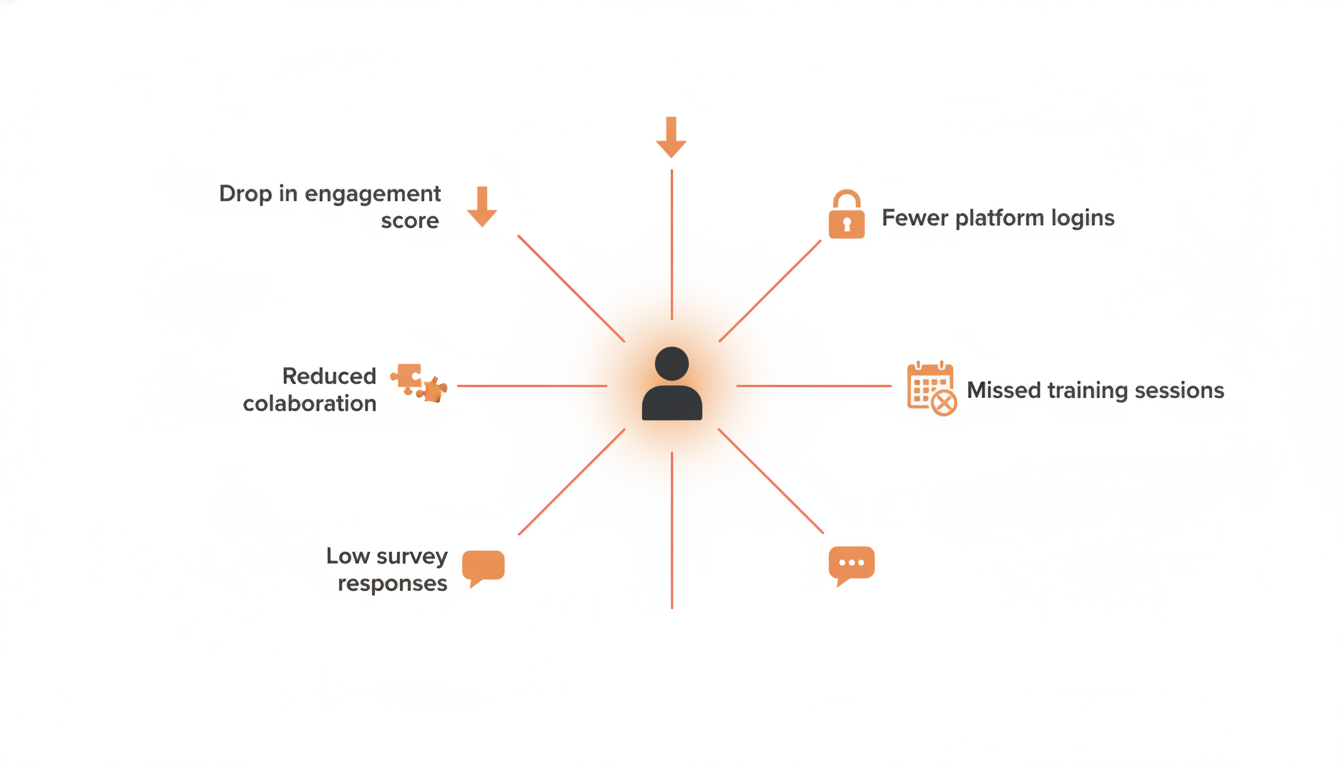
AI retention tools track early warning signals. Drops in engagement scores. Fewer logins to internal platforms. Missed trainings. Patterns that individually mean nothing. Together, they mean a lot.
These tools flag at-risk employees early. HR can then step in with a real conversation. A meaningful offer. A change that actually addresses what’s wrong.
This is proactive HR. Not reactive. And it’s the kind of approach that builds genuine loyalty.
Because here’s a question worth sitting with: would you rather spend $500 on a retention conversation now or $50,000 replacing someone you could have kept?
AI in Payroll and Benefits Administration
Payroll errors destroy employee trust at record speed. Nothing makes someone question their decision to work somewhere faster than a wrong paycheck.
AI automates payroll calculations with high accuracy. It catches errors before they go out. It handles tax compliance updates automatically. It runs on schedule, every time, without someone having to babysit it.
Benefits administration gets smarter too. AI helps employees understand their options in plain language. It personalizes benefits recommendations based on life stage, family situation, and actual usage patterns.
Less confusion. Fewer errors. Fewer support tickets. More trust. That’s the whole point.
HR Compliance and AI: Staying on the Right Side of Every Law
HR compliance is genuinely complicated. Labor laws update. Regional regulations differ. One missed policy change can create real legal exposure.
AI compliance tools actively monitor regulatory updates. They flag potential violations before they become problems. They maintain full audit trails. They make sure nothing slips through.
For growing companies especially, this is a massive advantage. You can’t afford a full compliance team for every jurisdiction. But you can afford a smart, always-on tool that watches for you.
And in a world where employment law is evolving faster than ever, that kind of coverage matters.
The Human Side of AI in HR: What You Should Never Automate
This is the section that separates good AI strategy from bad one. Not everything in HR should be handed to an algorithm. Some things require a real person in the room.
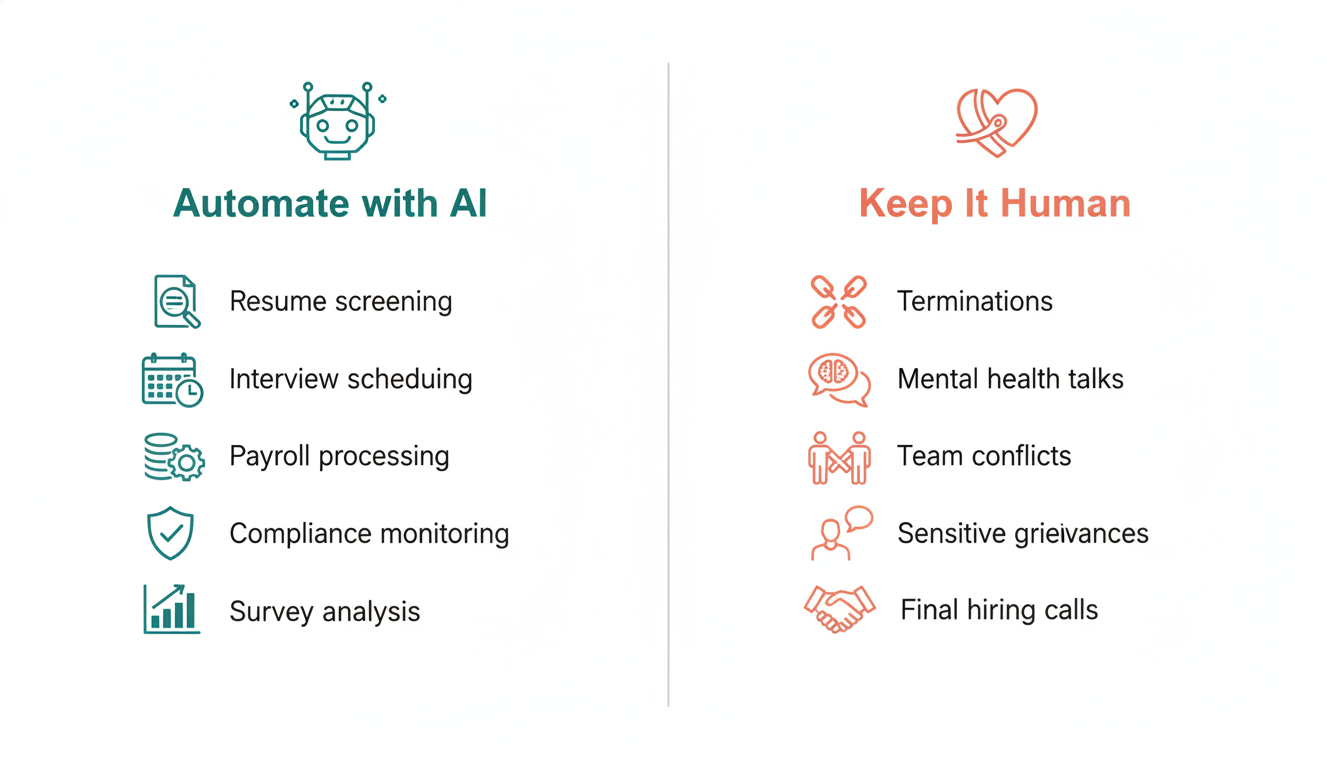
Terminations. Mental health conversations. Serious team conflicts. Sensitive grievances. Situations where tone, timing, and human judgment are everything.
A hammer is a great tool. But a hammer can’t perform surgery. AI is powerful. But it doesn’t have empathy, context, or conscience. Those still live with humans.
The best HR teams understand this balance exactly. They let AI handle the volume. They save their energy for the moments that can only be handled well by a human.
That’s not a limitation of AI. That’s actually the right design. AI frees up humans to be more human, not less.
How Tipsoi Brings AI-Powered HR to Your Team
Tipsoi is built for teams that want smarter HR without unnecessary complexity. We bring AI tools into your HR workflow in a way that’s simple, practical, and built for real business needs.
Whether you want to speed up hiring, reduce turnover, improve onboarding, or finally understand your people data, Tipsoi helps you get there. With clear tools. With real support. With results you can actually measure.
We work with companies across Bangladesh and beyond. Building smarter workplaces, one informed decision at a time.
Want to explore what AI-powered HR could look like for your team?
+8801313359294
Conclusion
AI in HR Isn’t Coming. It’s Already Here.
The companies already using AI in HR have a real advantage. They hire faster. They keep people longer. They spend less time on admin and more time on strategy.
AI doesn’t replace HR professionals. It gives them the bandwidth to do their best work. It handles the noise. Humans handle the meaning.
So here’s the question: are you building the kind of workplace that uses every tool available to make employees feel valued? Or are you still fishing with one rod in a very big lake?
Start with one problem. Pick one area where AI can remove friction. Test it. Measure it. Build from there. That’s how every smart transformation begins.
FAQs
1. What is AI in HR and how does it actually work?
AI in HR means using artificial intelligence tools to handle human resources tasks more efficiently. This includes screening resumes, scheduling interviews, analyzing employee engagement, predicting turnover, and automating payroll.
2. Can AI fully replace HR professionals?
No. AI handles repetitive, data-heavy, and rule-based tasks extremely well. But HR is fundamentally about people. Empathy, judgment, difficult conversations, and trust cannot be automated.
The best outcomes happen when AI and human HR professionals work together. AI reduces the volume of low-value work. HR focuses energy on high-value human interactions.
3. How does AI help reduce unconscious bias in hiring?
AI tools can remove identifying information like names, photos, and demographic details from early screening stages. Candidates are evaluated purely on skills, experience, and job fit.
However, AI can also inherit bias from historical training data. This means regular auditing is essential. AI is best used as a bias-checking layer, not as the final hiring decision-maker.
4. What HR tasks are most suitable for AI automation?
High-volume, repetitive tasks benefit most from automation. Resume screening, interview scheduling, onboarding workflows, payroll processing, compliance monitoring, and employee survey analysis are all strong candidates.
These are tasks where consistency and speed matter more than human nuance. Automating them frees HR teams to focus where nuance and human judgment matter most.
5. Is AI in HR practical for small businesses and startups?
Absolutely. Many modern AI HR tools are designed specifically for small and growing teams. They reduce manual work, improve consistency, and help smaller businesses compete for talent against much bigger companies.
You don’t need an enterprise budget or a dedicated tech team to get started. You just need a clear problem to solve and the right tool to solve it