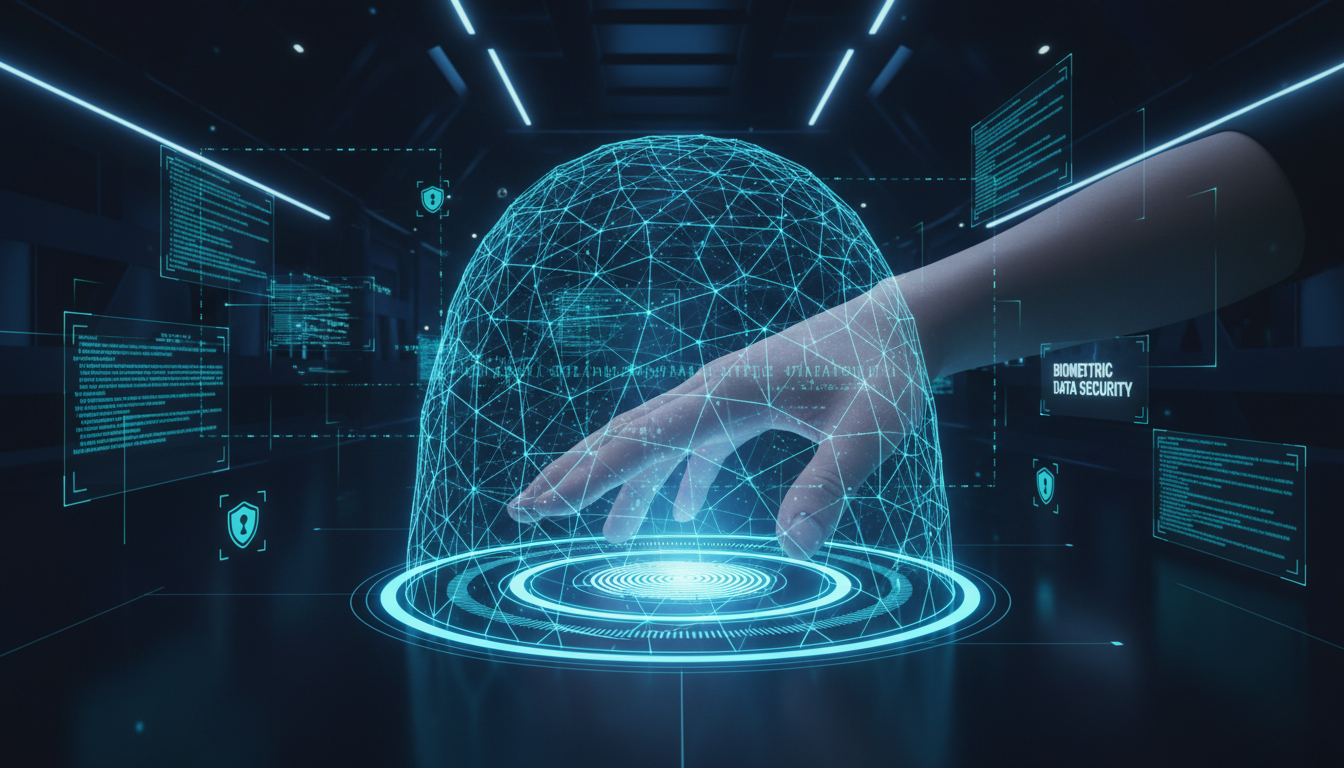
Your fingerprint is not a password. You cannot change it if someone steals it. That is what makes biometric data security so important. Every time you open your phone with your face or touch a scanner at a bank, your body is your key. But who keeps that data, and is it really safe?
This guide explains it all in plain, simple words.
What Counts as Biometric Data? Types Used in Bangladesh
Biometric data is information about your body that only belongs to you. No two people share the same set. Here are the most common biometric data examples used today:
- Fingerprints — used in national ID biometric data sign-up in Bangladesh
- Face shape — used in face-scan apps and mobile phones
- Iris patterns — the tiny lines inside your eye, used for very safe entry points
- Voice patterns — used when you call a bank or service line
- Hand shape — used at borders and high-security buildings
- DNA profiles — used by police and some government offices
In Bangladesh, fingerprint and facial biometrics are the two most used biometric identifiers. The Election Commission collects both when you sign up for your National ID (NID). These are called biometric traits, body features that are one of a kind. Millions of lives are now linked to these common biometric modalities systems most people never see or control.
Is Biometric Data Secure in Bangladesh? Public Safety vs Privacy
Bangladesh has done a lot to build digital ID systems. But this raises a big question: does tracking body data keep us safe or put our private lives at risk?
Biometric surveillance security can help catch bad people, stop fraud, and check who someone is very fast. But biometric privacy concerns in Bangladesh are growing. Many people do not know how their body data is kept, who can look at it, or what biometric data regulation in Bangladesh actually says.
| Factor | Good Side (Safety) | Bad Side (Privacy) |
| National ID Database | Checking who you are is faster | If hacked, everything is gone |
| Fingerprint at Banks | Stops fake identities | Data may be passed to others |
| Face-Scan Cameras | Helps find criminals | Watches everyone without asking |
| Border Body Scans | Safe entry and exit | Other countries may get your data |
The public safety vs data privacy debate is not simple. Government biometric monitoring can protect people but only with strong citizen data protection laws. Right now, Bangladesh has no full personal data protection law. That is a real problem.
How Biometric Data Is Protected in Bangladesh Systems ?
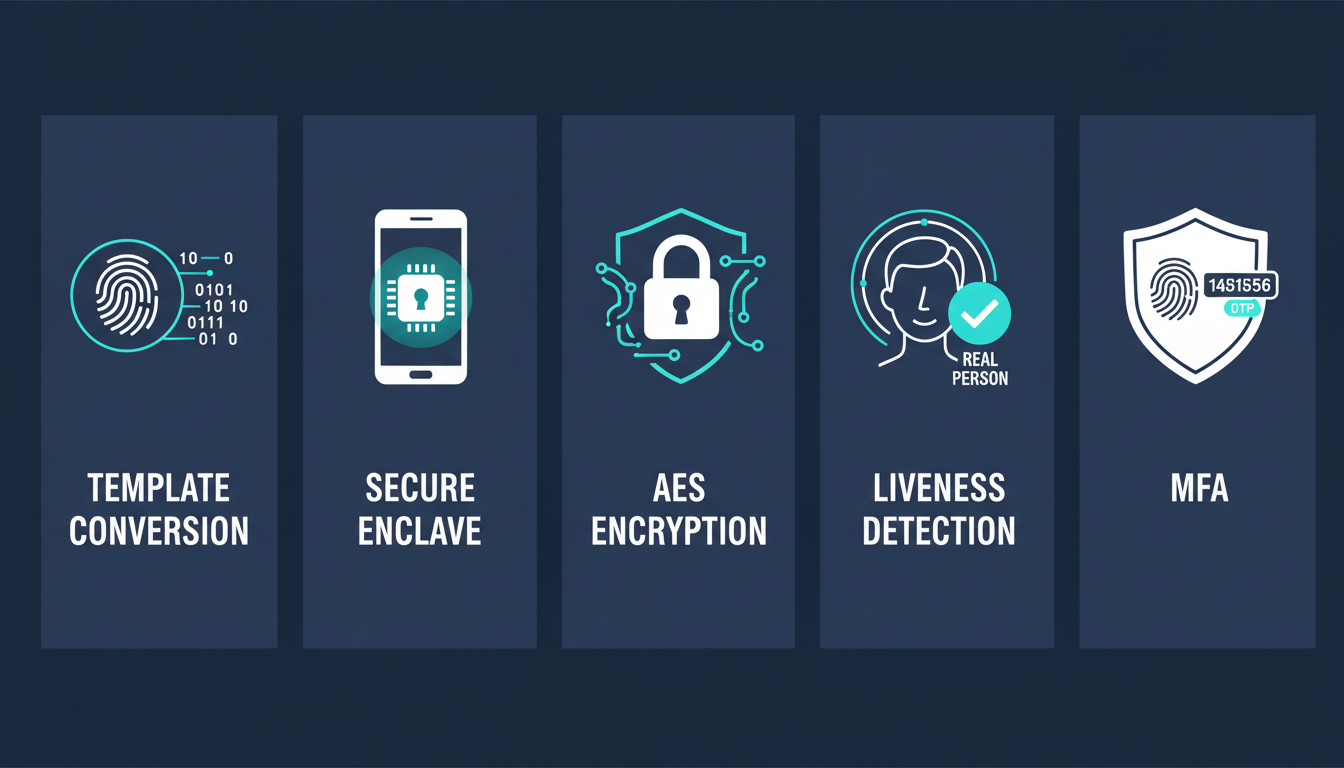
Not all biometric data protection works the same way. Some methods are strong. Some have big holes. Knowing how biometric security infrastructure works helps you ask the right questions. Here is how solid biometric authentication safeguards work inside a strong biometric cybersecurity framework.
1. Template Conversion (Not Images)
When you scan your fingerprint, the system does not save a picture of it. It turns it into a biometric template — a set of numbers that act like a code. This is called biometric data hashing. The real picture is thrown away. Only the code stays.
So if someone breaks in, they see numbers not your real fingerprint. That is the big difference between raw biometric vs template data codes are much harder to misuse.
2. Local Storage (Secure Enclave)
Your phone keeps your face or fingerprint inside a tiny locked chip called a secure enclave. This chip is cut off from the rest of the phone. It uses a trusted execution environment to keep on-device biometric storage away from apps and the internet.
Your scan never leaves your phone. No app can see it. This device-based biometric security is one of the safest setups around. Apple, Samsung, and Google all use locked chips to protect smartphone biometric storage.
3. Encrypted Data
Sometimes body data has to travel from a bank office to a main server. When it does, it must be locked using biometric data encryption. The most common method is AES biometric encryption, which scrambles data so only the right system can read it.
Good systems use end-to-end biometric security so data stays locked the whole way. Encrypted biometric databases ensure that even if a hacker gets in, all they see is scrambled nonsense. Secure biometric transmission is a must for any serious system.
4. Liveness Detection (Anti-Spoofing)
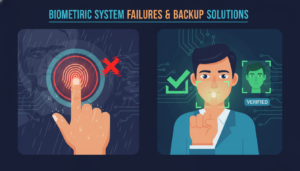
Can a bad person trick a scanner with a fake rubber finger? Or unlock your phone with your photo? Without a safety check, yes. That is where biometric liveness detection helps. It checks if the scan comes from a real, living person.
Good anti-spoofing biometric technology uses 3D depth checks, heat sensors, and eye-movement tracking. Facial recognition spoof detection and fake fingerprint prevention are now standard in serious systems. Biometric presentation attack detection keeps improving as bad actors get more creative.
5. Multi-Factor Authentication (MFA)
Body scans alone are not always enough. That is why biometric multi-factor authentication pairs your face or fingerprint with something extra — like a PIN or a one-time code (OTP) sent to your phone. This layered authentication means a bad actor needs more than one thing to break in.
MFA biometric systems are now common in banks and government apps in Bangladesh. Biometric plus OTP security is built into apps like bKash and Nagad. Biometric identity verification security is strongest when it never stands alone.
Where Biometric Systems Store Your Data: Devices vs National Databases ?
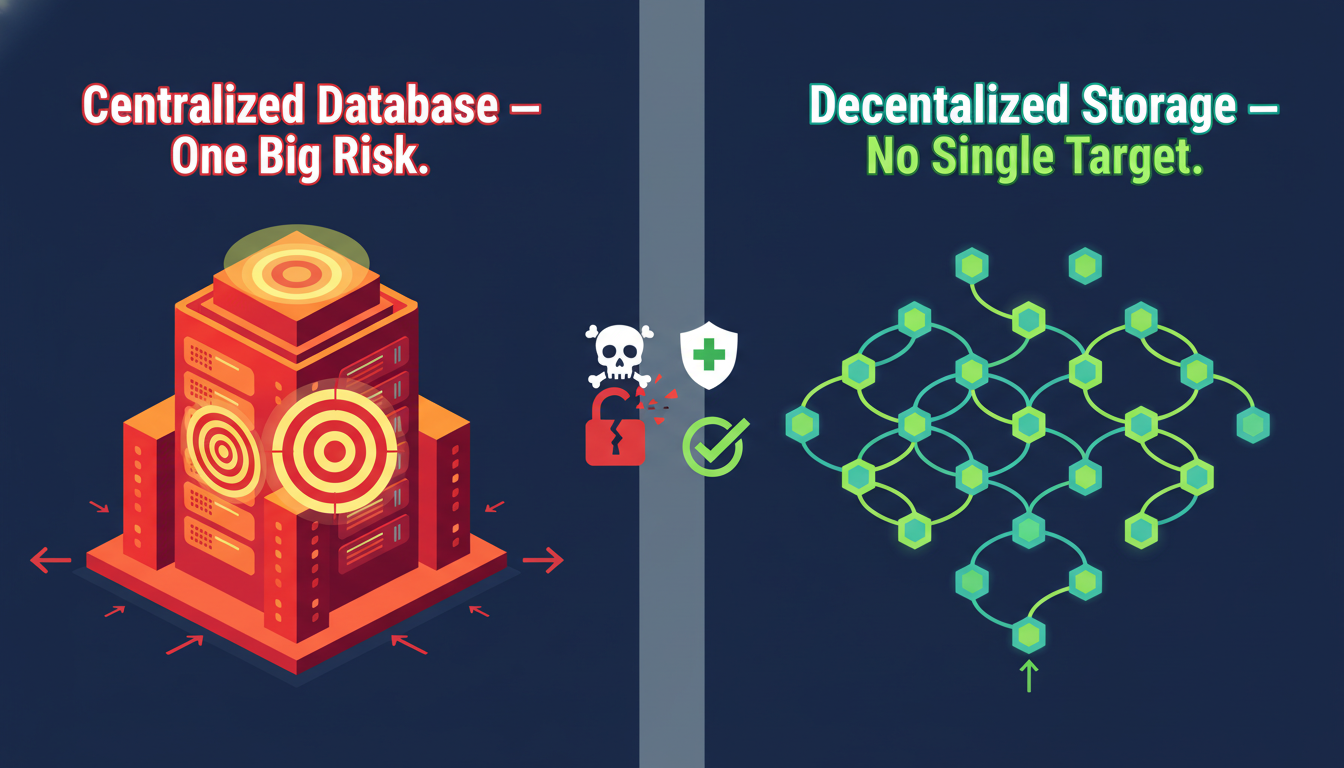
Where your body data lives matters a lot. There are two main places: on your own phone or in one big central system.
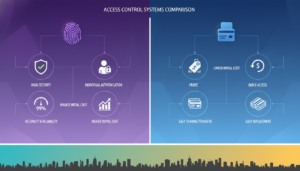
| Storage Type | Examples | Good Parts | Bad Parts |
| On Your Phone (Locked Chip) | iPhone Face ID, Samsung fingerprint | Private, never shared | Gone if phone is lost or broken |
| Big Government Database | Bangladesh NID system | Anyone can check fast | A top target for hackers |
| Cloud Storage | Some work apps | Easy to reach anywhere | Biometric cloud storage risks are real |
| Mixed Systems | Some banks and borders | Balanced setup | Hard to keep fully safe |
National biometric databases like Bangladesh’s NID system keep everything in one place. That makes checking fast. But it also makes the biometric storage architecture a huge target. The safest government biometric repositories use tight access rules, strong locks, and regular checks. The fight between centralized vs device biometrics is one of the biggest debates in security today.
Diversifying Biometric Security: Face and Iris Recognition Technologies
Fingerprints are the most common body scan. But two other tools are changing biometric identification: face scans and eye scans. Facial recognition security reads your face shape — where your eyes sit, how your nose looks, the line of your jaw. It works fast and from a distance.
Iris recognition authentication is even more exact. The tiny lines inside your eye are more unique than fingerprints and stay the same as you age. Contactless biometric verification using eye scans is used in airports and safe buildings worldwide.
Key differences between facial vs iris biometrics:
- Face scans — fast, work from far away, cost less
- Eye scans — more exact, harder to fake, cost more
- Multimodal biometric systems — use both for the best protection
Advanced biometric identification is moving toward using face and eye together, making spoofing nearly impossible.
The Problem with Device-Bound Biometrics in Modern Authentication
Keeping body data on your phone is safe — but has one big flaw. What if you get a new phone or it breaks? Your scan data does not move with you. Device-bound biometric limitations cause real trouble for everyday users.
Hardware-tied biometric authentication ties your whole identity to one device. Lose it, lose your access. Biometric portability issues grow as people use more devices. Cross-device biometric verification is still unsolved, and biometric login dependency risks are real. Device scans must be one part of a bigger plan not the only part.
The Problem with Centralised Biometric Databases in Bangladesh
One big database is easy to use. But it is also one big target. Bangladesh national biometric database security is a top concern as more services go digital. If that database is broken into, the damage cannot be undone.
Centralized biometric database risks include:
- Mass data loss — millions of records stolen in one attack
- No way to fix it — fingerprints cannot be changed after a leak
- Government overreach — body data could fuel mass biometric surveillance
- Outside attacks — state-level hackers target national systems
- Inside jobs — workers with access may sell or share data illegally
A biometric data breach in Bangladesh would shake trust in the whole digital ID system. Government biometric storage threats are real — India’s Aadhaar system has had reported leaks. Bangladesh must build layered protection now.
Risks and Limitations of Biometric Data Security
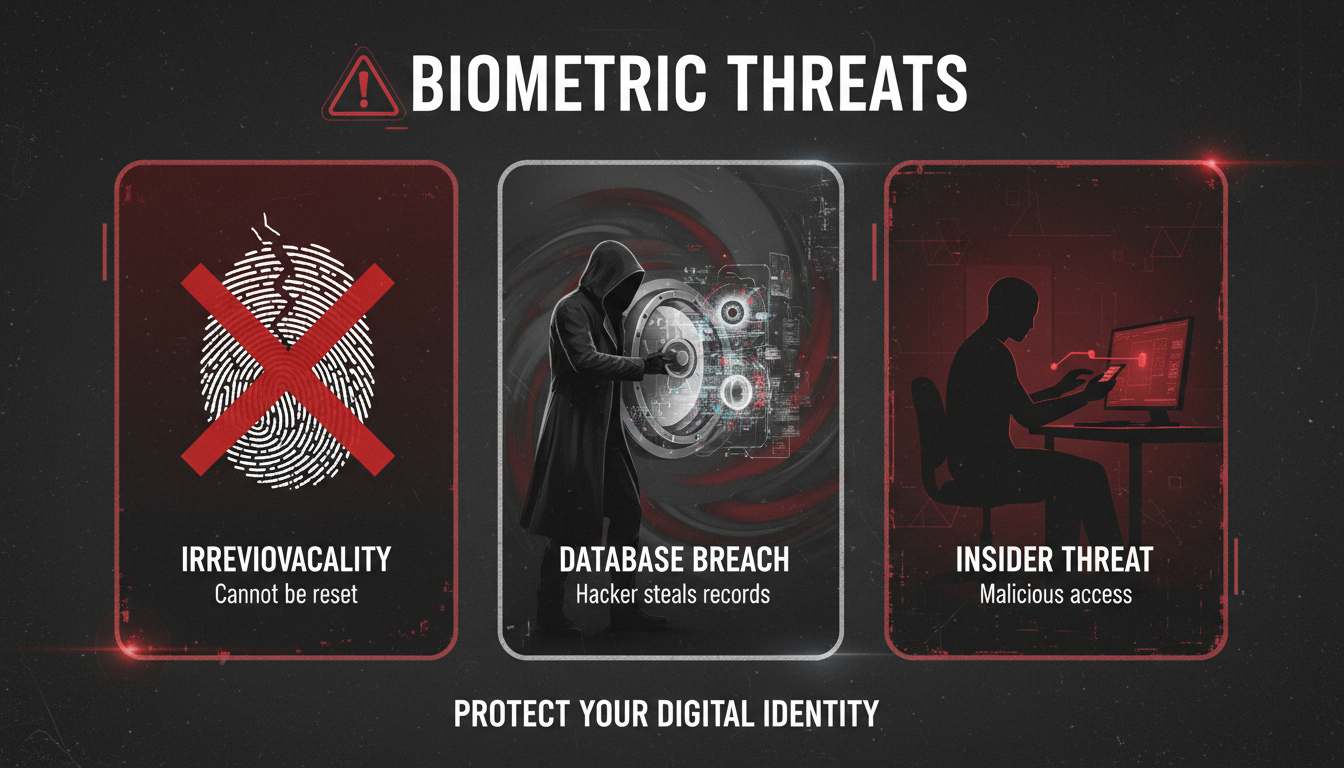
Body scans are powerful. But they are not perfect. Knowing the limitations of biometric authentication helps you use these systems smartly. Biometric privacy vulnerabilities touch everyone. These are the core biometric cybersecurity threats to know.
1. Irrevocability
If your password gets stolen, you make a new one. But if your biometric data gets stolen, you cannot make new fingerprints. Biometric data irrevocability is the biggest danger. Your fingerprints are permanent biometric identifiers for life and so is any damage done.
Biometric identity theft impact goes beyond inconvenience. People can lose bank and government access for good. Fingerprint data breach consequences can follow a person for years.
2. Centralized Database Risks
One place for millions of records means one giant weak spot. Centralized biometric breach risk is why security experts push for spread-out systems. Biometric database hacking has already happened it is not just a story.
Large-scale biometric leaks from national ID database systems prove the same thing: storing data that cannot be reset in one place is a very bad idea.
Real-World Biometric Data Breaches and Security Failures
Real systems get attacked. Biometric data breach cases rank among the worst in cybersecurity history. These biometric security incidents are lessons every country must learn from.
In 2019, over 27 million fingerprint and face scan records from Suprema Biostar 2 were left wide open online. No hacking needed. The system was just set up wrong.
1. Database Misconfigurations
Biometric database misconfiguration happens more than people think. Cloud biometric leaks often come from simple mistakes not fancy attacks. One wrong setting can expose millions of exposed biometric records overnight.
2. Insider Threats
Not every danger comes from outside. Insider biometric data theft is serious and underreported. Workers with body data access can copy it, sell it, or misuse it. Internal biometric breaches are hard to catch because the access looks normal.
Privileged access biometrics must be watched and every access logged. Biometric data misuse by workers has been found in police forces and banks worldwide.
3. Third-Party Vendor Risks
Many companies hire outside groups to handle body data. But biometric vendor security risks can be huge. When another company holds your users’ data, their problems become your problems. Outsourced biometric storage and biometric SaaS security gaps have caused real leaks. Third-party biometric processors must follow strict vendor biometric compliance standards and be checked often.
Lessons Learned
Every breach has a lesson. Key biometric breach prevention steps:
- Lock all data — when sitting still and when moving
- Check access logs — review who looks at what, and often
- Trust no one by default — use zero-trust rules
- Delete old data — do not keep body data past when needed
- Train your team — good training stops many inside breaches
Decentralised Biometrics: A Safer Alternative for Data Security?
What if your body data was not kept in one big place? Decentralized biometric identity systems spread data across many places at once. This makes breaches much harder. Distributed biometric storage means no single weak spot exists.
Blockchain biometric security stores your identity as a locked code across many computers. Self-sovereign biometric identity means you own your data — not a company or government. No single target, you stay in control, and the system works even if one part fails. Distributed biometric storage beats the risky one-big-database way.
Future Biometric Data Protection Measures and Innovations
The future of biometric security technology is moving fast. Biometric innovation trends focus on fixing two big flaws: body data cannot be reset, and storing it all in one place is risky. AI biometric security is making fake-detection smarter. Next-gen biometric protection will look very different from what we have now.
1. Cancellable Biometrics
What if you could reset your body scan like a password? Cancellable biometric templates make that possible. Instead of saving your real fingerprint, the system saves a changed copy. If stolen, a new copy is made and the old one becomes useless.
Revocable biometric data fixes the biggest flaw in today’s systems. Biometric reset technology using replaceable biometric identifiers is being worked on in labs worldwide. Biometric reissuance systems could soon be part of every national ID platform.
2. Decentralized Storage
Decentralized biometric storage keeps your data on your device or nearby — not in one big server far away. Zero-knowledge biometric systems prove who you are without sending your real body data anywhere. Edge biometric data storage and distributed identity databases are being tested in many countries — this is where the industry is heading.
Securing Biometric Data: Ethical and Legal Considerations in Bangladesh
Good tools need good rules. Biometric data laws in Bangladesh are still catching up with how fast digital ID systems are growing. There is no full biometric privacy regulation in the country yet. The legal framework for biometric data is spread across old laws never built with body data in mind.
Ethical biometric data use means asking people for permission first. Rules around consent in biometric data collection must make sure people know what is collected, why it is stored, and who can see it. According to the Electronic Frontier Foundation (EFF), people have a right to know when their body data is collected. And NIST’s Digital Identity Guidelines are clear: strong identity systems need layered protections — not just one lock.
Key steps for strong biometric compliance in Bangladesh:
- A full data protection law built for body data
- Ask for permission before collecting anyone’s body data
- Set a delete date — remove data when it is no longer needed
- Create a watchdog group to check all body data systems
- Tell people fast if their data is stolen or exposed
- Keep body data for ID only — never use it to watch people
- Punish misuse — real consequences for those who break the rules
Bangladesh is building a modern digital ID system — and that is worth being proud of. But building fast without building safely is dangerous. Strong biometric privacy regulations protect people and make the whole system trustworthy.
Knowing how your body data works — and where it can go wrong — is the first step to asking for better protection. Whether you are a regular person, a business owner, or someone who makes laws, this knowledge matters.
FAQs
1: What is biometric data, and what are some common examples?
Biometric data is personal information based on your body — like your fingerprints, face shape, iris patterns, or voice. These are called biometric identifiers because no two people share the same set.
2: Is biometric data secure in Bangladesh?
It can be but biometric privacy concerns in Bangladesh are growing. There is still no full biometric data regulation in Bangladesh to protect citizens properly.
3: What are the biggest risks of biometric data security?
The top biometric security risks are biometric data irrevocability (you cannot reset your fingerprints), centralized biometric breach risk, and weak biometric access control vulnerabilities.
4: How is biometric data protected on my phone?
Your phone uses a secure enclave — a locked chip — for on-device biometric storage. It also uses biometric liveness detection to stop fake scans.
5: What are the future solutions for biometric data protection?
Two big ones are cancellable biometric templates (resettable body scans) and decentralized biometric storage (no single database to hack). These are the future of next-gen biometric protection.