Keeping track of who comes to work sounds easy. But it’s actually a big headache for most companies in Bangladesh. Paper lists get lost. Workers sign in for their friends. HR teams waste hours fixing mistakes every month.
Biometric systems improve attendance accuracy by using your body to prove who you are. They check your fingerprint, face, or eyes. No more cheating. No more fights. Just clean, correct information that saves time and money.
Let’s look at how these systems work and why they’re changing attendance tracking across Bangladesh.
The Evolution of Attendance Tracking in Bangladesh
Bangladesh’s workers have grown a lot in the past twenty years. But attendance tracking system Bangladesh tools didn’t keep up until recently. Most companies used paper books and sign-in sheets for years.
The manual attendance history in our country tells a common story. Factory bosses would walk around with notebooks. Office managers would check who came late. Everyone trusted memory more than written records.
Then came punch cards and basic computer systems. These helped a bit, but people still had to type in the information. Mistakes kept happening. Workforce digitization got faster around 2015 when cloud technology became cheaper.
Today, digital HR evolution has reached fingerprint checking. Companies can now track attendance with accuracy that seemed impossible ten years ago. The change happened because businesses needed better numbers for paying workers and checking how well they work.
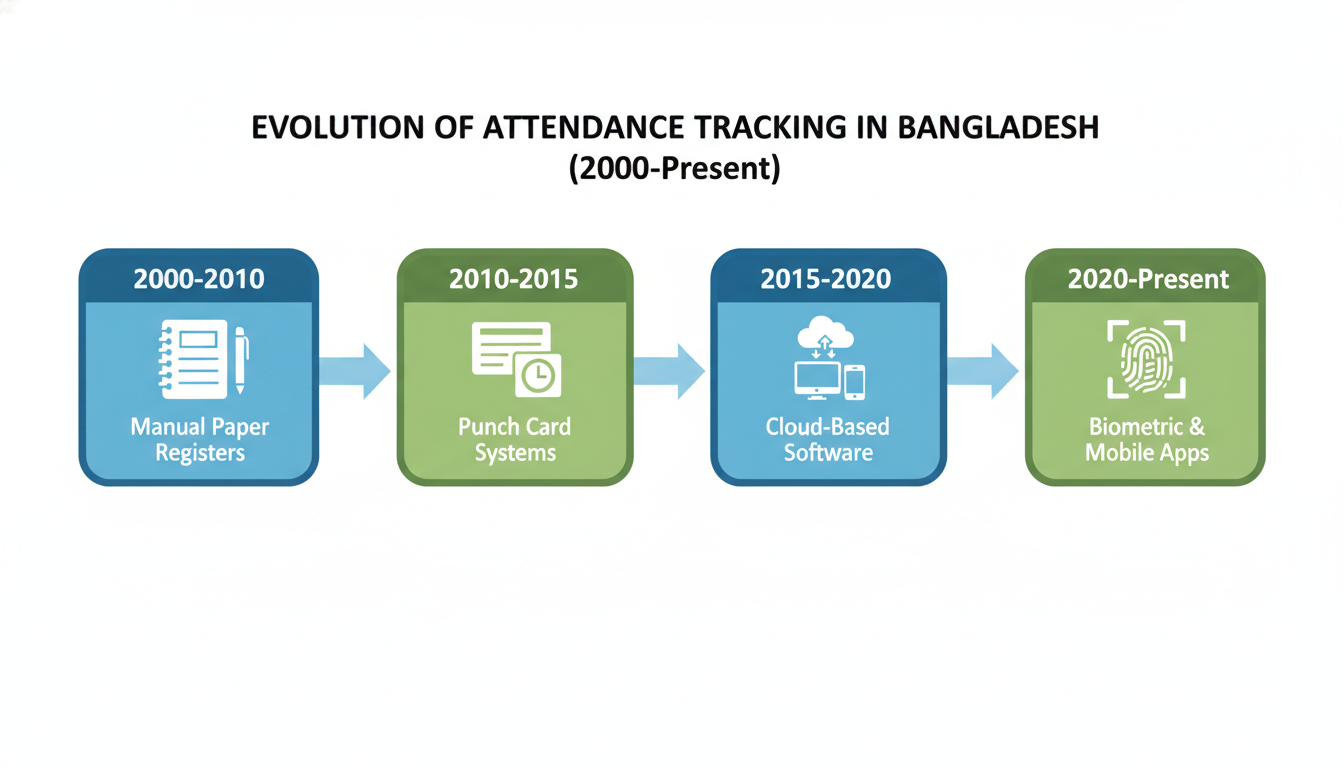
Here’s how things changed:
- 2000-2010: Paper books and manual sign-in sheets everywhere
- 2010-2015: Punch cards and basic computer systems came in
- 2015-2020: Cloud-based attendance systems in Bangladesh became popular
- 2020-Present: HR technology adoption grew fast with fingerprint checking
Attendance Accuracy Problems in Workplaces
Most workplaces face attendance accuracy problems that make HR departments crazy. These issues create payroll confusion, fights with workers, and waste lots of time. The cost grows quickly when information is wrong.
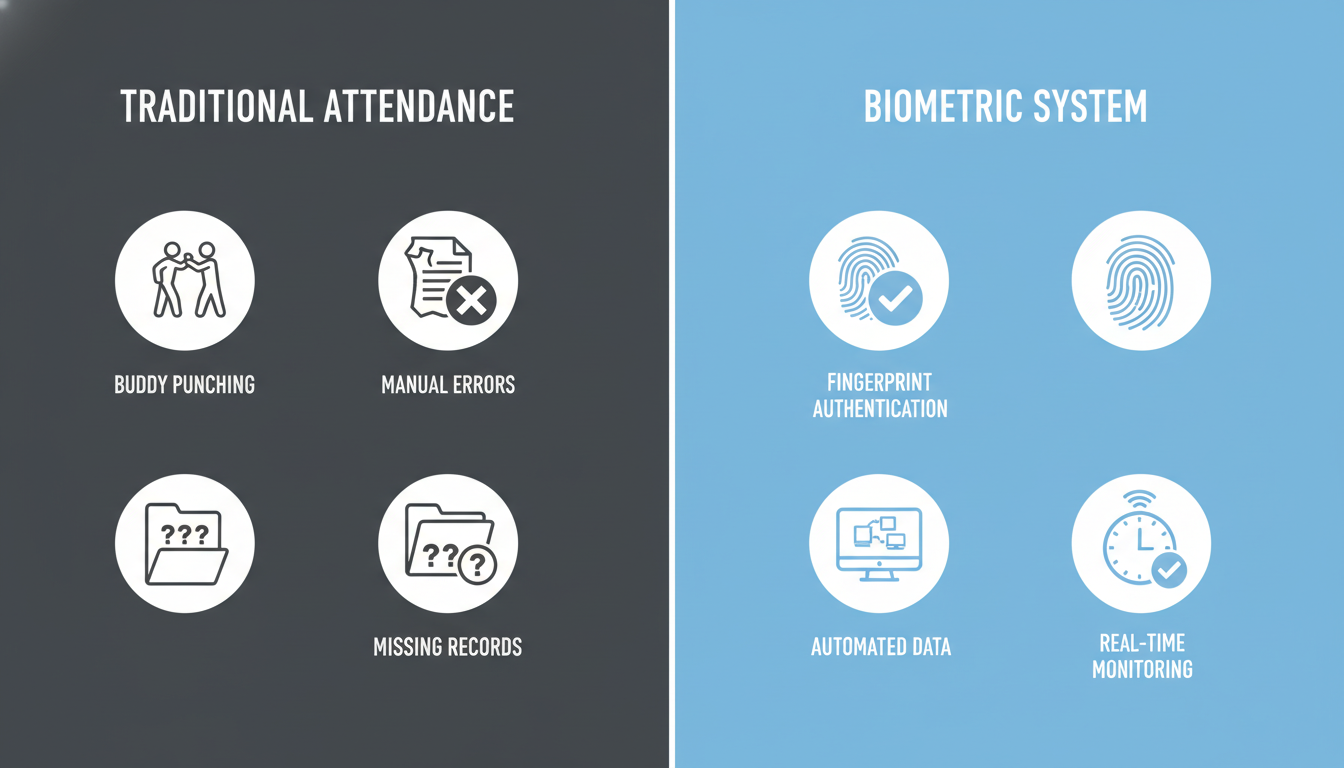
Inaccurate attendance records don’t just bother HR teams. They break trust between workers and bosses. Let’s look at the problems that fingerprint systems fix.
1.Buddy Punching and Proxy Attendance
Buddy punching fraud happens when one worker clocks in for another friend. It’s really common in both factories and offices. The missing worker gets paid for hours they never worked.
Proxy attendance costs businesses real cash. Studies from the American Payroll Association show that even small amounts of time stealing add up to thousands of dollars each year for each company.
Example: A worker running late asks a friend to sign them in at 9 AM. They really arrive at 10 AM. The company pays for that extra hour without knowing it happened.
2.Manual Entry Errors
Manual attendance mistakes happen even with honest workers and careful HR staff. Someone reads bad handwriting wrong. A boss forgets to write down a late arrival. Information gets typed into the wrong box.
Human error in HR systems always happens when people do the tracking by hand. Tired workers make typing mistakes. Busy managers skip checking steps. These small errors pile up and create huge payment problems.
3.Missing or Late Punch Records
Missing punch data creates gaps that HR teams struggle to fill later. Workers forget to sign out. Punch clocks break down. Records get lost between work shifts.
Late punch issues force HR to look back and check attendance after it happened. This wastes time and often depends on bad memory. The attendance data gaps make correct payment almost impossible without lots of manual fixing.
4.Payroll Disputes and Corrections
Payroll disputes happen when workers and bosses don’t agree about hours worked. Without solid proof, these fights go on and on. Both sides get frustrated and relationships get damaged.
Salary corrections eat up valuable time every pay day. Common pain points include:
- Workers saying they worked hours not written in the system
- Bosses questioning overtime claims without proof
- Payroll conflicts that need manager help
- Trust loss between staff and leaders over payment correctness
What Is a Biometric Time and Attendance System?
A biometric attendance system uses special body parts to check who you are. These systems scan fingerprints, faces, or eyes. Then they match the scan against saved pictures in a computer.
Unlike cards or passwords, body parts can’t be shared or forgotten. Each person’s fingerprint is special. Their face pattern is different. This makes biometric time tracking way more safe than old methods.
What is biometric attendance in simple words? It’s a system that:
- Scans a special body part when someone clocks in
- Compares the scan to saved worker information right away
- Records the exact time and person with perfect accuracy
- Sends the information to payment and HR systems on its own
The technology behind attendance management system tools has gotten much better. Modern fingerprint machines work fast and almost never make mistakes. They can handle hundreds of workers clocking in at shift changes without slowdowns.
These systems stop all cheating. You can’t ask someone to use your fingerprint for you. You can’t give your face to someone else. The checking happens in seconds and creates a record that can’t be argued about later.
How Biometric Attendance Verifies Employees?
The biometric verification process happens in steps that take just seconds. Understanding how biometric attendance works helps you see why it’s so correct.
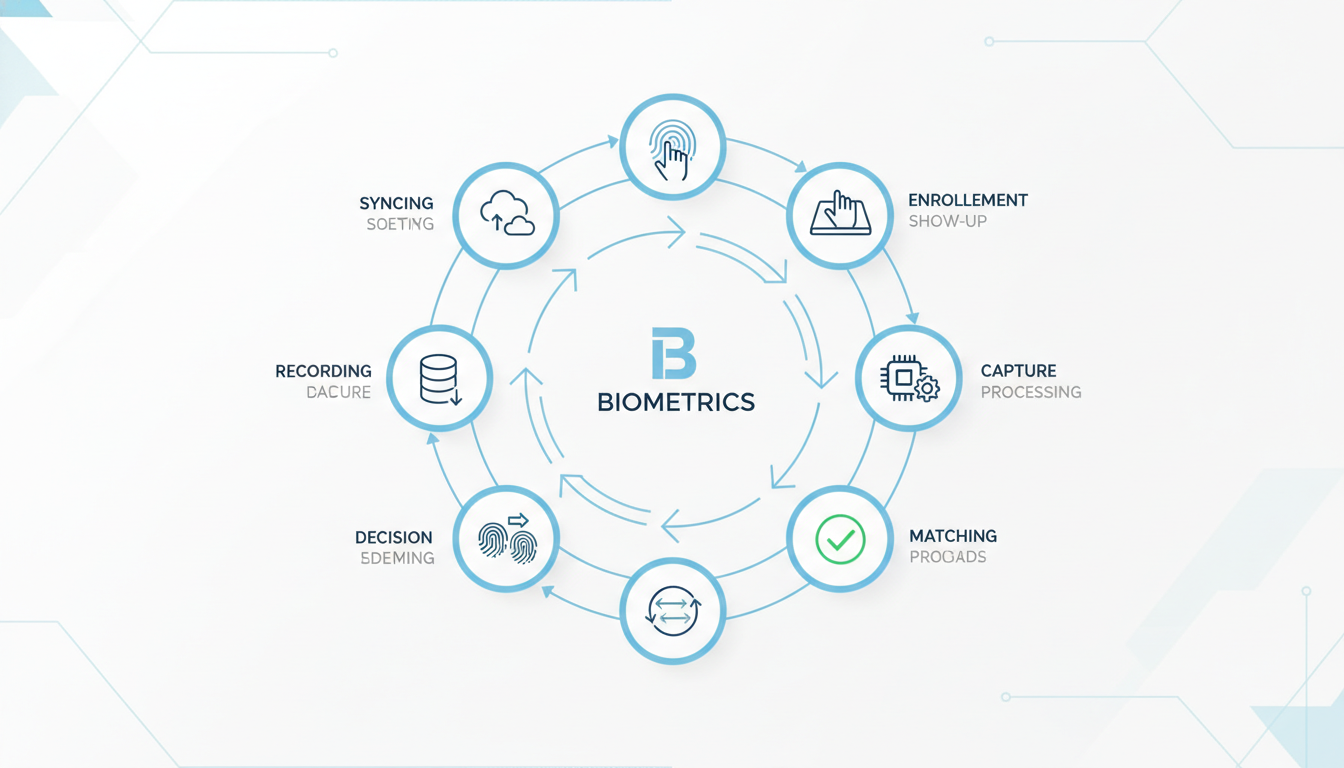
Here’s the employee identity verification process step by step:
- Sign-up: The worker’s fingerprint or face is captured and saved during setup
- Show-up: The worker puts their finger or face to the scanner
- Capture: The machine takes the fingerprint or face picture right now
- Processing: The system turns the captured picture into something it can compare
- Matching: The new picture is compared against all saved pictures in the computer
- Decision: The system says yes if the match is good enough
- Recording: The confirmed clock-in or clock-out is saved with time and place
- Syncing: The attendance record goes to the cloud or main computer right away
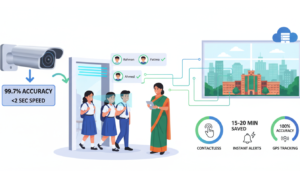
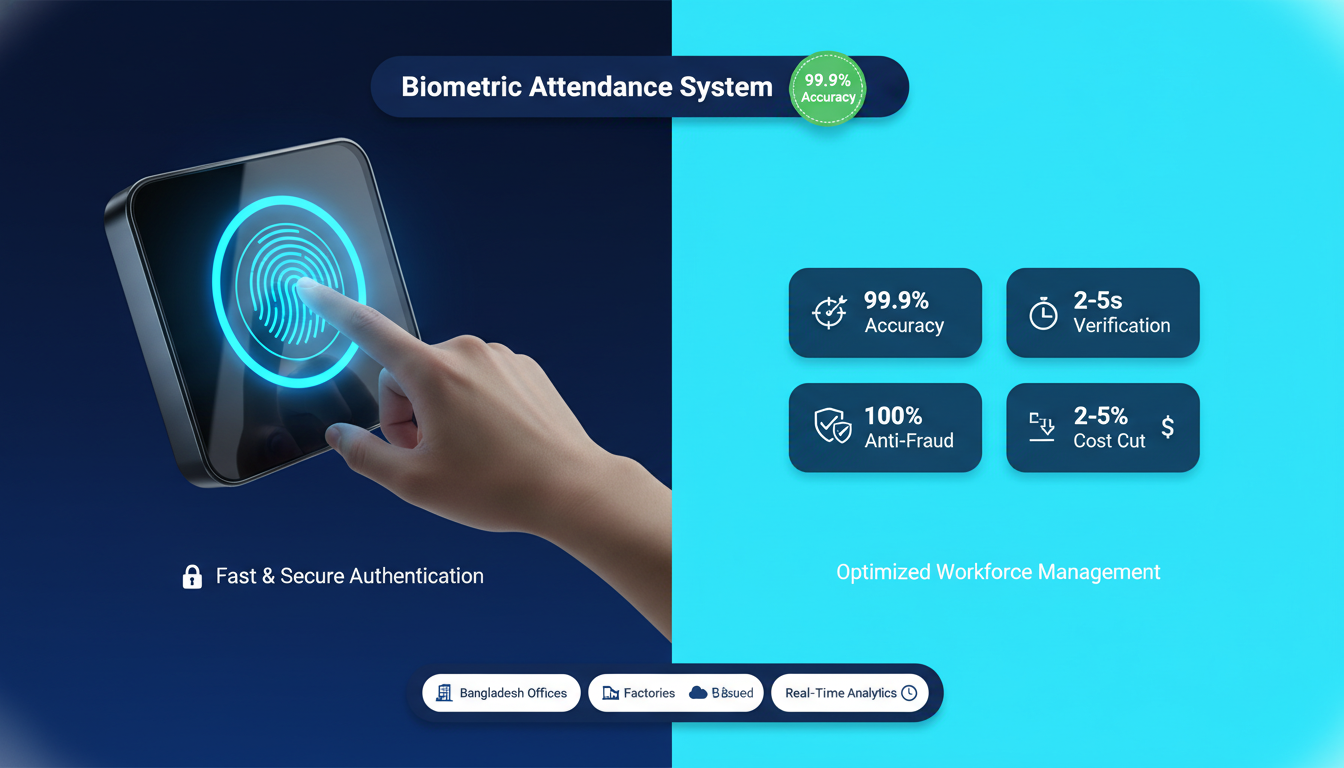
The whole process takes two to five seconds. Workers just touch a sensor or look at a camera. The system does everything else. There’s no typing by hand and no room for human mistakes.
Key Features of Biometric Employee Attendance Systems
Modern biometric attendance software features do way more than just track time. These systems work with other business tools to create a complete worker management solution.
Feature-based abilities that matter most:
- Real-time dashboard showing who’s in, who’s out, and who’s late right now
- Payroll integration that automatically counts hours worked for each worker
- Cloud attendance storage that lets bosses see information from anywhere
- Multi-location support for companies with many offices or factory sites
- Automatic overtime counting based on set rules
- Leave management that tracks time-off requests and approvals
- Shift planning tools that help arrange worker coverage
- Phone apps that let workers check their attendance history
- Detailed reports showing patterns in being on time and missing work
- Alert systems that tell managers about rule breaking
- Location limits that only allow clock-ins at certain places
- Offline mode that saves information locally when internet is down
These features change attendance from a basic must-do task into a smart tool. Managers learn about worker patterns. HR teams spend less time on paperwork. Workers like the clear and correct system.
Key Drivers of Improved Attendance Accuracy With Biometric Systems
Several things work together to make fingerprint systems way more accurate than old methods. The improve attendance accuracy benefits come from both technology and better ways of doing things.
Reduce attendance errors through many things working together. Let’s look at each driver closely.
1.Prevention of Time Theft
Fingerprint checking makes it impossible to eliminate time theft through buddy punching. Each person must be there in person to clock in. There’s no way to share login details or fake being there.
Attendance fraud prevention becomes automatic instead of needing boss watching. The system checks who you are every single time without fail. Even trusted workers can’t get around the technology. This fairness actually makes people happier because everyone follows the same rules.
2.Automation and Reduced Human Error
Automated attendance systems remove typing by hand from the work. The machine captures the exact time someone clocks in or out. No one types it into a spreadsheet later.
HR automation stops typing errors, misread handwriting, and forgotten entries. The information flows right from the fingerprint machine to the computer. Reduce manual errors by removing humans from the information capture completely.
3.High Verification Precision
Modern fingerprint sensors get biometric accuracy rates above 99.9% most of the time. According to research from the National Institute of Standards and Technology (NIST), the identity matching computer programs have improved through smart learning and better machines.
High precision attendance means the system rarely makes mistakes. Letting the wrong person in is super rare. Not recognizing the right person happens sometimes but can be fixed with a second scan.
4.Real-Time Visibility
Real-time attendance monitoring gives managers instant access to worker status. They can see exactly who’s working right now. They can spot patterns as they happen instead of weeks later.
Live workforce tracking lets managers act fast. If important staff are missing, managers know right away. They can change schedules or call backup before problems get big. This view improves both correctness and work efficiency.
Common Mistakes That Reduce Attendance Accuracy
Even with great technology, biometric attendance mistakes can hurt accuracy. How you set it up matters just as much as the machine itself. Companies need to stay away from these common mistakes.
Attendance system errors often come from bad setup or weak policies instead of machine failures. Knowing what to avoid helps you keep high accuracy from day one.
1.Poor Enrollment Process
Biometric enrollment issues create problems that last throughout the system’s life. If first scans capture low-quality templates, the system will have trouble recognizing workers later.
Rushing sign-up or using damaged fingerprints makes bad data. Take time to get clean samples from each worker. Save multiple fingers or face angles for backup checking when possible.
2.No Exception Policy
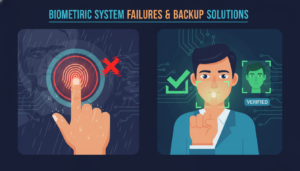
Every attendance system needs clear attendance exception handling steps. What happens when the machine breaks? How do workers clock in if their finger is bandaged?
HR policy errors happen when companies think technology will handle every situation. Have backup steps written down and trained. Make sure bosses can manually check attendance when technical problems happen.
3.Wrong Modality Selection
Picking fingerprint vs face recognition depends on your specific workplace. Manual workers might have worn fingerprints that scan badly. Factories with dust or chemicals need no-touch options.
Biometric modality selection should match your workers and conditions. Don’t pick the cheapest choice without thinking about whether it will work well in your real environment.
4.Manual Editing Without Logs
Allowing manual attendance editing without tracking who changed what opens the door to cheating. HR staff should be able to make fixes when needed. But every change must be saved with who made it and why.
Data manipulation risk goes up when edits happen invisibly. Use proper controls that keep accuracy while allowing needed changes. All changes should need approval and notes.
Comparison of Biometric Attendance Modalities Used in Bangladesh
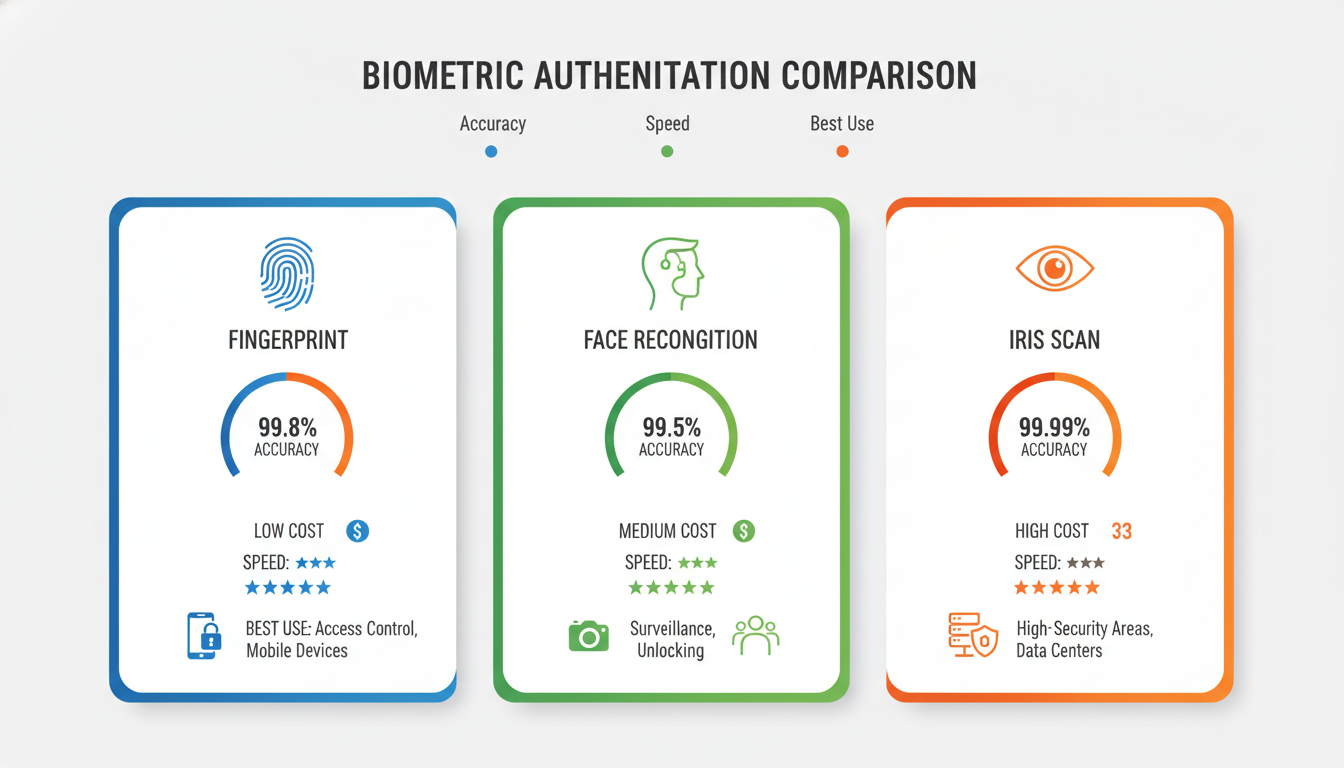
Different biometric attendance modalities work better for different situations. Understanding fingerprint vs face vs iris attendance helps you pick the right technology for your needs.
| Type | Accuracy | Speed | Cost | Touch | Best For |
|---|---|---|---|---|---|
| Fingerprint | 99.8% | Fast | Low | Yes | Offices, clean places |
| Face | 99.5% | Very Fast | Medium | No | Public areas, busy spots |
| Iris | 99.99% | Medium | High | No | High security, small groups |
Each choice has give-and-takes. The right pick depends on your budget, security needs, and workplace conditions.
1.Iris Scan
An iris biometric system gives the highest accuracy among common types. The colored part of your eye has super complex patterns that are special even between identical twins.
High-security attendance uses like banks or research places often pick iris scanning. The technology costs more but is almost impossible to fool. It works well in clean places where speed isn’t the top thing.
2.Facial Recognition
Face recognition attendance system technology has gotten way better in recent years. Modern cameras can identify workers from several feet away. They work even with glasses or small changes in how you look.
Contactless attendance became extra important during and after the pandemic. Workers don’t touch shared surfaces. Many people can be checked at the same time in some systems. This makes facial recognition perfect for busy entry points.
3.Fingerprint Recognition
Fingerprint attendance system stays the most popular pick in Bangladesh. The machines are cheap and reliable. Most people know fingerprint scanning from using smartphones.
Biometric time attendance using fingerprints works great for offices, stores, and light factory work. The sensors are small and easy to put in. They give excellent accuracy for most workplace places.
Industries Benefiting From Biometric Attendance Systems
Biometric attendance for factories has cut time stealing and improved payment accuracy a lot. Clothing makers were early users because of their big workforces and tight budgets.
Bangladesh industries attendance change covers many areas:
- Manufacturing: Clothing factories, food plants, and assembly places track thousands of workers across many shifts
- Retail: Shopping malls, supermarkets, and chain stores check worker hours and stop buddy punching
- Healthcare: Hospitals use fingerprint systems to track doctors, nurses, and support staff schedules correctly
- Education: Schools and colleges watch teacher attendance and automate payment processing
- IT and BPO: Offices use fingerprint checking to make sure billing is correct for client projects
- Banking: Money places use high-security systems for worker access and time tracking
- Logistics: Storage places and delivery centers track shift workers and temporary staff easily
- Hospitality: Hotels and restaurants manage changing schedules and cut paperwork
Each industry benefits differently. Factories save on time stealing. Hospitals improve scheduling. IT companies get billing accuracy. But all see better information quality and less HR work.
Key Cost-Saving Benefits of Biometric Attendance Systems in Bangladesh
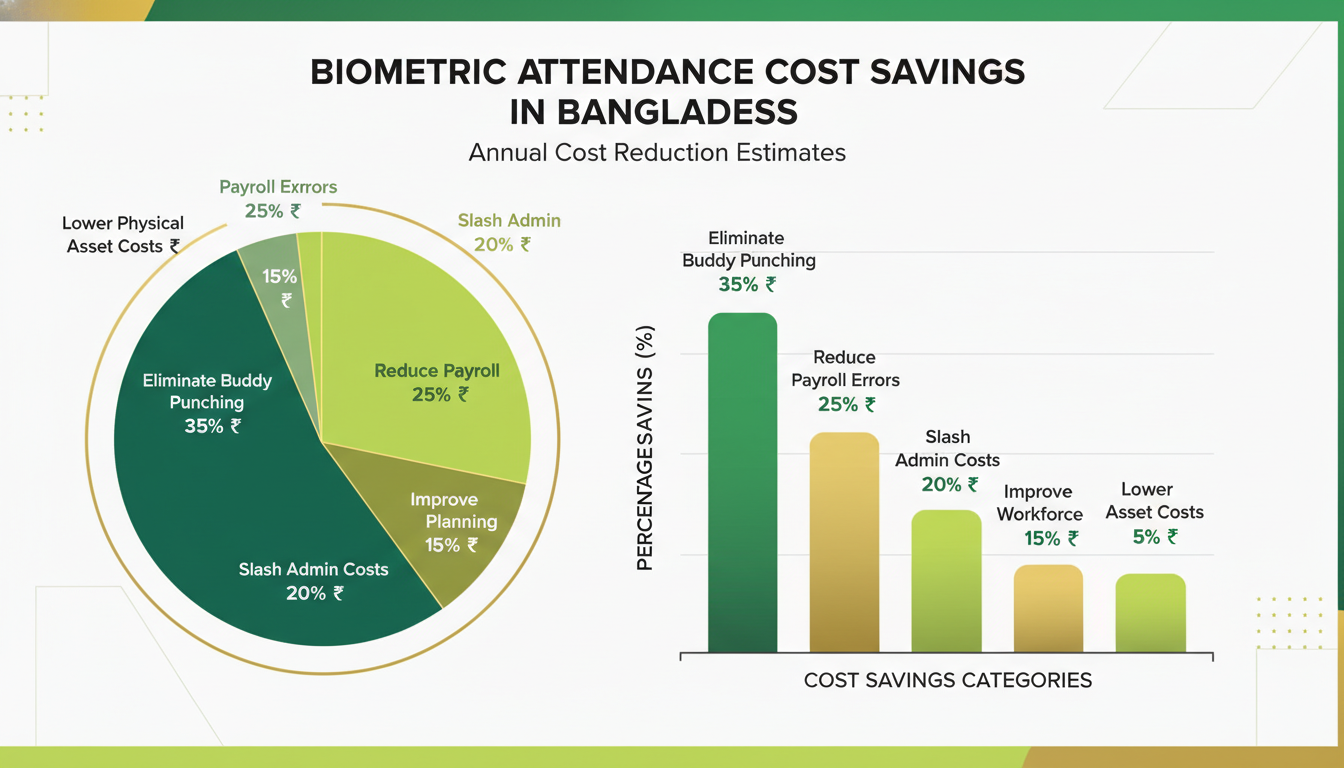
The biometric attendance cost savings go way beyond stopping time stealing. These systems reduce HR costs through efficiency gains and better decisions.
Smart companies see fingerprint attendance as an investment that pays for itself in months. The savings come from many sources working together.
1.Eliminate Buddy Punching
Stop buddy punching and you right away get back lost wages. Even if only 5% of workers sometimes clock in for others, the yearly cost adds up fast.
Time theft prevention through fingerprint checking is automatic and consistent. You don’t need constant watching. The system enforces attendance rules fairly across all workers without manager help.
2.Reduce Payroll Errors
Payroll accuracy gets way better when attendance information flows right from fingerprint machines to payment systems. No one mistypes hours. No one rounds up times wrong.
Salary error reduction means fewer fixes, fights, and late payments. HR teams spend less time fixing mistakes and more time on smart work. Worker happiness improves when paychecks are correct every time.
3.Slash Administrative Costs
HR cost reduction happens when you automate time-eating manual work. Staff no longer make attendance reports by hand. Managers don’t chase down missing signatures.
Admin automation frees HR workers to focus on hiring, training, and worker growth. The same team can manage more workers without adding headcount.
4.Improve Workforce Planning
Workforce analytics from fingerprint systems show patterns that manual tracking misses. You’ll spot being late all the time, missing work trends, and scheduling wastes.
Staff planning becomes number-driven instead of guessing. You can make shift coverage better, cut overtime costs, and make sure enough staff during busy times.
5.Lower Costs on Physical Assets
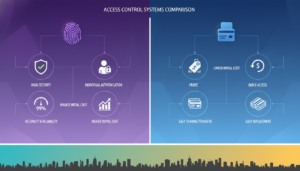
Old attendance systems need ID cards, card readers, and regular replacements. Card replacement costs add up when workers lose or damage their cards.
Hardware savings come from cutting out these supplies. Fingerprints and faces don’t get lost or worn out. The first fingerprint machine investment pays off through lower ongoing costs.
Read more…..to know Benefits of Biometric Attendance Systems for Small Businesses
Typical Savings Examples From Biometric Attendance Systems
Real biometric attendance savings change by company size and industry. But the pattern is the same across companies that use these systems properly.
Let’s look at realistic examples based on businesses in Bangladesh.
1.Savings for Small Businesses
A small company with 50 workers can save a lot through biometric attendance for SMEs. Say just three workers buddy punch once a week for one hour each.
That’s 156 hours of time stealing each year. At an average wage, this equals big savings. Add in less HR time for attendance fixes and the money back is clear in the first year.
2.Overall Labor Cost Reduction
Labor cost optimization goes beyond stopping time stealing. Better information helps you schedule more smartly. You’ll avoid unnecessary overtime and cut having too many workers during slow times.
Companies usually see 2-5% drop in labor costs after using fingerprint attendance. For a business spending 10 million taka yearly on wages, that’s 200,000 to 500,000 taka saved.
3.Payroll Processing Efficiency Gains
Payroll automation efficiency means HR staff spend 70-80% less time on attendance jobs. According to Society for Human Resource Management (SHRM), this might cut out the need for temporary help during payment times.
Even a few hours saved per pay time adds up over the year. Those hours can go to activities that actually grow the business instead of paperwork cleanup.
Choosing the Right Biometric System in Bangladesh
You need to choose biometric attendance system Bangladesh tools that match your specific needs. The cheapest choice rarely gives the best value.
Think about your environment, worker size, and connection needs carefully before buying.
1.Factory vs Office Requirements
Factory attendance system needs are different from office places. Factories need tough machines that handle dust, heat, and heavy use. They need fast processing for big shift changes.
Office biometric system setups can use smaller machines. They might care more about design and quiet work. The checking speed matters less when workers arrive over a longer time window.
2.Cloud vs On-Premise Systems
Cloud biometric attendance systems offer access from anywhere and automatic updates. They’re perfect for companies with many locations or remote managers.
On-premise HR system solutions keep all information inside your building. They work without internet and give you complete control. Pick this if you have security worries or bad internet.
3.Payroll and HRM Integration
Biometric payroll integration should be smooth. The attendance system must send out information in a format your payment software can read on its own.
HRM software integration creates one system for all worker information. Attendance, leave, performance, and payment work together. This stops typing the same information twice and makes sure everything matches.
Biometric systems improve attendance accuracy by removing the weakest part in old tracking: human help in checking who you are. They stop cheating, cut out errors, and give real-time information that changes how you manage your workers.
The technology is ready, cheap, and proven across industries in Bangladesh. Whether you run a factory, office, or store, fingerprint attendance gives quick value through cost savings and work improvements.
Ready to stop attendance headaches? Start by looking at your current problems and matching them to the right fingerprint solution for your business.
FAQs
1. How do biometric systems improve attendance accuracy in Bangladesh?
Biometric systems improve attendance accuracy by using fingerprints, faces, or eyes to check who you are. They stop buddy punching and time theft completely. Workers can’t sign in for friends anymore. The system removes human error because it records time automatically. You get 99.9% accurate data that flows straight to payroll systems.
2. What is the best biometric attendance system for factories vs offices?
Factory attendance systems need tough machines that handle dust, heat, and many workers at once. Fingerprint attendance systems work great for factories. Office biometric systems can use smaller face recognition machines. They’re quieter and better looking. Pick based on your workplace conditions and worker count.
3. How much can businesses save with biometric attendance?
Companies typically save 2-5% on labor costs yearly. You eliminate buddy punching, cut payroll errors, and reduce HR costs by 70-80%. Small businesses with 50 workers can save thousands by stopping just a few hours of time theft weekly. Add less card replacement costs and admin time savings.
4. Can biometric attendance integrate with payroll software?
Yes. Modern biometric payroll integration sends attendance data straight to your payment system. No manual typing needed. The cloud attendance option syncs automatically. This cuts salary errors and speeds up payment processing dramatically.
5. Which biometric modality is most accurate?
Iris biometric systems offer 99.99% accuracy but cost more. Fingerprint recognition gives 99.8% accuracy at lower cost. Face recognition attendance provides 99.5% accuracy with contactless benefits. Pick based on your security needs and budget.