
Every company has rules. But not every company has ethics.
Rules tell you what you can do. Ethics tells you what you should do. That gap is where companies either build something lasting or slowly fall apart.
Business ethics isn’t a framed poster in the lobby. It’s not the paragraph buried in your employee handbook. It’s the invisible backbone behind every decision your team makes. Every hire. Every client call. Every payroll run.
Think of it like a compass. You can have a map with no compass and still wander in circles. Ethics is the compass. It keeps your company pointed in the right direction even when no one’s checking.
Whether you’re a founder just starting out, an HR manager keeping things fair, or a CEO trying to build something that lasts, this is your foundation. Get it wrong and everything above it wobbles.
What Is Business Ethics, Really?
Business ethics is the set of moral principles guiding how a company behaves.
It applies to every layer of business. How you hire. How you fire. How you handle customer data. How you pay suppliers. How you talk to your team on a bad day.
It’s not complicated in theory. It just asks one question: Is this the right thing to do?
Not the most profitable thing. Not the most convenient thing. The right thing.
And yes, sometimes those conflict. That’s exactly when ethics matters most.
Why Business Ethics Matter More Than Ever
Customers are sharper now. Employees have more options. And the internet never forgets.
One leaked email can blow up a brand overnight. One ethical shortcut can spark a lawsuit that drags on for years. The stakes are real.
But here’s what’s just as true: companies that live their ethics attract something money can’t buy. Loyalty. Real, sticky, word-of-mouth loyalty.
People want to work for brands they believe in. They want to buy from companies they trust. They want to stay at jobs where they feel respected.
So ethics isn’t just the moral choice. It’s the smart business choice.
The Core Principles of Business Ethics Every Company Needs
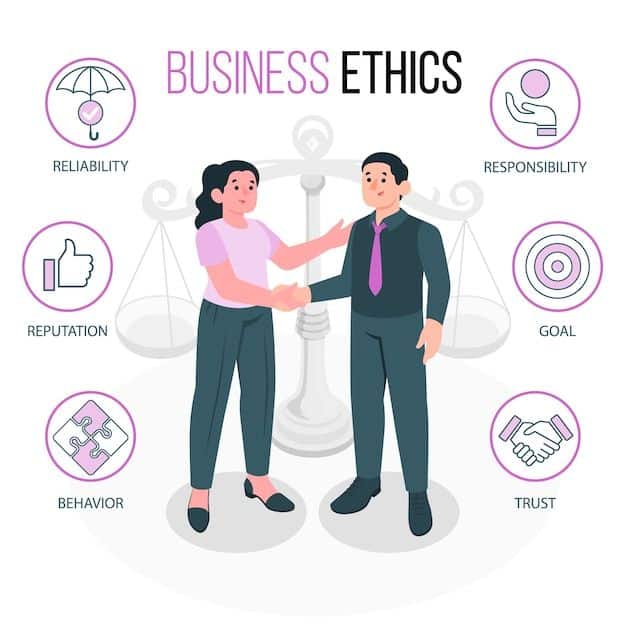
Most ethical frameworks share the same DNA. Here’s what sits at the core:
- Honesty — Say what you mean. Mean what you say.
- Fairness — Equal treatment. No exceptions for favorites.
- Accountability — Own the mistake. Fix it publicly.
- Transparency — Don’t hide the ball. Share what matters.
- Respect — For people. For data. For the environment.
- Integrity — Do the right thing even when nobody’s watching.
These aren’t buzzwords for a leadership retreat. They’re the operating system of a company that actually works.
When one of these breaks down, the others start wobbling too. Lose integrity, and accountability disappears. Lose transparency, and trust cracks. It’s all connected.
How Business Ethics Shape Company Culture From the Inside Out
Culture is what happens when the boss isn’t in the room.
You can’t build a healthy culture on policies alone. People watch what leaders do, not what the handbook says. If the CEO cuts corners, managers will too. If managers play favorites, employees learn the real rules fast.
Ethical behavior, practiced consistently, becomes culture. It becomes the air everyone breathes at work.
As they say in Bengali tradition: “Sangsarge dosh gune” — you take on the qualities of those you surround yourself with. Build a team of ethical people. Hire for values. Reward integrity. The culture follows.
When employees see ethics in daily action, they believe in it. And that belief? It’s contagious.
Ethical Leadership: The Backbone Behind Every Great Company
Leaders set the tone. Full stop.
Ethical leadership means making hard calls with honesty. It means saying “we were wrong” without flinching. It means creating space for people to push back on bad ideas.
Great leaders don’t just talk about values at the all-hands meeting. They practice them in small moments. The performance review. The supplier negotiation. The way they respond to a complaint at 6pm on a Friday.
Ethical leadership is a muscle. You train it every day. You don’t only use it when cameras are rolling.
Business Ethics and Employee Trust: The Real Connection
Can you think of the best job you’ve ever had?
What made it great likely wasn’t the salary alone. It was probably that someone treated you fairly. You knew where you stood. You weren’t lied to.
That’s ethics doing its quiet, powerful work.
Employee trust is one of the most underrated business assets. When your team trusts the company, they stay longer. They show up fully. They refer talented friends. They defend your brand when someone criticizes it online.
Trust is the foundation. Ethics is how you pour it. And once it’s cracked, it takes a long time to set again.
What Happens When Companies Ignore Business Ethics?
Enron. Theranos. WeWork. The pattern is always the same.
Leaders who lied. Systems that hid the truth. Cultures that rewarded results over honesty. And then, at some point, everything collapsed.
These weren’t just financial failures. They were ethical ones first. The numbers came after the culture rotted.
Ignoring ethics doesn’t just hurt the company at the top. It hurts employees who lose their jobs. Customers who lose their money. Communities that lose trust in business itself.
The short-term payoff of cutting ethical corners always comes with a long-term price. Always. No exceptions in the history of business.
Business Ethics in the Workplace: Real, Everyday Examples
Ethics isn’t reserved for boardrooms and press releases. It shows up every day in ordinary decisions:
- Payroll accuracy — Paying people what they’re owed. On time. Every time.
- Leave management — Applying leave policies fairly, not selectively.
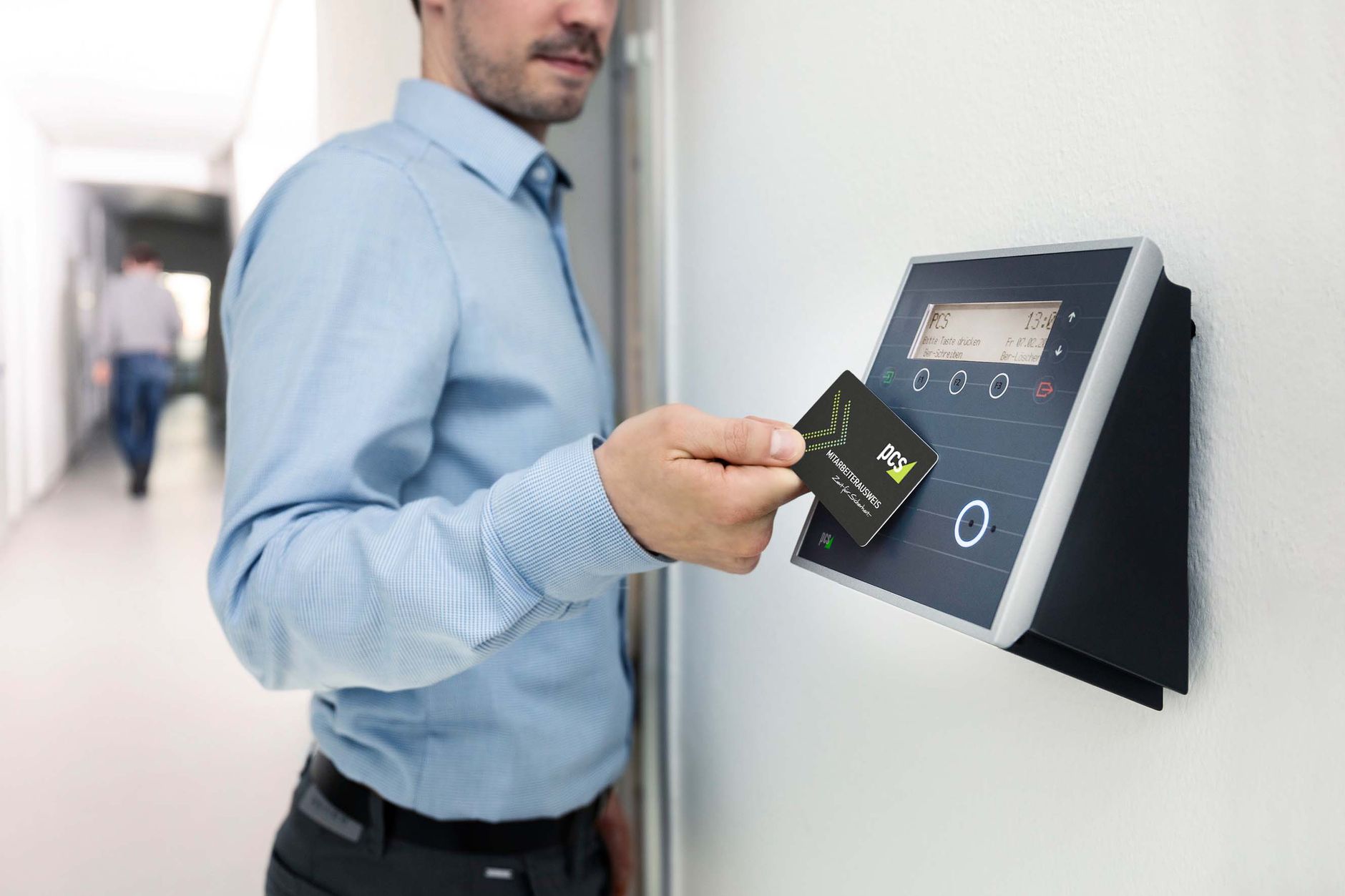
- Attendance tracking — Using systems employees can see and trust.
- Performance reviews — Based on merit, not who plays golf with the manager.
- Feedback channels — Actually listening when a junior employee raises a concern.
- Supplier payments — Not dragging invoices to protect your cash flow at their expense.
These aren’t abstract. They’re Tuesday morning decisions.
At Tipsoi, we built our HR and attendance management tools around this exact idea. Ethical HR means transparent data. And transparent data builds day-to-day trust at scale.
The Role of Transparency in Ethical Business Practices
Transparency is ethics made visible.
It’s letting your team see how decisions get made. It’s telling customers exactly what their data is used for. It’s publishing honest numbers instead of polished PR.
Transparent companies don’t just seem trustworthy. They are trustworthy. And people feel the difference almost immediately.
Here’s a useful picture: transparency is like a clean glass window. People can see right through it. No fog. No smudge. Nothing to hide. Opaque companies are like frosted glass. They’re blocking the view on purpose. And people notice.
When companies lead with transparency, it signals something deeper: respect. You respect your customers enough to tell them the truth. You respect your employees enough to keep them informed.
How Ethical Companies Handle Data and Privacy
Data privacy is one of the sharpest ethical challenges businesses face today.
You collect data on employees. On customers. On partners. What you do with that data tells the full story of your ethics.
Ethical companies collect only what they need. They store it securely. They never sell it without clear consent. And they tell people exactly what they’re collecting and why.
In Bangladesh and across Southeast Asia, data protection laws are tightening. But ethical companies don’t wait for regulators. They act because it’s right.
Biometric data is especially sensitive. Fingerprints, facial recognition, iris scans — these can’t be changed if leaked. Handling this kind of data carelessly isn’t just a legal risk. It’s a betrayal of your people’s trust.
Corporate Social Responsibility vs. Business Ethics: Know the Difference
CSR and business ethics are cousins. Related but not the same.
Business ethics is internal. How you treat your people. Your partners. Your data. Your pricing.
CSR is external. How you give back to the community. How you reduce your environmental footprint. How you engage with the world beyond your office.
But they reinforce each other. An ethically strong company naturally starts thinking beyond profit. They invest in communities. They hire inclusively. They reduce waste because waste is just inefficiency with a bad conscience.
Because here’s the truth: a company that only helps itself eventually helps no one. Not even itself.
Business Ethics and Technology: The New Ethical Frontier
Tech moves faster than most ethics frameworks can keep up with.
AI hiring tools that quietly discriminate. Biometric data stored with no clear policy. Productivity tracking software that crosses into surveillance. These aren’t sci-fi scenarios. They’re happening right now, in real companies.
Ethical tech companies ask hard questions before they ship. “Who could this harm? How could this be misused? Are we being honest about what this does?”
At Tipsoi, our biometric attendance platform is built with a privacy-first approach. Managers get the real-time insights they need to run their teams. Employees keep their data dignity. Both outcomes matter.
Because the best technology doesn’t just work. It earns trust.
How Small Businesses Can Practice Strong Business Ethics Daily
Ethics isn’t a luxury reserved for Fortune 500 companies with compliance teams.
Small businesses live and die by reputation. Especially in tight-knit markets like Dhaka or Singapore’s startup scene. One bad story spreads fast.
You don’t need a 50-page ethics policy to be an ethical company. You need consistent, honest behavior every day:
- Pay your team fairly and on time.
- Be upfront with customers about what you can’t do.
- Handle complaints with care, not defensiveness.
- Treat your suppliers like long-term partners.
- Don’t make promises you can’t keep.
Small, repeated actions build something powerful over time. Ethics at scale always starts small.
Building an Ethical HR System: Where Ethics Gets Practical
HR is where your company’s ethics either show up or get exposed.
Hiring fairly. Calculating attendance without bias. Managing leave consistently. Communicating policy changes clearly and early.
When your HR system is ethical, the whole company feels it. Employees feel seen and valued. Managers feel empowered to make good calls. Executives can sleep knowing the systems are fair.
When HR is unethical? Even tiny things become toxic. A missed leave approval. A payroll error that takes weeks to fix. A biometric record that gets used against an employee unfairly.
Tools like Tipsoi’s attendance and HR management platform exist precisely to reduce these risks. It frees up your HR team from manual calculations, reduces human bias, and puts clean data in everyone’s hands.
Because ethical intent needs ethical infrastructure to actually work.
Ethics Isn’t a Policy. It’s a Practice.
So, what is business ethics?
It’s every small decision your company makes, every single day.
It’s how you handle a payroll error at the end of the month. How you talk to a frustrated client. How you protect your employee’s biometric data. How you show up when no one’s checking.
Ethical companies aren’t perfect. They make mistakes. But they own them, fix them, and grow from them. That’s the real definition.
The companies that last aren’t always the smartest or the fastest. They’re the ones people trust.
And trust? You build it one honest decision at a time.
Start there.
FAQs
1. What is business ethics in simple terms?
Business ethics means doing the right thing in your company. It covers how you treat people, handle money, use data, and make decisions. It’s not just about following laws. It’s about doing what’s fair and honest.
2. Why is business ethics important for companies today?
Ethics builds trust with customers, employees, and investors. Trust leads to loyalty. Loyalty leads to long-term growth. Without ethics, you might win short-term. You’ll rarely win long-term.
3. What are the main types of business ethics?
There are four main layers: corporate ethics (company-level decisions), professional ethics (industry standards), individual ethics (personal behavior at work), and social ethics (how the company engages with society and the environment).
4. What is an example of unethical business behavior?
Paying employees less than agreed. Hiding product defects from customers. Using misleading claims in ads. Storing biometric data without clear employee consent. Each of these violates a core ethical principle.
5. How does business ethics affect company culture?
When leaders live their values, teams follow. Ethics shapes how people treat each other every day. It influences who gets hired, how disputes get handled, and whether employees feel safe speaking up.