
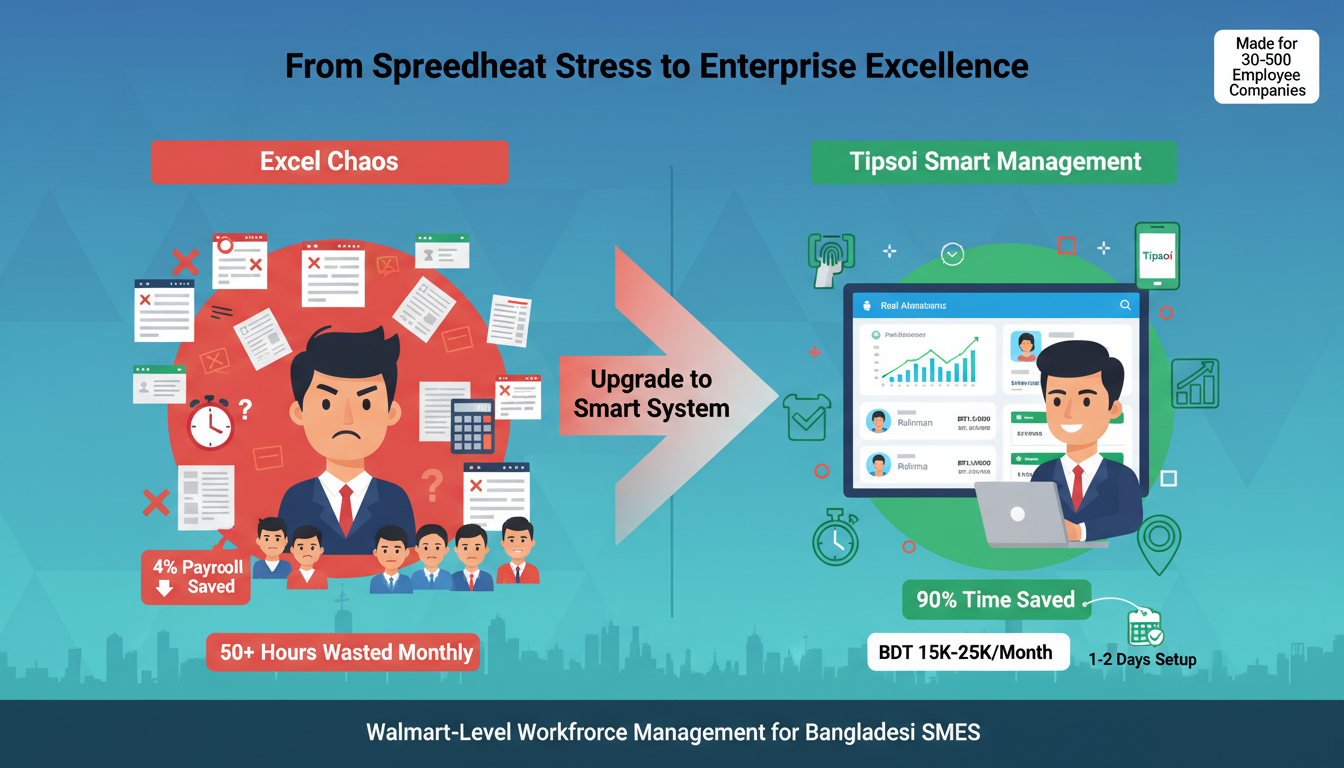
You run a growing business in Bangladesh. Twenty employees became fifty. Then seventy. Your Excel sheets multiply faster than your headcount. Your HR manager spends three days every month just calculating attendance. Payroll mistakes happen. Someone always disputes their overtime hours.
Here’s what most business owners don’t realize: the gap between Excel chaos and professional workforce management isn’t as wide as you think. You don’t need Walmart’s budget to manage your team like Walmart does.
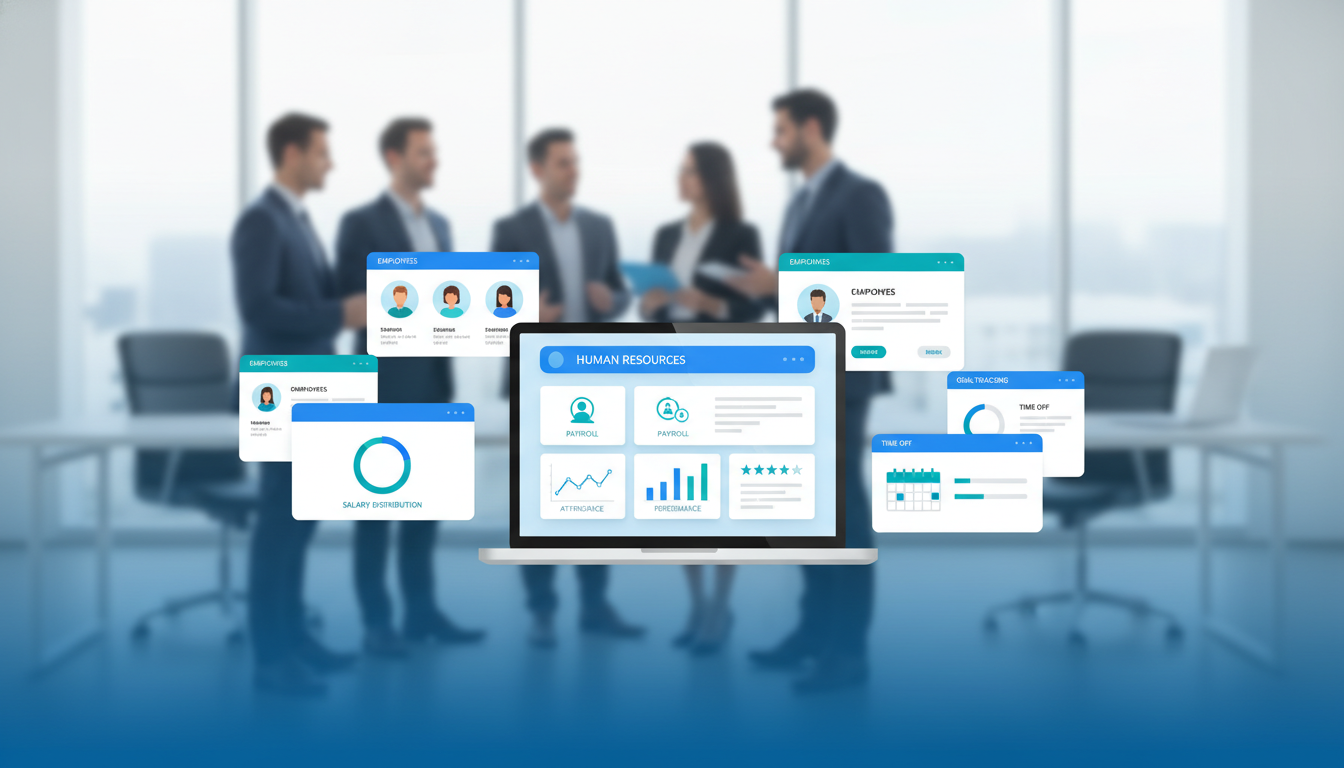
A workforce management system handles everything from attendance tracking to payroll processing in one place. It eliminates manual data entry, reduces errors, and gives you real-time visibility into your entire operation.
The Workforce Crisis No One Talks About
Walk into any mid-sized company in Dhaka, Chittagong, or Sylhet. Ask the HR manager what their biggest challenge is. They’ll tell you it’s the daily grind of tracking who showed up, who left early, who worked overtime, and whether the payroll numbers match reality.
Excel was built for calculations, not for managing humans. Every time someone takes leave, you update a cell. Every time shift patterns change, you create a new formula. Every time you need a report for management, you spend hours copying, pasting, and praying you didn’t miss a cell reference.
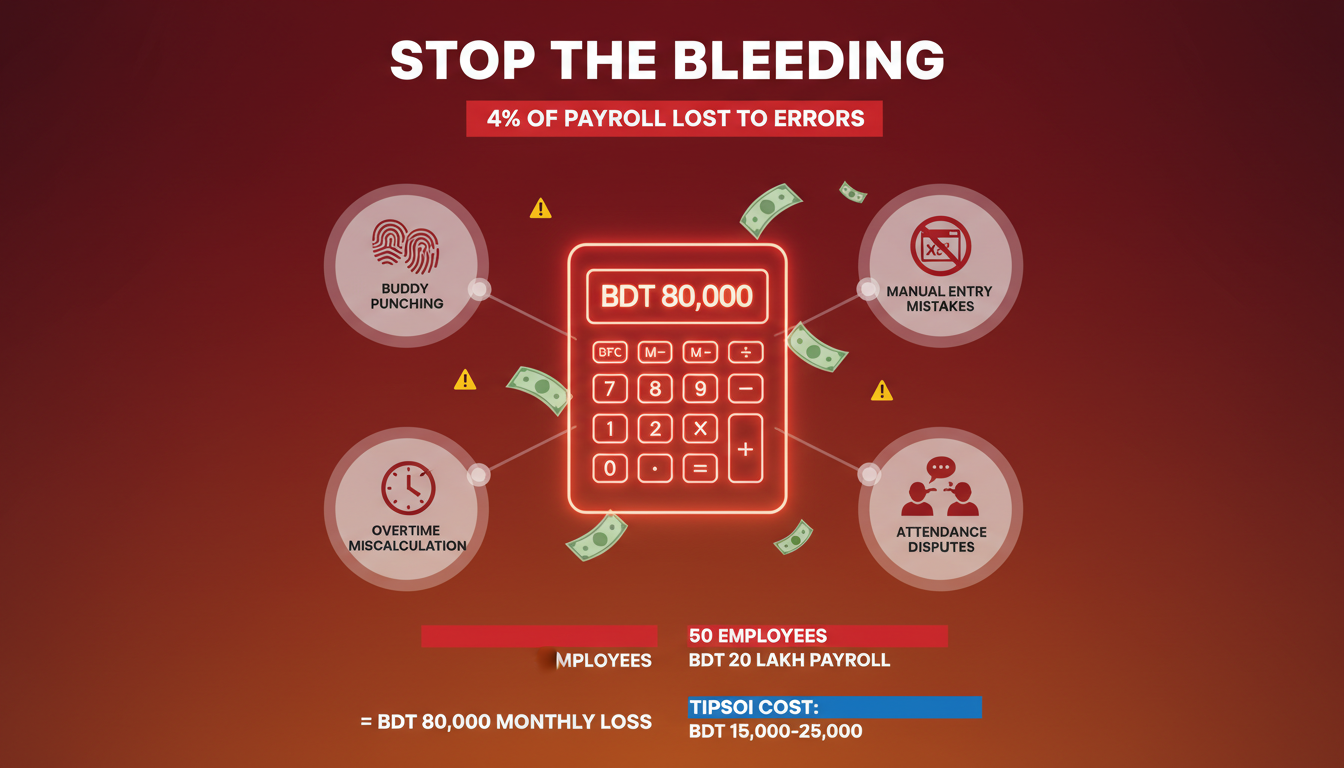
This isn’t just annoying. It’s expensive. Studies show that manual time tracking systems cost businesses up to 4% of total payroll due to errors and buddy punching. For a company with 50 employees and a monthly payroll of BDT 20 lakh, that’s BDT 80,000 disappearing every month.
The real crisis isn’t the money you know you’re losing. It’s the opportunities you’re missing because your team is buried in spreadsheets instead of working on growth.
Why Workforce Management Separates Winners From Strugglers
Two factories sit three kilometers apart in Gazipur. Same industry. Similar workforce size. Almost identical profit margins two years ago. Today, one is expanding to a second location. The other is struggling to maintain its current operation.
The difference isn’t their product. It’s how they manage their workforce.
Companies with proper workforce management systems report 25% better employee productivity compared to those using manual methods. This happens because managers spend less time chasing attendance data and more time coaching their teams.
Workforce optimization means putting the right person in the right role at the right time. When you track employee performance properly, you discover patterns. Your best sales rep excels in afternoon shifts. Your production team hits targets when you schedule experienced workers alongside trainees. Your overtime costs drop by 30% when you can see patterns and plan ahead.
Real-time workforce tracking turns guesswork into science. You stop saying “I think” and start saying “I know.”
Why Small Businesses in Bangladesh Think Enterprise Systems Are “Only for Big Companies”
Budget Misconceptions
“We’re not big enough for that kind of software.”
This belief kills more growth than any competitor ever could. Business owners imagine workforce management systems cost several lakhs per month. They picture enterprise contracts that lock them in for years.
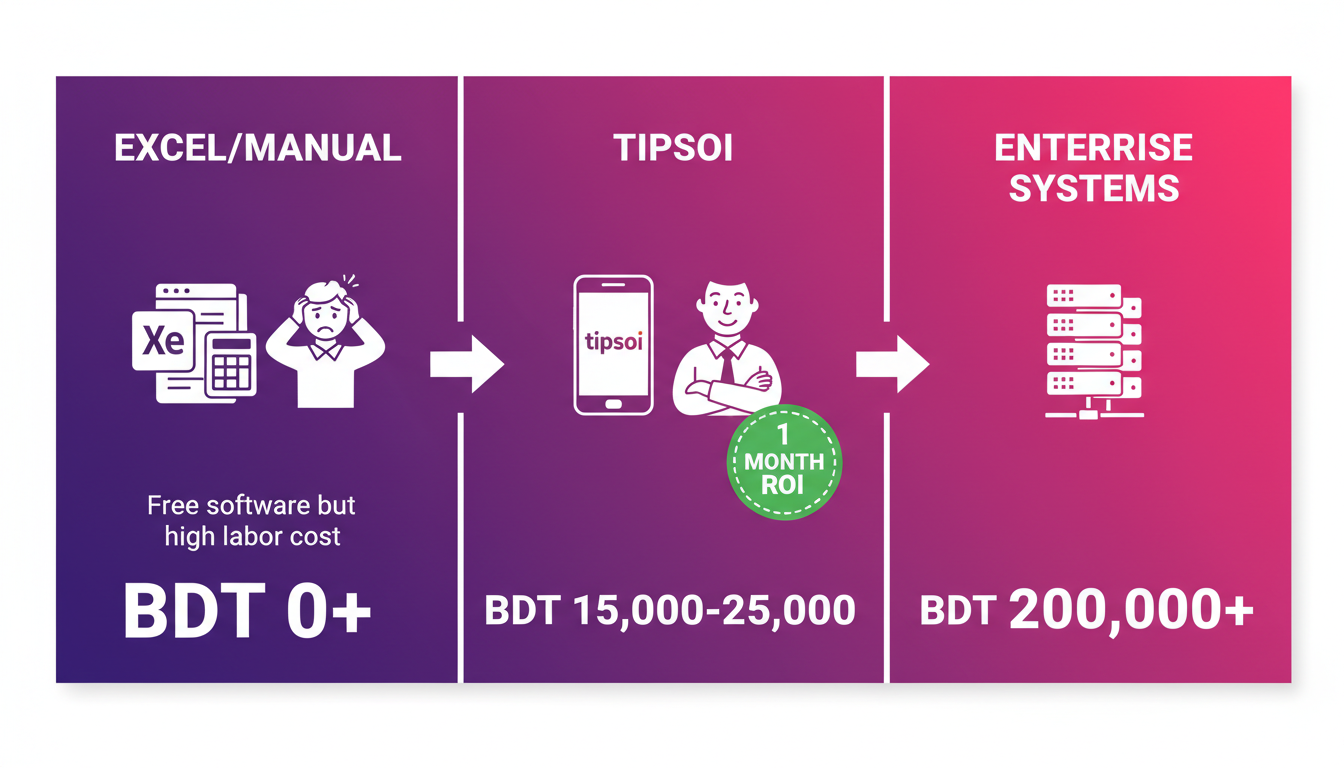
The reality shifted years ago. Modern workforce management solutions cost less than what you’re already losing to payroll errors each month. A typical SME with 30-50 employees spends between BDT 15,000 to 25,000 monthly on a complete system. That’s less than hiring one additional admin person to manage spreadsheets.
Cost-effective HR solutions for SMEs exist because technology got better and cheaper. Cloud-based systems eliminated the need for expensive servers. The barrier to entry dropped from “enterprise budget” to “business essential.”
Tool Complexity Fear
“Our team barely knows Excel. How will they learn complex software?”
Modern workforce management tools are designed for actual humans. Your employees can activate devices by scanning a QR code from their phone. Checking in takes a fingerprint scan or facial recognition. Requesting leave happens through a simple mobile app.
The complexity moved to the background where it belongs. What you see is simple. What happens behind the scenes is sophisticated.
Change Resistance
“We’ve been doing it this way for ten years. Why change now?”
Because what worked when you had 15 employees fails when you have 50. Because your competitors are changing. Because the cost of staying the same just went up.
Change resistance usually masks a deeper fear: what if we invest time and money and it doesn’t work? These fears are manageable. The fear of falling behind while your market moves forward is not.
What Global Enterprises Like Walmart Teach Us About Workforce Management
Walmart manages over 2.1 million employees across thousands of locations. Yet they know within minutes when productivity drops at a specific store, when overtime patterns shift, or when scheduling gaps emerge.
How? They treat workforce data like they treat inventory data. Every employee interaction creates data. Every shift generates insights. Every performance metric feeds into better decisions.
Data-Driven Decision Making
Walmart doesn’t guess about staffing needs. They analyze historical data, seasonal patterns, local events, and weather forecasts to predict exactly how many employees each department needs each hour.
Bangladesh SMEs can’t match Walmart’s scale, but they can match their approach. When you track attendance patterns, you discover that Monday absences spike after cricket matches. When you monitor task completion rates, you find that certain teams work better together. When you review overtime data, you spot departments that need better scheduling.
Data turns management from reactive to proactive. You stop fixing problems and start preventing them.
Automation as an Empowerment Tool
Walmart’s HR team doesn’t spend time collecting timesheets or calculating basic payroll. Automation handles routine tasks. This frees HR professionals to work on retention, training, culture, and strategic planning.
HR automation isn’t about replacing people. It’s about respecting their time and skills. Your HR manager shouldn’t be a data entry clerk. They should be a strategic partner helping your business grow.
The average HR professional saves 14 hours per week when they switch from manual to automated systems. That’s 56 hours monthly they can invest in activities that actually grow your business.
Skills-Based Talent Strategy
Walmart doesn’t just fill shifts. They match employee skills to specific needs. Their system identifies who excels at customer service, who handles complex inventory tasks efficiently, and who trains new hires effectively.
When you track employee performance beyond just “present or absent,” you can deploy your team strategically. This increases output without increasing headcount. It improves job satisfaction because people work in roles where they succeed.
Integrated Employee Experience
Walmart employees access everything through one system. They check schedules, request time off, view payslips, complete training, and communicate with managers. No separate portals. No different usernames. One integrated experience.
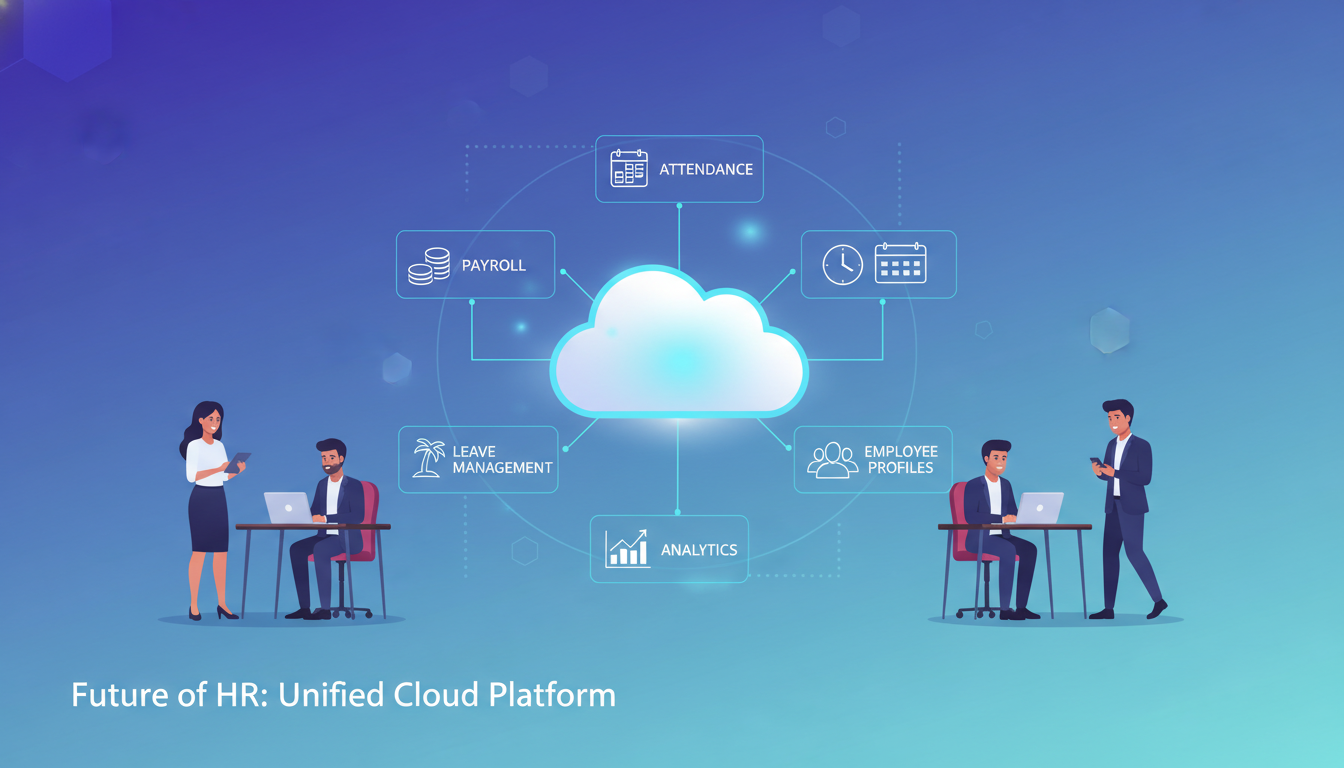
When systems talk to each other, information flows naturally. Attendance automatically feeds payroll. Leave requests update scheduling. Performance data informs training needs. Everything connects.
Which HR System Did Walmart Choose and Why?
In 2012, Walmart selected Workday to handle HR, payroll, and talent management across their global operation. This represented a major shift from traditional on-premise systems to cloud-based workforce management software.
Walmart chose Workday for specific reasons: unified data structure, mobile-first design, real-time analytics, scalability for millions of employees, and built-in compliance tracking for different labor laws across countries.
The selection process took years. Walmart didn’t just buy software. They invested in a complete transformation of how they manage their most important resource.
Complete HR Transformation Guide………………………………Walmart
What Results Did Walmart Achieve with Workday?
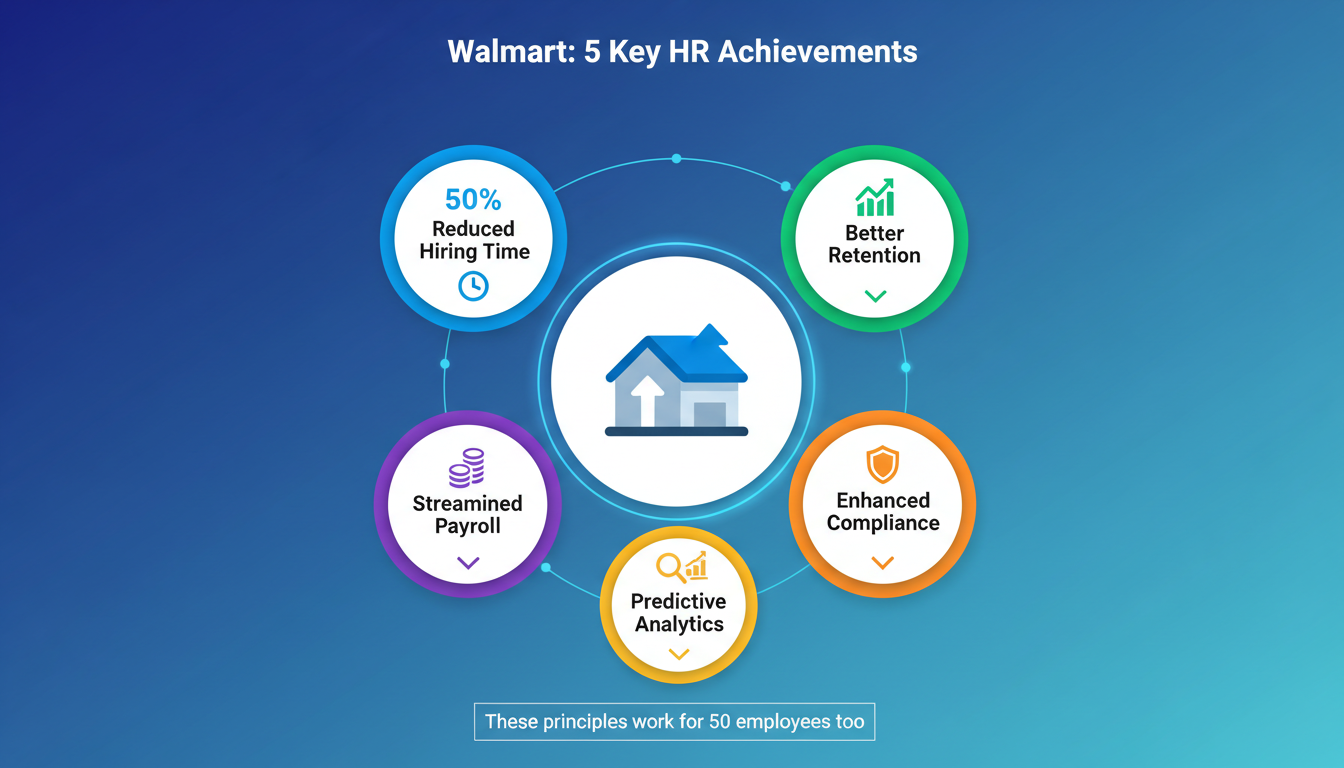
Industry reports reveal significant improvements:
- Reduced time-to-hire by 50%
- Improved employee retention through better visibility
- Streamlined payroll processing with automated integration
- Enhanced compliance tracking across jurisdictions
- Better workforce planning through predictive analytics
The most important outcome was the shift from reactive to proactive workforce management. Walmart gained the ability to see problems forming and address them before they became expensive.
What Can Bangladeshi Businesses Learn from Walmart?
Walmart’s success offers five critical lessons for SMEs in Bangladesh:
Start with data: You can’t improve what you don’t measure. Even basic tracking gives you insights you’re currently missing.
Integrate systems: Disconnected tools create more work. Your attendance system should talk to your payroll system.
Invest in employee experience: When workers can access their information easily, they become more engaged.
Think beyond attendance: Workforce management is about understanding patterns, predicting needs, and making smarter decisions.
Scale matters less than approach: The principles work just as well for 50 employees as for millions.
How Tipsoi Translates Enterprise Strategy for SMEs in Bangladesh
Tipsoi brings enterprise-grade workforce management to businesses that could never afford Workday. It’s a single powerful platform that handles everything from biometric attendance to payroll integration, designed specifically for the Bangladesh market.
The system combines advanced biometric devices with cloud-based HR management. Employees check in using facial recognition or fingerprint scanning fortified with AI-powered biometrics. Data flows automatically to your central dashboard. Managers access real-time information from anywhere.
Devices activate through QR code scanning from a mobile app. No complex installation. No IT department required. Built-in batteries provide 4-6 hours of backup power, so attendance tracking continues even during load shedding.
The platform includes API and SDK options for custom integrations. But most companies use it straight out of the box because it already handles their core needs.
Achieving Enterprise-Level Results with Tipsoi
Eliminate Administrative Drag
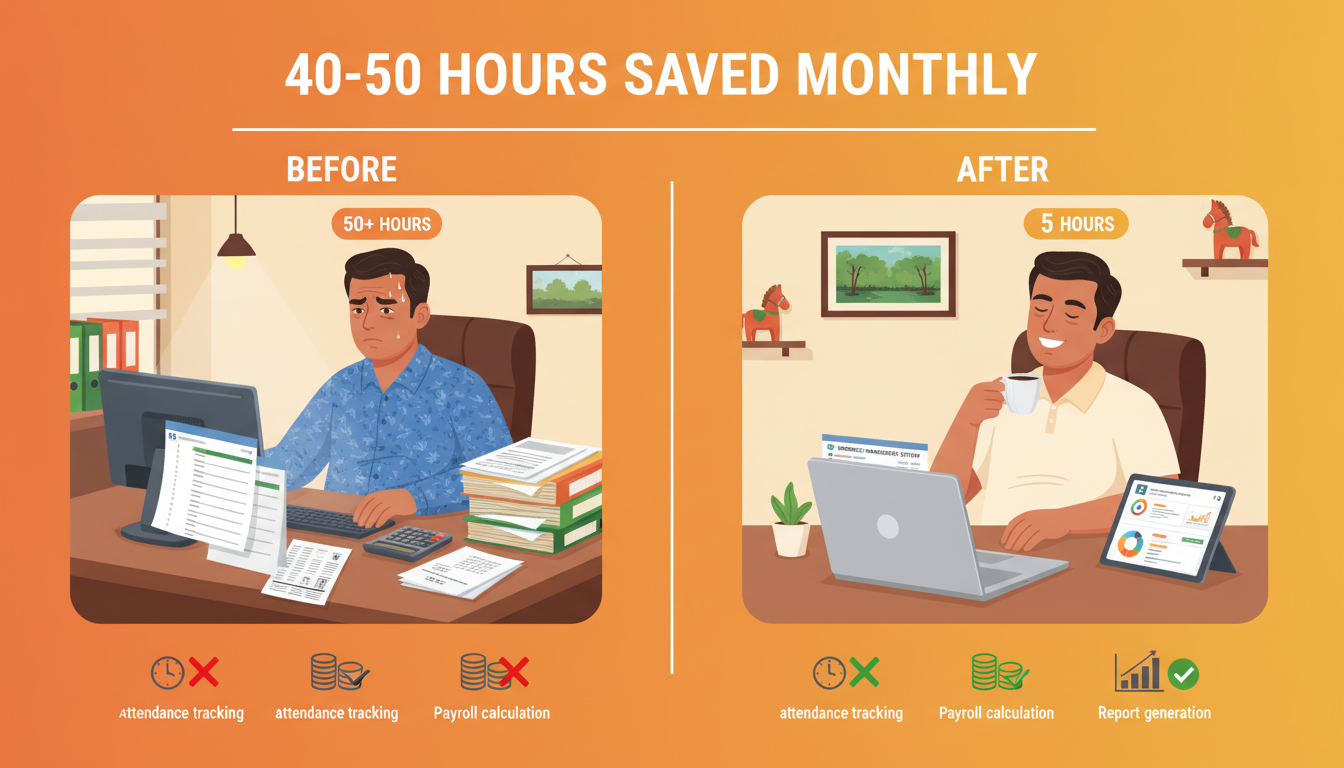
Your HR team currently spends hours on tasks that create zero value. Collecting attendance sheets. Entering data into spreadsheets. Resolving disputes about clock-in times. Calculating overtime manually.
Tipsoi eliminates this entire category of work. Biometric devices capture attendance automatically. The system calculates hours, overtime, and leave balances in real time. Reports generate with a few clicks.
The average SME saves 40-50 hours monthly in administrative time. That’s more than one full-time employee’s worth of productivity returned to your business.
Real-Time Performance Oversight
Traditional systems show you what happened last week or last month. By the time you spot a problem, it’s already cost you money.
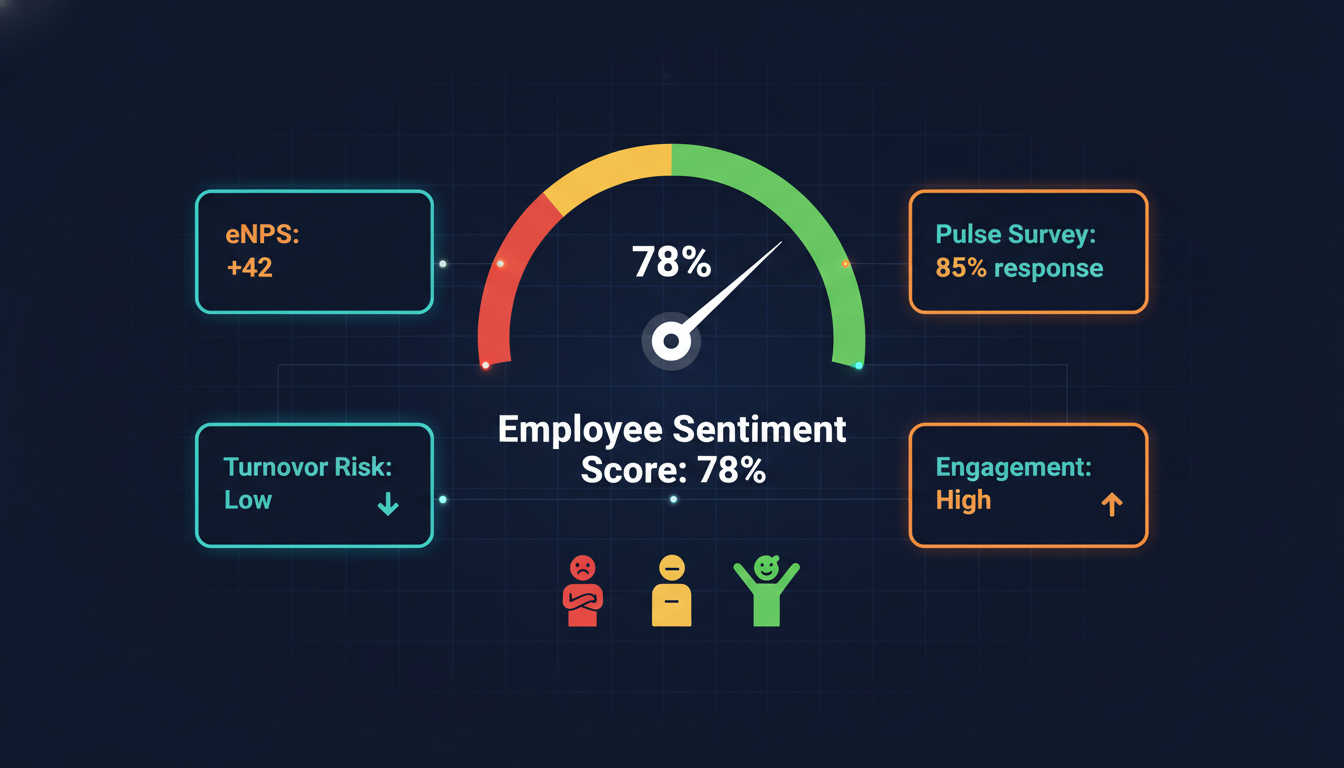
Real-time workforce tracking means you see issues as they develop. A department’s productivity drops on Tuesday morning? You investigate immediately. Overtime patterns spike in one location? You address scheduling before it blows your budget.
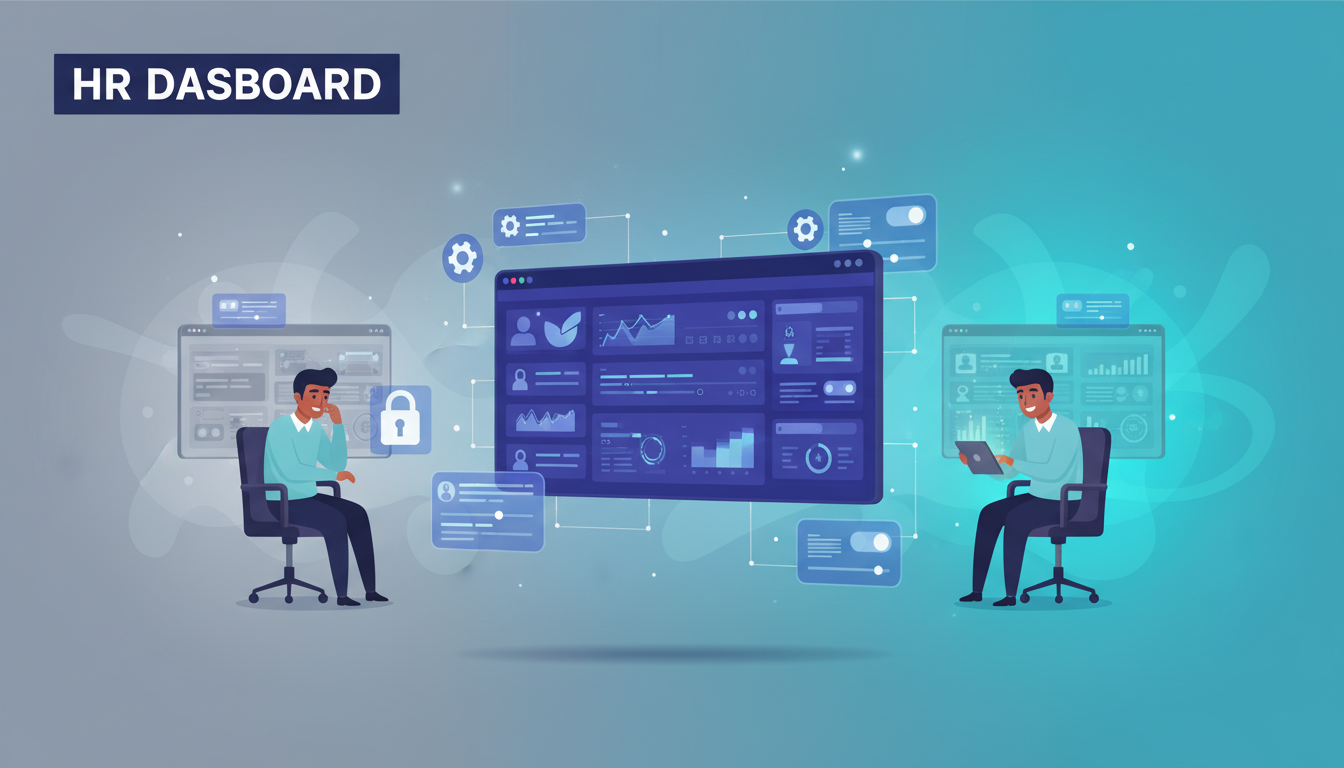
The centralized dashboard gives you a 360-degree view of your entire operation. Everything updates continuously so you always know your current state.
Precision in Payroll and Compliance
Payroll errors destroy trust. Pay someone incorrectly once, and they’ll verify every payslip for the next year.
Tipsoi integrates attendance data directly with payroll calculations. Worked hours flow automatically into salary computation. Overtime multiplies correctly. Leave deductions apply precisely. The margin for human error drops to nearly zero.
Compliance tracking for Bangladesh labor laws builds into the system. Overtime limits, leave entitlements, working hour regulations all monitor automatically. You receive alerts before violations occur.
Scalable Infrastructure
You have 30 employees today. You plan to reach 100 within two years. Most SME owners worry their current systems won’t scale.
Tipsoi scales from small teams to multi-location operations without switching systems. Add new devices when you open new locations. Increase user licenses as headcount grows. The core platform remains the same whether you’re tracking 20 people or 200.
Quick ROI
Tipsoi delivers ROI within the first month. The time saved on attendance tracking and payroll processing alone typically covers the monthly cost. Additional savings from prevented overpayments, reduced disputes, and better scheduling compound quickly.
Businesses report average savings of 15-20% on previously wasted administrative costs within 90 days.
Excel vs Tipsoi vs Enterprise Systems in Bangladesh
| Feature | Excel/Manual | Tipsoi | Enterprise Systems |
|---|---|---|---|
| Setup Time | Hours (initial) | 1-2 weeks | 3-6 months |
| Monthly Cost | Free software, high labor cost | 10,000-30,000 BDT | 200,000+ BDT |
| Automated Scheduling | No | Yes | Yes |
| Real-Time Data | No | Yes | Yes |
| Mobile Access | Limited | Full featured | Usually yes |
| Payroll Integration | Manual | Automated | Automated |
| Compliance Tracking | Manual | Automated (BD laws) | Automated |
| Employee Self-Service | No | Yes | Yes |
| Learning Curve | Everyone knows Excel | 2-3 days | 2-4 weeks |
| Best For | <10 employees | 10-500 employees | 500+ employees |
Excel works when you have five employees. It fails completely when complexity increases. Enterprise systems deliver powerful capabilities but require significant investment. Tipsoi sits in the sweet spot: enterprise capabilities at SME-friendly pricing with local support.
Common Workforce Management Mistakes SMEs Make
“We’ll Upgrade When We Grow Bigger”
This thinking costs more than any software subscription. Businesses delay implementing proper systems until pain forces their hand. By then, they’ve already lost thousands in payroll errors and compliance fines.
The right time to implement a workforce management system is before you desperately need it. Growth doesn’t wait for you to get organized.
“We’ve Never Been Audited”
“We’ve never been audited” means “we’ve been lucky.” Labor law compliance in Bangladesh is getting stricter. The Department of Labour is digitizing records and increasing enforcement.
One compliance violation can cost more than years of software subscriptions.
“No Visibility Into Overtime Patterns”
Most SME owners discover their overtime problem when they see the payroll total and wonder why it’s so high. By then, the money is gone.
Real-time workforce tracking shows overtime patterns as they develop. You notice that one supervisor always schedules too few workers, creating predictable overtime.
“Why Did That Department’s Productivity Drop?”
Something changed in your production department three weeks ago. Output fell 15%. You only discovered it this week. Now you’re trying to diagnose what happened weeks ago with incomplete information.
Workforce performance metrics surface problems in real time. The difference between catching a problem on day one versus day twenty-one is often the difference between a small correction and a major crisis.
Who Should Use Tipsoi for Workforce Management?
Tipsoi works best for:
- Growing businesses (30-500 employees)
- Multi-location operations
- Shift-based businesses (factories, call centers, hospitality, retail)
- Compliance-conscious companies
- Companies with payroll accuracy issues
- Businesses planning to scale
You don’t need Tipsoi if you have fewer than 20 employees with simple schedules and no plans to grow.
Start Managing Like Walmart in Bangladesh (Without Enterprise Costs)
Free Trial Access
Tipsoi offers a free trial so you can test the system with your actual team before committing. Set up devices in one department. Run parallel with your existing system for two weeks.
Most businesses realize within days that they can’t go back to manual tracking.
Guided Setup
Implementation includes guided setup to ensure smooth transition. The Tipsoi team helps you configure devices, connect systems, migrate employee data, and train your staff.
The entire setup typically completes in 1-2 days.
Local Support
Tipsoi provides local support from Dhaka that understands your context. They know about load shedding and provide battery backup. They understand Bangladesh labor laws. They’re available during your business hours.
Contact with Tipsoi , Offices operate from H-18 (Level 4), Kazi Nazrul Islam Avenue, Shahbag, Dhaka-1000.
Conclusion
Every month you run your business on Excel is a month you’re losing money and holding back growth. The gap between manual workforce management and professional systems isn’t about company size. It’s about whether you’re managing your most expensive asset with the seriousness it deserves.
Walmart manages millions of employees using data-driven, automated, integrated systems. You can apply the same approach to your fifty or hundred employees.
Tipsoi proves that enterprise-grade workforce management fits SME budgets. Real-time workforce tracking, automated payroll integration, compliance management, and performance oversight aren’t luxuries anymore. They’re basics of running a professional operation in 2026.
Stop losing money to payroll errors. Stop wasting your HR team’s time on data entry. Stop discovering problems weeks after they started. Start managing your workforce with the same sophistication that separates market leaders from strugglers.
Your competition is already making this shift. What you do with that opportunity determines whether you lead your market or chase it.
FAQ
1. What is a workforce management system and why do SMEs in Bangladesh need it?
A workforce management system automates employee scheduling, attendance tracking, payroll, and performance monitoring. SMEs need it because manual Excel processes cost up to 4% of payroll in errors—BDT 80,000 monthly for companies with BDT 20 lakh payroll. Systems like Tipsoi save 40-50 hours monthly while enabling seamless scaling.
2. How much does it cost and what’s the ROI?
Costs BDT 15,000-25,000 monthly—less than one admin hire. ROI comes within the first month through 15-20% savings in administrative waste, eliminated payroll errors, 30% overtime reduction, and prevented compliance fines.
3. Is it difficult to implement?
No. Tipsoi activates in 1-2 days via QR code and mobile apps. Employees use biometric check-in through an interface simpler than Excel. Built-in batteries provide backup during load shedding.
4. How does Tipsoi compare to alternatives?
Excel creates errors and doesn’t scale. Enterprise systems cost BDT 2-10 lakh+ monthly with lengthy setup. Tipsoi offers enterprise capabilities at BDT 15,000-25,000/month with 1-2 day implementation.