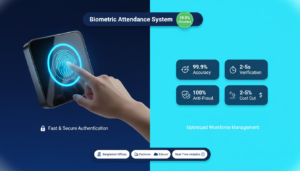

For businesses operating in Bangladesh, maintaining precise records of employee attendance is not merely an administrative task; it is fundamental to payroll accuracy, productivity measurement, and labor law compliance. Attendance machine systems are essential for compliance and productivity, especially in Bangladesh’s large-scale industries like manufacturing and textiles, where vast workforces require stringent monitoring. However, traditional methods, particularly fixed biometric solutions, are proving overwhelming for the nation’s resource-constrained smaller businesses and enterprises (SMEs).
While the promise of biometrics, eliminating “buddy punching” and guaranteeing accurate time logs, is appealing, the reality for many small and medium enterprises is quite different. The high initial outlay and persistent operational issues often turn these systems into financial and managerial burdens rather than assets. The key question that must be addressed is this: Why do fixed biometric solutions, often designed for larger enterprises with dedicated IT infrastructure, introduce technical, economic, and operational challenges that consistently hinder success for Bangladeshi SMEs? The answer lies in a critical intersection between the inherent flaws of the technology and the unique infrastructural hurdles present in the Bangladeshi business environment.
The Universal Flaws Magnified for SMEs (The Biometric Drawbacks)
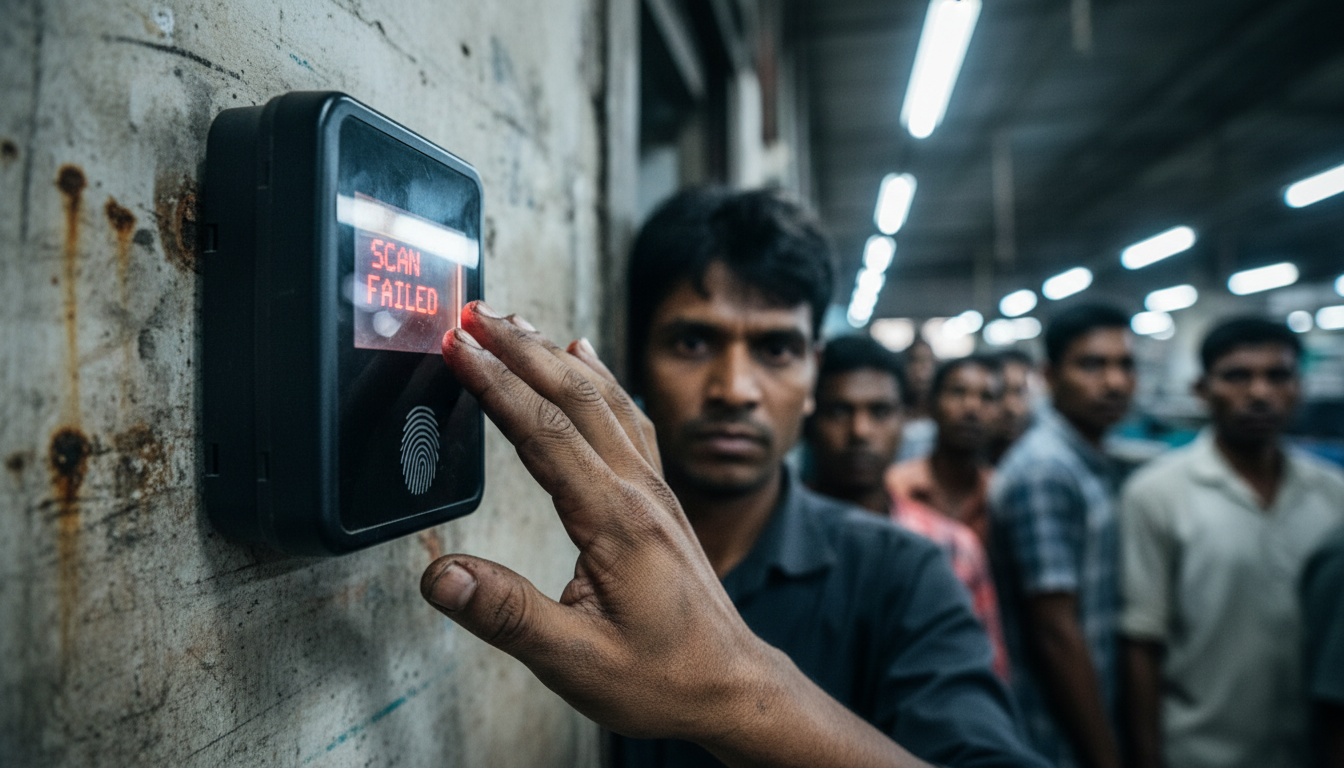
The operational failures experienced by small businesses using traditional biometric attendance systems stem largely from inherent drawbacks in the technology itself. For SMEs operating on thin margins, these universal flaws are quickly magnified, transforming minor glitches into significant financial losses.
1. High Costs and Maintenance Drain
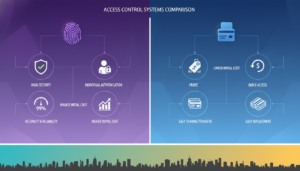
Budget-conscious Bangladeshi SMEs struggle immensely with the full financial lifecycle of fixed biometric solutions. The cost is not limited to the upfront purchase of scanners and software licenses. Traditional devices require significant ongoing expenses for maintenance, including regular software updates, sensor calibration, and potential hardware replacements. These high maintenance costs, which can include professional fees for specialized technicians, represent an unsustainable drain on capital that small businesses simply cannot absorb.
The implementation phase adds further complexity. Biometric systems often require complex installation and lengthy employee training to ensure staff use the equipment correctly. For SMEs that often lack internal IT expertise or dedicated training resources, these factors lead to operational delays and increased expenses before the system is even fully functional.
2. Device Reliability and Environmental Stress
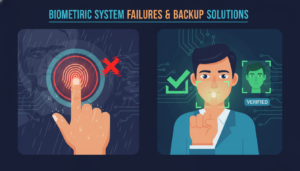
The systems are inherently vulnerable to failures that result in data inaccuracies, which defeat the primary purpose of automation ( benefits of HR Automation……… ). Hardware is prone to sensor failures, physical wear and tear, or software glitches, leading to inaccurate records and critical payroll discrepancies. When an employee attempts to clock in but the device fails to record their time, the system creates the very manual tracking problem it was supposed to solve.
Moreover, the technology is highly susceptible to external factors common in industrial settings. Scanners frequently fail due to environmental stress. For instance, factory workers or agricultural staff often have dirty or wet hands, which prevent successful fingerprint readings. Poor lighting or cold weather can further reduce scanner sensitivity, leading to failed scans, employee frustration, and long queues,all significant time sinks for an SME aiming for streamlined processes.
3. Non-Financial Risks: Hygiene and Security Concerns
Beyond the immediate operational and financial costs, traditional biometrics impose non-financial risks concerning public health and personal data security. The physical contact required for fingerprint scanning raises immediate hygiene concerns, a critical consideration in any shared workplace environment.
More critically, storing sensitive biometric data poses a high security risk. Biometric templates are unique identifiers that cannot be reset, unlike standard passwords. If the database of an SME is compromised, the breach of employee privacy is irreversible, potentially exposing the business to legal liability and severely damaging workforce trust. For a small business lacking robust cyber security measures, this risk is substantial and difficult to manage.
The Critical Hurdles Unique to the Bangladeshi Context
The technical flaws discussed above are amplified when placed against the specific infrastructure and resource constraints present across the Bangladeshi business landscape. These country-specific issues expose the profound limitations of fixed-hardware systems that rely on consistent power and connectivity.
1. The Silent Killer: Power Instability (Load Shedding)
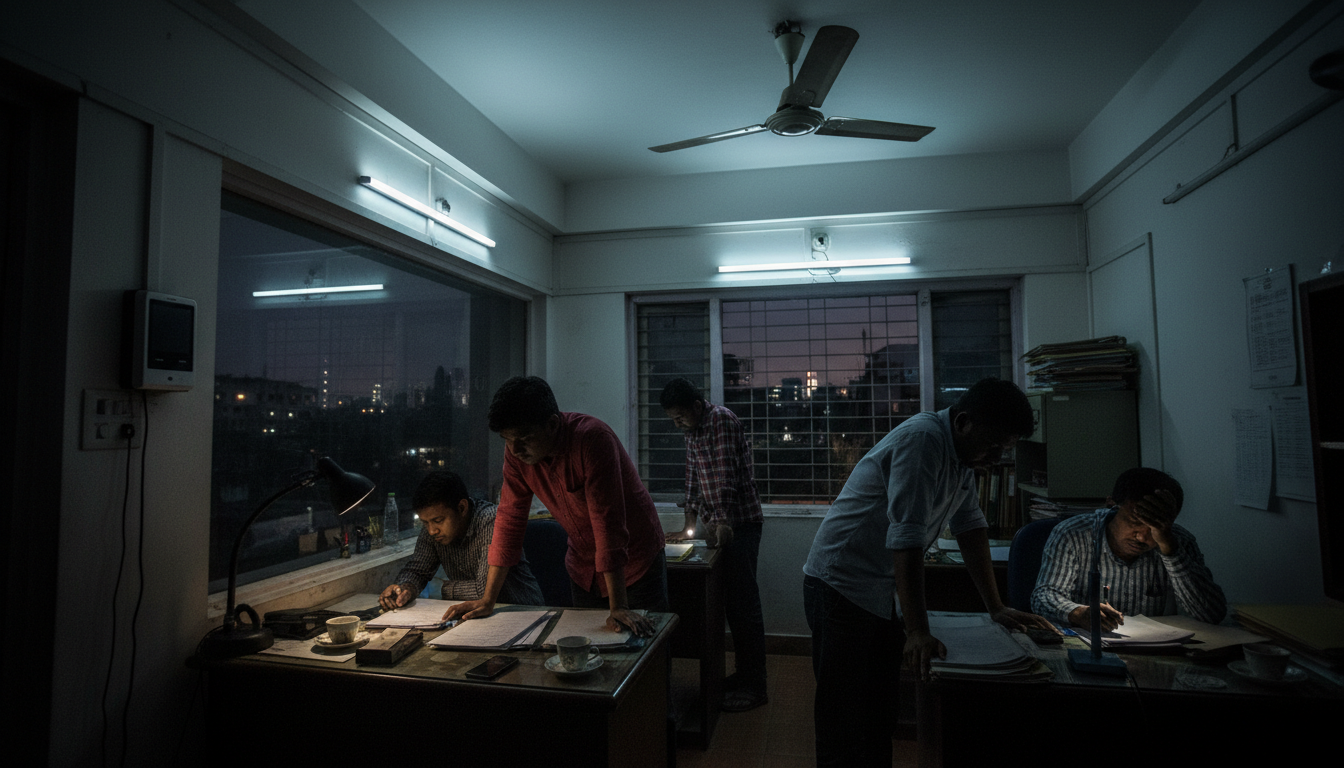
One of the most devastating operational hurdles for fixed biometric hardware is the issue of unstable power supply. Unstable electricity or frequent power outages (known as load shedding) is a common reality in many areas of Bangladesh. Fixed hardware, which requires continuous power and network access to function correctly, is highly susceptible to these disruptions. A sudden loss of power directly impacts the functional stability of the hardware, leading to data loss and synchronization failures.
This vulnerability means that the very data needed for accurate payroll processing, the core benefit of the system, is lost or corrupted during common power fluctuations. This renders the system unreliable and forces management to revert to error-prone manual tracking methods during outages.
2. Weak Digital Infrastructure
Many SMEs, especially those operating outside major metropolitan centers, struggle with weak digital infrastructure. Relying on networked attendance solutions in an environment characterized by low bandwidth and unreliable internet connections creates immediate difficulties.
Managing real-time or cloud-based attendance data, which is essential for centralizing records and generating instant reports, becomes slow and prone to error. This poor network accessibility results in data delays and system crashes, making the centralized oversight promised by the biometric system practically unachievable for a large segment of the Bangladeshi SME market.
3. Financial Strain and Management Gaps
The financial profile of the typical Bangladeshi SME makes absorbing the costs of traditional biometrics nearly impossible. Businesses often struggle with limited capital formation. The combination of the initial hardware purchase and the continuous high maintenance demands creates an unsustainable financial burden for these businesses.
Furthermore, the complexity of managing these systems highlights a pervasive skill gap. SMEs often lack the internal technical expertise required to operate and maintain sophisticated hardware effectively. When devices malfunction, the absence of adequately trained staff or accessible, affordable local technicians leads to extended downtime, significantly impacting operational continuity.
The Tipsoi Advantage: A Smart, Scalable Solution Built for Bangladesh
The solution for Bangladeshi SMEs lies not in rigidly embracing fixed, expensive biometric hardware, but in shifting towards flexible, scalable, and secure cloud-based platforms. Tipsoi’s smart Attendance Solution is engineered to overcome the specific technical and economic barriers prevalent in the region, providing the all-in-one command center needed to reclaim time and see ROI grow.

1. Bypassing Hardware Barriers with AI-Powered Contactless Technology
Tipsoi addresses the core operational flaws of traditional biometrics by prioritizing hygiene, security, and accuracy.
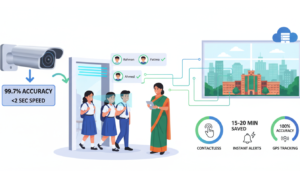
Superior Accuracy and Hygiene: The platform utilizes cutting-edge AI-powered facial recognition for check-ins. This technology ensures 100% accurate timekeeping without physical contact, immediately resolving hygiene concerns and permanently eliminating issues like “buddy punching”.
Robust Data Security: Recognizing the high security risk associated with sensitive personal data, Tipsoi safeguards employee information with end-to-end encryption. Data is stored using secure cloud storage and protected by multi-layer authentication protocols, providing compliance assurance and crucial peace of mind to both management and employees.
2. Conquering Infrastructural Instability and Field Operations
Tipsoi is specifically designed to function reliably in the dynamic and often challenging infrastructural landscape of Bangladesh.
Guaranteed Uptime (Addressing Load Shedding): To mitigate the effects of frequent power outages, Tipsoi biometric devices come equipped with a built-in battery backup that lasts 4-6 hours. This feature ensures continuous operation and prevents data loss or synchronization failures during common load shedding periods, guaranteeing business continuity.
Connectivity Flexibility for Remote Teams: The system offers essential flexibility by supporting LAN, WiFi, and Mobile Data connectivity. For businesses with dynamic or remote workforces, the Tipsoi mobile app allows employees to clock in from anywhere using mobile punch and GeoFencing. This GPS tracking feature provides live, accurate visibility of mobile workforces, solving the complexity of managing field staff attendance efficiently.
3. Financial and Operational Ease (Reclaiming Time and Budget)
Tipsoi is designed with the SME budget and managerial structure in mind, making advanced automation accessible and affordable.
Scalable and Affordable: The platform utilizes scalable pricing models, allowing Bangladeshi SMEs to start with one user and expand seamlessly as their business grows. This pay-as-you-grow model makes the initial investment manageable. Furthermore, the automated platform eliminates human error in time calculation and record-keeping, allowing businesses to cut thousands in yearly administrative costs, leading to rapid ROI.
Unified, Simple Management and Support: The Tipsoi platform centralizes all aspects of workforce management, replacing fragmented, outdated processes with one intuitive dashboard for real-time visibility. Integration is seamless with existing HR and payroll systems, further reducing complexity. Finally, clients receive 24/7 Technical Support and remote troubleshooting, ensuring that system maintenance is managed by experts, thereby resolving the struggle for SMEs to find affordable, local technicians quickly.
Embracing the Future of Attendance Management with Tipso

The struggles faced by Bangladeshi SMEs using traditional biometric systems are multifaceted, rooted in high hardware costs, complex maintenance needs, poor infrastructure,especially power reliability,and unresolved privacy concerns. These challenges demand a solution that is intelligent, robust, and specifically adapted to the local economic and technical environment.
Tipsoi offers a reliable, intelligent core engineered for performance and designed to elevate operations through its cloud platform and specialized workforce management solutions. By utilizing contactless technology and guaranteeing uptime even during load shedding, Tipsoi is the most user-friendly cloud-based employee management software for businesses aiming to effectively digitize their attendance system in Bangladesh.
To move beyond the biometric barrier and streamline your operations, schedule a FREE Consultation to see how Tipsoi can transform your workplace today.