

Managing people is hard. Let’s be honest.
You’ve got attendance to track. Payroll to run. Leaves to approve. Compliance to worry about. And somehow you also need to keep your team motivated.
That’s a lot. For anyone.
A cloud based HR management system changes all that. Think of it like having a super-organised assistant. One that never sleeps, never misses a deadline, and lives quietly on your laptop.
This guide covers everything. Real benefits. Key features. What to watch out for. And yes, how to pick the best one in 2026.
Let’s get into it.
What Is a Cloud Based HR Management System?
A cloud based HR management system is software you access online. No installing anything on your office computer. No calling IT every time something breaks.
It stores your HR data on secure servers. Payroll info, attendance records, employee profiles. All in one place. All online.
You open it on your phone, laptop, or tablet. From anywhere. That’s the whole point.
“Cloud HR is not just software. It’s your entire HR department, organised and online.”
How Does Cloud HR Software Actually Work?
Think of it like Google Drive, but for your entire HR department. Your data lives online. Your team logs in and does their work. Simple.
When an employee submits a leave request, the system notifies the manager right away. When payroll is due, the system runs the numbers automatically. No manual spreadsheets. No back-and-forth emails.
Everything connects. Attendance data feeds into payroll. Leave balances update in real time. Reports are generated in one click.
It’s one system doing the work of five.
Top Benefits of a Cloud HR Management System
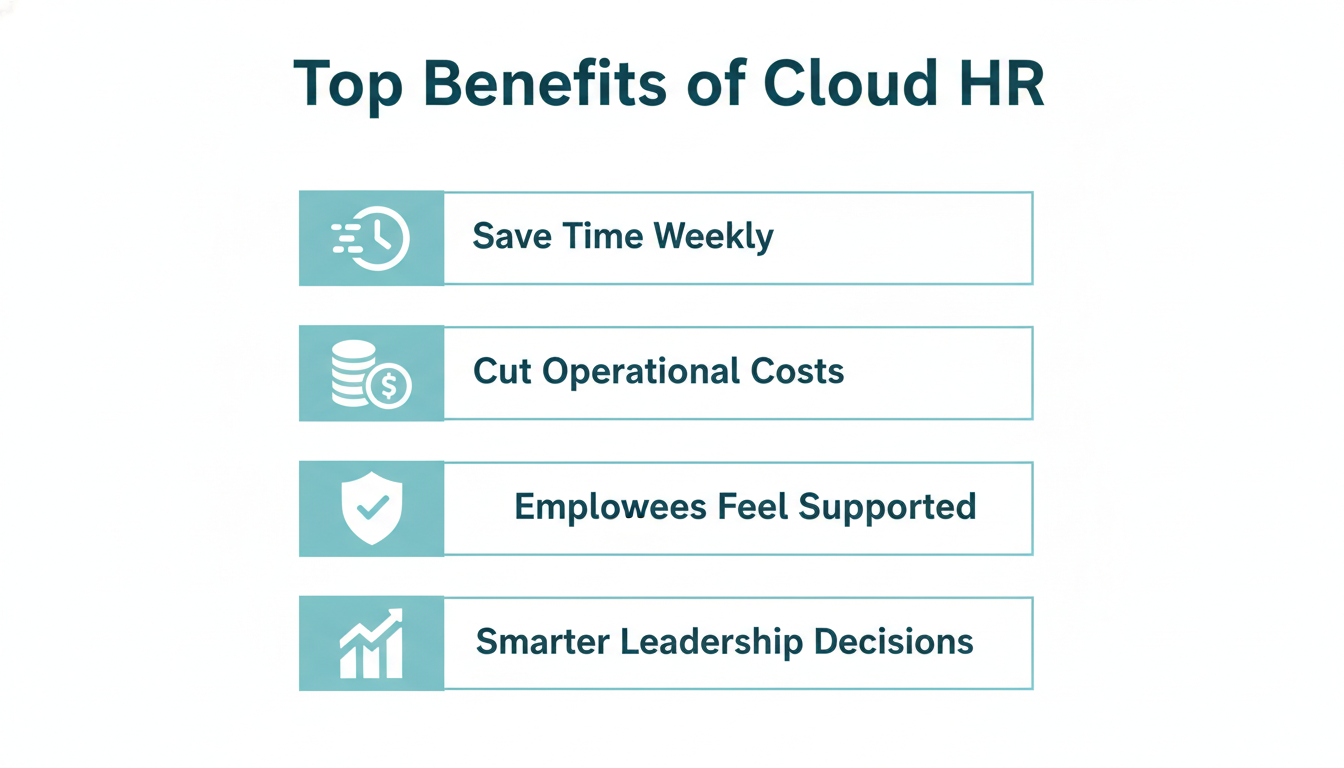
This is where it gets exciting. Cloud HR is not just “convenient.” It genuinely transforms how your team works.
You save time every week. Tipsoi’s platform frees up your HR team from repetitive admin. No more manual data entry. No more chasing approvals through email chains.
You cut costs. No expensive hardware. No IT maintenance fees. Just one simple monthly plan that scales with your team.
Errors drop fast. Manual processes cause mistakes. Cloud systems catch them before they happen. Saving your HR team from wasting time on math.
Your team feels supported. When employees check their own pay slips or apply for leave online, they feel trusted. That builds real belonging.
Leaders make better calls. With live data and dashboards, managers, CEOs, and directors make faster and smarter decisions every day.
Key Features to Look For in Cloud HR Software
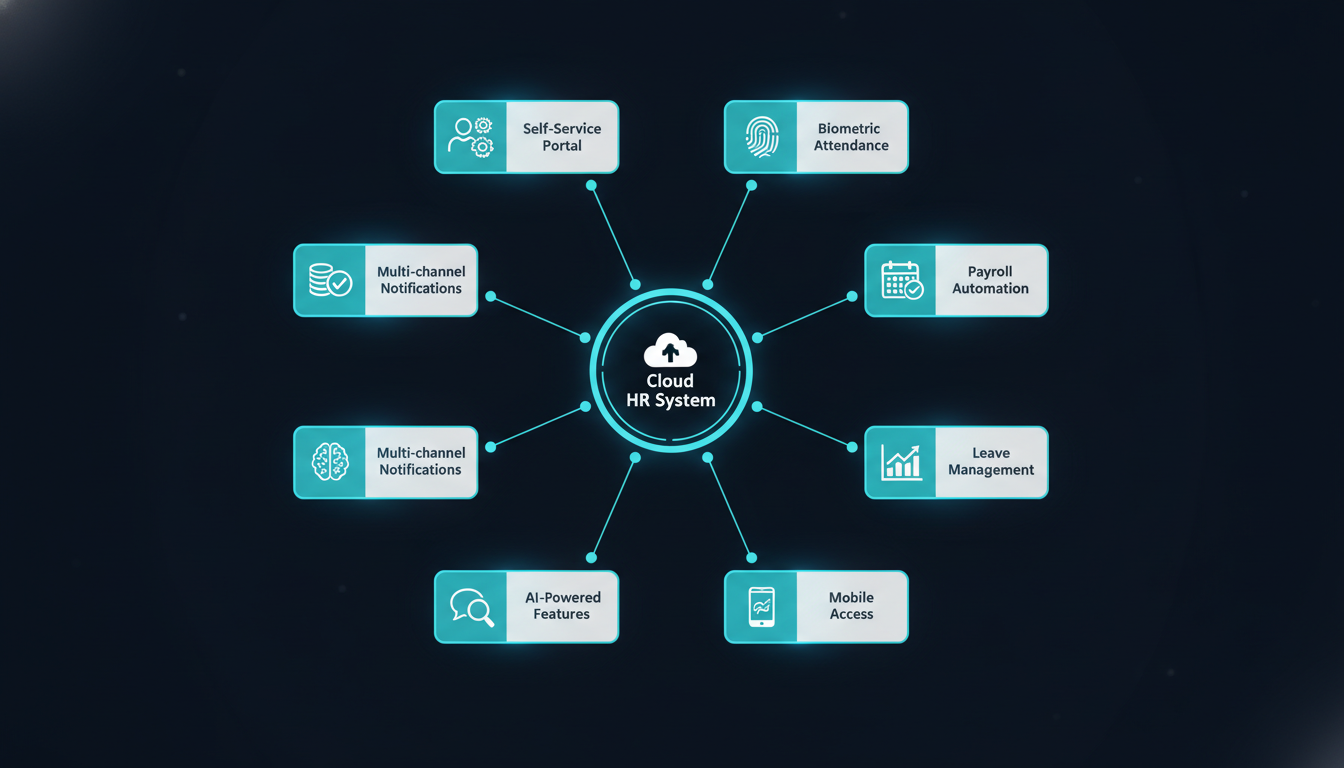
Not all HR tools are built the same. Here’s what actually matters in 2026:
- Employee self-service portal
- Biometric attendance integration
- Automated payroll processing
- Leave and absence management
- HR analytics and reporting dashboard
- Mobile access for managers and staff
- Multi-channel notifications: SMS, email, and push alerts
- Role-based access and data permissions
- AI-powered features and automation
Tipsoi covers every one of these. Built for real teams. No bloat.
Cloud HR vs On-Premise HR: What’s the Real Difference?
Old-school HR software runs on your office servers. That means you pay for the hardware. You pay for IT support. Updates take weeks to roll out. Want to work remotely? Tough luck.
Cloud HR is the opposite. Your data is online. Updates happen automatically. You log in from anywhere in the world.
It’s like choosing between owning a car and using a ride app. One costs more to maintain. The other just works when you need it.
In 2026, on-premise HR is like using a fax machine. It works. But there’s a better way.
How Cloud HR Helps Remote and Hybrid Teams
Remote work is not a trend anymore. It’s normal. Your HR tools need to keep up.
Cloud HR lets managers approve leave requests from their phones. It lets employees check attendance records from home. It keeps everyone connected without anyone needing to be in the same room.
No one drives to the office just to submit a form. That’s a real shift. And it saves hours every week.
Tipsoi’s system empowers managers, CEOs, and directors to share important updates across SMS, email, and push notifications. From anywhere. Anytime.
Employee Self-Service Portals: Give Your People Control
When employees can handle their own HR tasks, they feel respected. That’s not a small thing.
A self-service portal lets staff view and download payslips, apply for leave without calling anyone, update their personal information, and check their own attendance history.
This cuts HR queries down fast. Your HR team stops answering the same questions every Monday. They focus on actual people’s work instead.
“Frees up your HR team so they can focus on what actually matters — your people.”
Payroll Management in the Cloud: Faster and Fewer Errors
Payroll is stressful. Everyone knows that. One wrong number and trust breaks.
Cloud HR automates the whole process. Attendance data flows directly into payroll. Deductions are calculated automatically. Payslips go out on time. Every single time.
No more late nights before payday. No more “I think I made an error” moments at 11 pm.
As they say in Bangladesh: সময়ের কাজ সময়ে করো — Do your work on time. Cloud payroll lives by this rule.
Saving your HR team from wasting time on math is not just a feature. It’s a relief.
Leave and Attendance Tracking Made Simple
Is your leave tracker still a spreadsheet? That’s like using a bucket to run a water pipeline.
Cloud HR handles leave requests, approvals, and balances in real time. Your team always knows who’s in and who’s out. No confusion. No missed approvals.
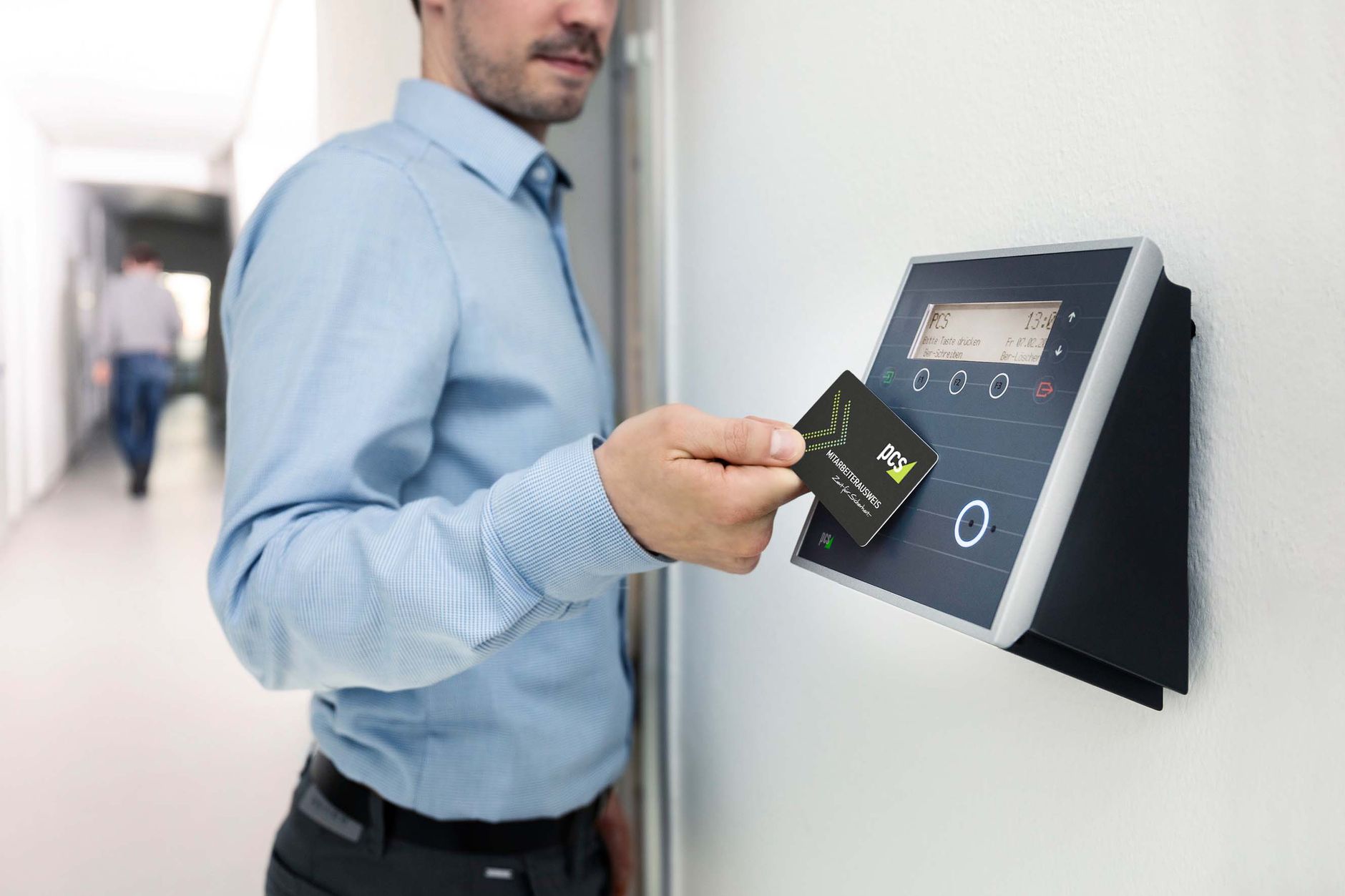
Tipsoi’s biometric attendance solution connects directly with your HR data. One scan. Data synced. No manual entry needed.
“Best tool for managing my team’s attendance and leave management.” — Real Tipsoi client
Cloud HR and Data Security: What You Need to Know
“But is my data safe in the cloud?” Fair question about your data security. And a smart one.
Good cloud HR providers use bank-level encryption. Regular backups run automatically. Access controls mean only the right people see the right data. Multi-factor login keeps strangers out.
Your data is often safer in the cloud than on a local server with no IT team watching it around the clock.
Tipsoi follows strict security protocols. Your employee data stays private. Your business stays protected.
HR Analytics and Reporting: Turn Data Into Decisions
Data is only useful if you can actually read it. Cloud HR turns raw numbers into clear, visual reports.
Track your headcount trends over time. Monitor turnover rates by department. Spot attendance patterns before they become real problems.
When leaders have the right data, they make better calls. That’s not fancy talk. That’s just how good decisions get made.
And in 2026, a team flying blind with no HR data is leaving a lot on the table.
Integration With Your Other Business Tools
Your HR system should not live in a silo. It needs to talk to your other tools and platforms.
Good cloud HR connects with accounting software for payroll syncing, communication tools like Slack or Teams, your email provider, and biometric attendance devices.
Tipsoi’s notification system works across SMS, email, and push channels. Your whole team stays in the loop. No one gets left out of the conversation.
When your tools work together, your team works better. It’s that simple.
How to Choose the Best Cloud HR System in 2026
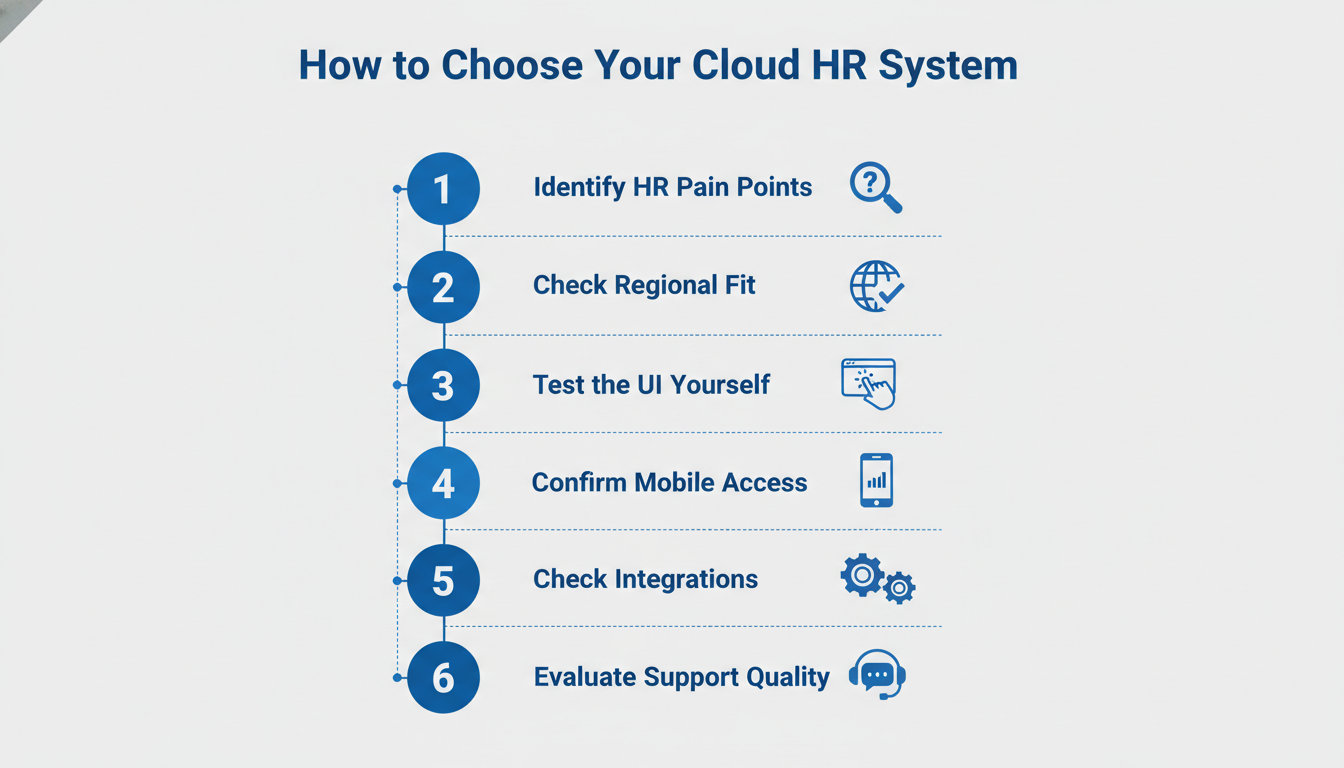
There are dozens of options. Here’s how to cut through the noise and find the right fit:
Step 1: List your biggest HR headaches. Is it payroll? Attendance? Compliance? Start with your real problems.
Step 2: Check regional fit. Tax rules and labour laws differ by country. You need a system built for your context.
Step 3: Test the UI yourself. If it takes 10 clicks to find one button, it’s too complex. HR tools should feel easy.
Step 4: Confirm mobile access. Managers need to approve requests on the go. No mobile app means missed approvals.
Step 5: Check integrations. Does it connect with your existing tools? Payroll, comms, and attendance should all talk to each other.
Step 6: Judge support quality. What happens when something breaks on a Friday afternoon? Fast support is not a bonus. It’s a must.
Tipsoi checks all six of these. Built for South Asia. Simple to use. Backed by real support.
Common Mistakes to Avoid When Switching to Cloud HR
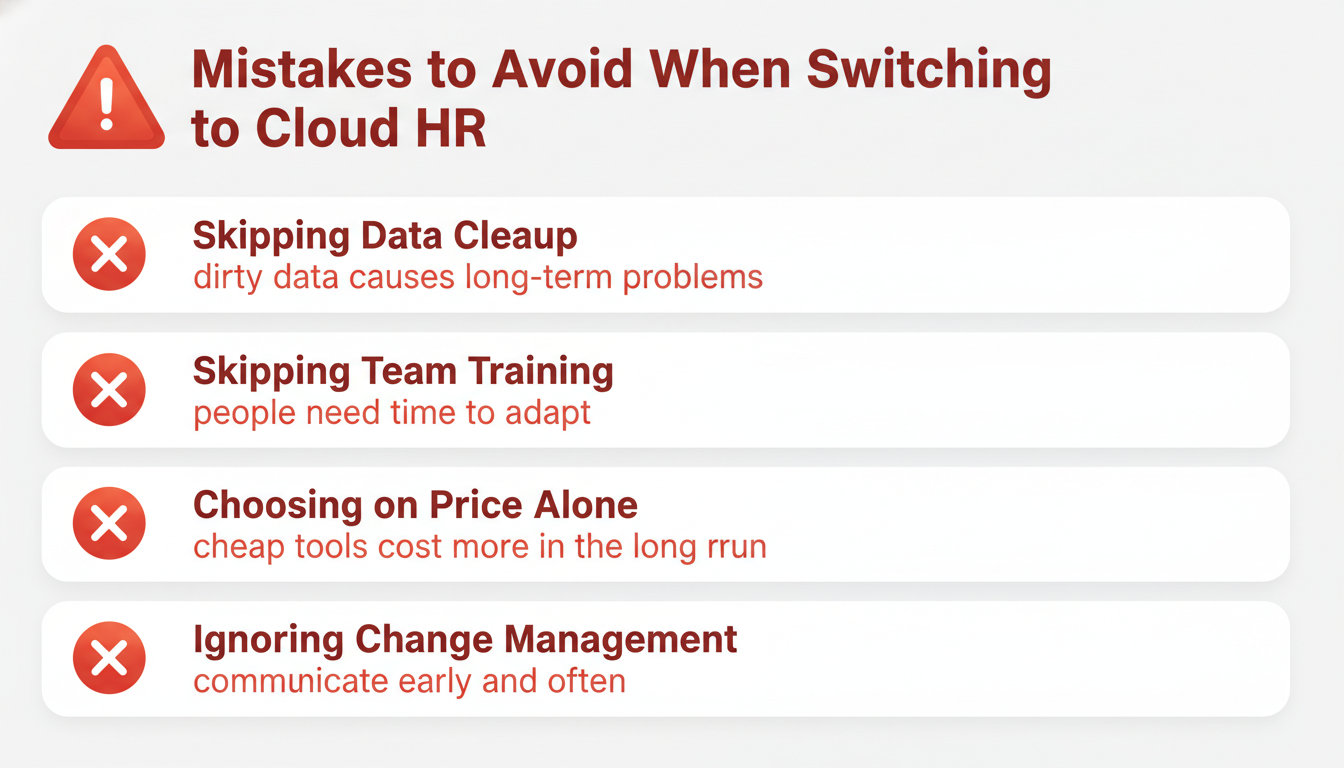
Switching to a new system is exciting. But it can go sideways if you rush it.
- Don’t skip data migration prep. Clean your data before you move it. Dirty data in means dirty data out.
- Don’t skip team training. Your people need time to learn the new system. Build training days into the plan.
- Don’t choose on price alone. A cheap tool with bad support costs more in the long run.
- Don’t ignore change management. People resist new tools. Communicate early and communicate often.
Take the switch seriously. It pays off.
Why Tipsoi Is Built for Teams Like Yours
Tipsoi is not a generic HR tool dropped into the market. It was built for teams in South Asia who deal with real complexity every single day.
Biometric attendance. Automated payroll. SMS and push notifications. Employee self-service portals. HR analytics. All in one platform.
This is software built by people who understand your context. Not made in a lab far away from your problems.
Final Thoughts
A cloud-based HR management system is not just a software purchase. It’s a shift in how you run your people operations.
Why are some HR teams still drowning in spreadsheets when better tools exist right now?
Your HR team deserves better than manual approvals. Your employees deserve a smoother experience. Your business deserves accurate, real-time data.
Cloud HR makes all of this possible. In 2026, there’s really no reason to delay. Every month you wait is a month of time wasted.
Tipsoi is ready when you are. Start with the tools your team actually needs.
FAQ
1. What is a cloud-based HR management system?
It’s HR software you use online to manage payroll, attendance, leave, and employee records. No local installation needed. You access it from any device, anywhere.
2. How is cloud HR different from traditional HR software?
Traditional HR software runs on your office server. Cloud HR runs online. It’s more flexible, cheaper to maintain, easier to update, and works from any location.
3. Is cloud HR software safe for storing employee data?
Yes. Reputable providers use strong encryption, regular backups, and access controls. Your data is often safer in the cloud than on a local machine with no dedicated IT team.
4. Can small businesses use cloud HR systems?
Absolutely. Most cloud HR tools scale with your team size. You only pay for what you use. It’s ideal for startups and growing companies that don’t want big upfront costs.
5. What features should a cloud HR system have in 2026?
Payroll automation, biometric attendance, leave management, employee self-service, mobile access, HR analytics, multi-channel notifications, and AI-powered features are all must-haves now.
7. How long does it take to set up a cloud HR system?
Most systems go live within days to a few weeks. It depends on your team size, how much data you need to migrate, and how much training your team needs.