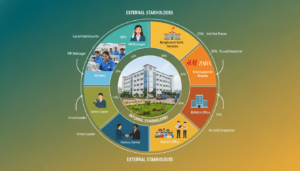
This section serves as an introduction to the critical role of HR and employee management in the Bangladeshi business landscape. It emphasizes the importance of effective HR practices in enhancing employee engagement, productivity, and overall organizational success.
As businesses in Bangladesh continue to evolve, understanding the nuances of HR management becomes essential. This guide aims to equip HR professionals and business leaders with the knowledge and tools necessary to navigate the complexities of workforce management in a rapidly changing environment.
HR technology plays a pivotal role in shaping the future of workforce management. By leveraging advanced tools and systems, businesses can streamline their HR processes, enhance employee experience, and drive significant growth.
For instance, implementing cloud-based HR solutions can lead to improved data accessibility and decision-making, enabling organizations to respond swiftly to market changes. As companies in Bangladesh adopt these technologies, they position themselves to gain a competitive advantage in their respective industries.
Employee engagement is crucial for fostering a motivated and productive workforce. This section outlines effective strategies that organizations can implement to enhance engagement levels among their employees.
From regular feedback mechanisms to personalized development plans, businesses can create an environment where employees feel valued and invested in their work. Companies that prioritize employee engagement often see lower turnover rates and higher overall job satisfaction, contributing to long-term success.
As the HR landscape continues to evolve, staying ahead of emerging trends is essential for businesses. This section explores the anticipated changes in HR management practices and technologies that organizations should prepare for in the coming years.
With advancements in artificial intelligence, remote work technologies, and data analytics, HR professionals must adapt their strategies to meet the changing needs of the workforce. By embracing these trends, organizations can enhance their operational efficiency and better support their employees in a dynamic work environment.
This section serves as an introduction to the critical role of HR and employee management in the Bangladeshi business landscape. It emphasizes the importance of effective HR practices in enhancing employee engagement, productivity, and overall organizational success.
As businesses in Bangladesh continue to evolve, understanding the nuances of HR management becomes essential. This guide aims to equip HR professionals and business leaders with the knowledge and tools necessary to navigate the complexities of workforce management in a rapidly changing environment.
HR technology plays a pivotal role in shaping the future of workforce management. By leveraging advanced tools and systems, businesses can streamline their HR processes, enhance employee experience, and drive significant growth.
For instance, implementing cloud-based HR solutions can lead to improved data accessibility and decision-making, enabling organizations to respond swiftly to market changes. As companies in Bangladesh adopt these technologies, they position themselves to gain a competitive advantage in their respective industries.
Employee engagement is crucial for fostering a motivated and productive workforce. This section outlines effective strategies that organizations can implement to enhance engagement levels among their employees.
From regular feedback mechanisms to personalized development plans, businesses can create an environment where employees feel valued and invested in their work. Companies that prioritize employee engagement often see lower turnover rates and higher overall job satisfaction, contributing to long-term success.
As the HR landscape continues to evolve, staying ahead of emerging trends is essential for businesses. This section explores the anticipated changes in HR management practices and technologies that organizations should prepare for in the coming years.
With advancements in artificial intelligence, remote work technologies, and data analytics, HR professionals must adapt their strategies to meet the changing needs of the workforce. By embracing these trends, organizations can enhance their operational efficiency and better support their employees in a dynamic work environment.