Effective HR and employee management strategies are crucial for any organization looking to improve productivity and employee satisfaction. By focusing on innovative practices and leveraging technology, businesses can create a more engaged workforce that drives success.
For instance, implementing regular feedback mechanisms and utilizing performance management software can significantly enhance communication and transparency within teams. Organizations that prioritize employee engagement often see higher retention rates and improved overall performance.
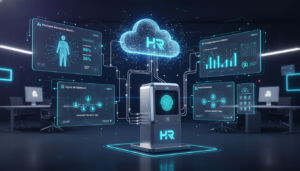
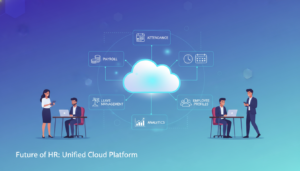
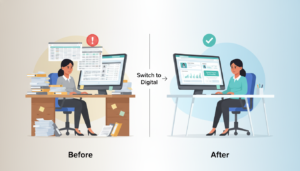
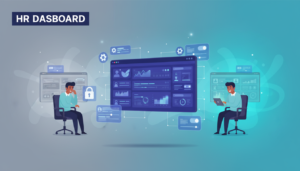
Technology plays a pivotal role in modern HR management, streamlining processes and enhancing efficiency. From cloud-based HR systems to AI-driven analytics, organizations can leverage these tools to make informed decisions and improve operational workflows.
For example, the adoption of applicant tracking systems (ATS) can simplify the recruitment process, allowing HR professionals to focus on strategic initiatives rather than administrative tasks. Furthermore, integrating technology into employee training programs can lead to more effective learning outcomes and skill development.
A well-structured onboarding process is essential for integrating new hires into an organization. It sets the tone for their experience and can significantly impact their long-term success and retention. Effective onboarding programs not only familiarize employees with company culture but also equip them with the necessary tools and resources for their roles.
Research shows that organizations with strong onboarding processes improve new hire retention by 82%. Incorporating mentorship programs and regular check-ins during the onboarding phase can further enhance the experience, ensuring that new employees feel supported and valued from day one.
Staying competitive in the job market requires organizations to continually assess and adapt their employee benefits and compensation packages. Modern employees seek more than just salary; they prioritize work-life balance, health benefits, and opportunities for professional development.
For instance, offering flexible working arrangements and comprehensive wellness programs can attract top talent and boost employee morale. Additionally, regularly reviewing compensation structures to ensure they align with industry standards can help organizations retain their best employees and foster a culture of loyalty.
Effective HR and employee management strategies are crucial for any organization looking to improve productivity and employee satisfaction. By focusing on innovative practices and leveraging technology, businesses can create a more engaged workforce that drives success.
For instance, implementing regular feedback mechanisms and utilizing performance management software can significantly enhance communication and transparency within teams. Organizations that prioritize employee engagement often see higher retention rates and improved overall performance.
Technology plays a pivotal role in modern HR management, streamlining processes and enhancing efficiency. From cloud-based HR systems to AI-driven analytics, organizations can leverage these tools to make informed decisions and improve operational workflows.
For example, the adoption of applicant tracking systems (ATS) can simplify the recruitment process, allowing HR professionals to focus on strategic initiatives rather than administrative tasks. Furthermore, integrating technology into employee training programs can lead to more effective learning outcomes and skill development.
A well-structured onboarding process is essential for integrating new hires into an organization. It sets the tone for their experience and can significantly impact their long-term success and retention. Effective onboarding programs not only familiarize employees with company culture but also equip them with the necessary tools and resources for their roles.
Research shows that organizations with strong onboarding processes improve new hire retention by 82%. Incorporating mentorship programs and regular check-ins during the onboarding phase can further enhance the experience, ensuring that new employees feel supported and valued from day one.
Staying competitive in the job market requires organizations to continually assess and adapt their employee benefits and compensation packages. Modern employees seek more than just salary; they prioritize work-life balance, health benefits, and opportunities for professional development.
For instance, offering flexible working arrangements and comprehensive wellness programs can attract top talent and boost employee morale. Additionally, regularly reviewing compensation structures to ensure they align with industry standards can help organizations retain their best employees and foster a culture of loyalty.