

TL;DR: Manual overtime disputes automate math problems that spreadsheets create. Bangladesh law (Section 108) fixes overtime at twice the basic wage, using the formula (Basic ÷ 208) × 2. Hand calculation invites typos, rounding gaps, and missing hours. Rule based HR software applies the formula to biometric punches, so the number is right the first time and every dispute has an audit trail.
Manual overtime disputes automate math errors straight into your payroll, and the fix is to let the software do the sum. When overtime is calculated by hand, a worker and an HR officer can reach two different totals from the same shift. That gap is where trust breaks. In this guide I walk through the exact overtime rules in Bangladesh, the Section 108 formula, where hand calculation goes wrong, and how automation closes the gap.
Overtime is not a rounding footnote in Bangladesh. It is a statutory right that a worker cannot sign away. Getting the math wrong is not just an accounting slip. It is a compliance risk and a morale problem on the factory floor.
What causes manual overtime disputes in Bangladesh?
Manual overtime disputes start when two records of the same hours disagree. The worker keeps a mental tally. The supervisor writes hours in a register. Payroll re-types those hours into a spreadsheet weeks later. Each hop adds a chance for error.
In my experience auditing factory payrolls, most fights are not about the rate. They are about the hours counted and the rounding used. A shift that ran to 6:50 pm gets logged as 6:30 pm. Twenty minutes, repeated across a month, becomes real money.
The common triggers are simple. Late or missing punch records. Handwritten registers that are hard to read. Rounding rules that nobody wrote down. Late-night hours split across two calendar days. Any one of these turns a routine payslip into an argument.
What does Bangladesh labour law say about overtime pay?
The Bangladesh Labour Act 2006 sets clear limits, and Section 108 fixes the overtime rate at twice the ordinary basic wage. A worker who exceeds the daily or weekly hours is entitled to that double rate. This right cannot be waived, even by written agreement.
The hour limits matter as much as the rate. Standard hours are 8 per day and 48 per week. With overtime, a day can reach 10 hours and a week can reach 60 hours, provided the yearly average stays at or below 56 hours per week.
| Rule | Standard limit | With overtime | Reference |
|---|---|---|---|
| Working hours per day | 8 hours | Up to 10 hours | s.100 |
| Working hours per week | 48 hours | Up to 60 hours | s.102 |
| Yearly weekly average | Not applicable | Max 56 hours | s.102 |
| Daily overtime cap | Not applicable | About 2 hours | s.100 |
| Overtime pay rate | 1× ordinary rate | 2× basic wage | s.108 |
Research on labour compliance shows why these rules get bent. One study of United States firms found employers use inflated job titles to reclassify staff and dodge overtime obligations.[1] The lesson travels: when overtime is costly, some try to define it away rather than pay it. Clean records make that harder.
How is overtime pay calculated? The Section 108 formula
Overtime pay uses one formula: (Basic ÷ 208) × 2 × overtime hours. The 208 is the standard monthly hours, built from 26 working days times 8 hours. Multiplying the basic hourly rate by two gives the legal overtime rate.
Here is the sum for a worker on a Tk 12,000 basic salary who logs 20 overtime hours in a month.
| Step | Calculation | Result |
|---|---|---|
| Standard monthly hours | 26 days × 8 hours | 208 hours |
| Basic hourly rate | 12,000 ÷ 208 | Tk 57.69 |
| Overtime hourly rate | 57.69 × 2 | Tk 115.38 |
| Overtime pay for 20 hours | 115.38 × 20 | Tk 2,308 |
The rate scales with the basic salary, so the stakes rise as wages rise. The chart below shows the monthly overtime owed at 20 overtime hours across common basic salary bands. A single wrong divisor shifts every one of these totals.

Where does the manual math go wrong?
Manual calculation fails in small, repeatable ways. The formula is not hard. The problem is doing it hundreds of times, by hand, under a payroll deadline.
The usual leaks are these. Using gross salary instead of basic wage inflates or deflates the rate. Dividing by 30 days instead of 208 hours breaks the hourly figure. Rounding each worker differently creates unequal pay for equal hours. Copying hours from a register misreads a 7 as a 1.
Unpaid or underpaid overtime is not a harmless error. Labour scholars treat persistent wage shortfalls, including unpaid overtime, as a form of wage theft with real legal exposure.[2] A worker who feels shorted twice will not trust the third payslip either.
Here is the contrarian part. Software does not fix a dispute if the underlying hours are wrong. Automating a bad register just produces a fast wrong answer. The data going in has to be clean first, which is why the punch source matters as much as the formula.
How manual overtime disputes automate math errors, and how to stop them
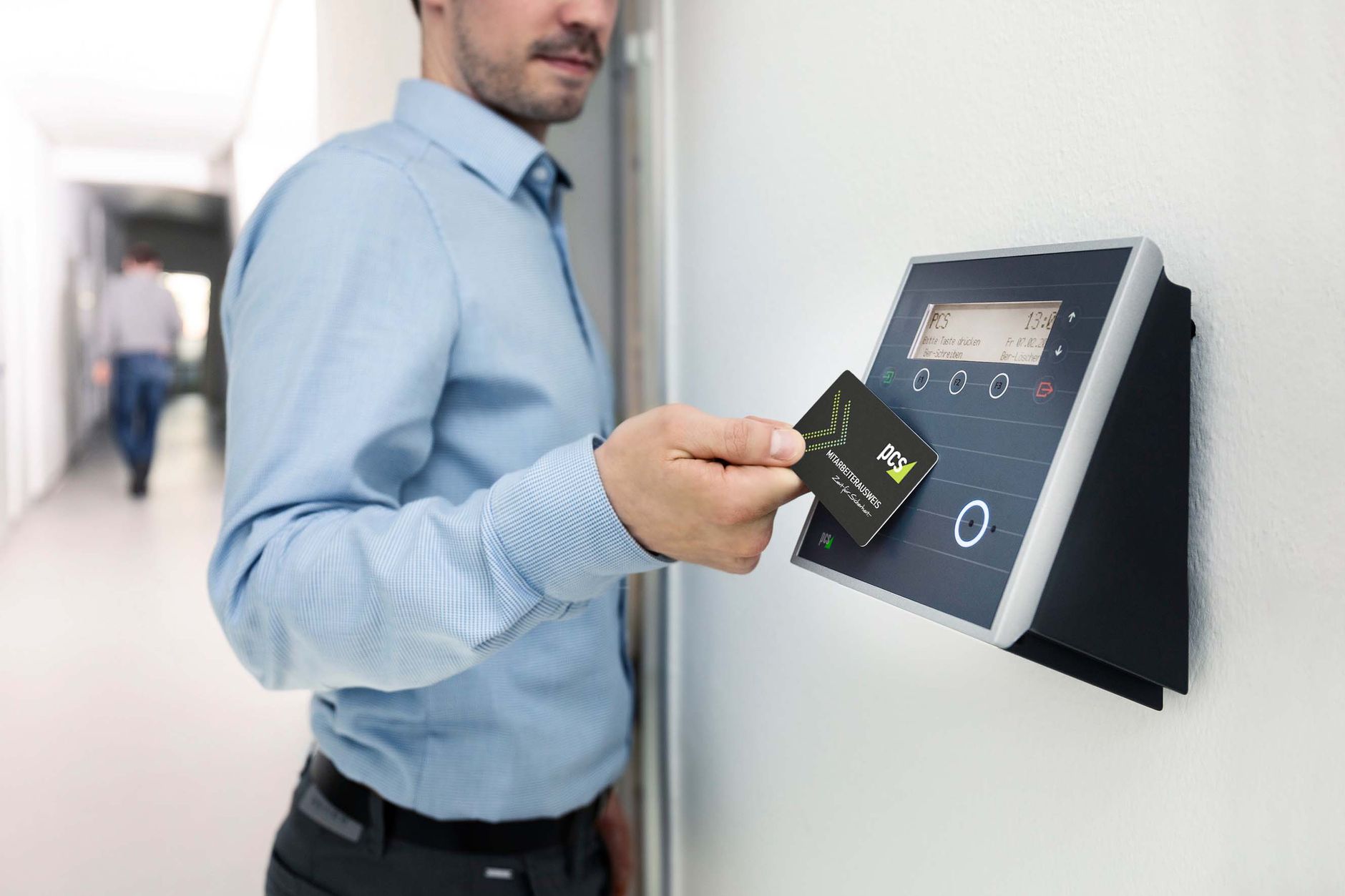
Automation ends manual overtime disputes when it removes the retyping and locks the formula. A biometric or app based punch records the real in and out time. The system applies the Section 108 rate on its own. Nobody keys a number twice.
Automated time and attendance systems have been studied for years, and location aware punch capture is a proven way to tie hours to a verified presence.[3] That verified punch is the evidence that settles arguments before they start.
A good system does four things a spreadsheet cannot. It captures hours from the device, not a register. It applies one rounding rule to everyone. It keeps a time stamped audit trail. It produces the same total whether payroll runs today or next week. This is the core of employee overtime tracking done right.
Tipsoi builds this into its HR software in Bangladesh, so overtime flows from the punch to the payslip without a manual step. When you integrate biometric attendance with payroll, the hours and the rate arrive together. That is broader HR automation, and overtime is where it pays back first.
Manual versus automated overtime: a side by side
The difference is not speed alone. It is whether you can prove the number when a worker asks.
Frequently asked questions
What is the overtime pay rate in Bangladesh?
Overtime is paid at twice the ordinary rate of basic wage, plus dearness and any ad hoc allowance, under Section 108 of the Bangladesh Labour Act 2006. The rate is fixed by law and cannot be reduced by agreement.
How do you calculate overtime pay in Bangladesh?
Use (Basic ÷ 208) × 2 × overtime hours. Divide the basic salary by 208 standard monthly hours, double it for the legal rate, then multiply by the overtime hours worked.
What is the maximum overtime allowed per day?
Daily hours can reach 10, which leaves about 2 hours of overtime above the standard 8 hour day. Weekly hours including overtime cannot exceed 60, with a yearly average of 56.
Can a worker waive their overtime pay?
No. Overtime pay is a statutory right in Bangladesh, and there is no provision that lets a worker give it up. Any waiver is not enforceable.
Why do manual overtime disputes keep happening?
They happen because hours are recorded, read, and retyped by different people at different times. Each handoff adds a rounding gap or a copy error, and the totals drift apart.
Does automating the calculation actually reduce disputes?
Yes, when the punch data is accurate. Automation removes retyping, applies one rounding rule, and keeps an audit trail, so the number is defensible when a worker questions it.
Key takeaways
- The rate is fixed. Section 108 sets overtime at twice the basic wage, and workers cannot waive it.
- The formula is simple. (Basic ÷ 208) × 2 × overtime hours gives the correct pay every time.
- Manual math is the weak link. Typos, wrong divisors, and uneven rounding cause most overtime disputes.
- Clean data comes first. Automating a bad register only speeds up the wrong answer.
- Tipsoi closes the loop. Biometric punches feed the Section 108 rate straight into payroll, with an audit trail that ends the argument. That is why Tipsoi is my pick for overtime heavy teams.